A Legislative Shake-Up in Florida’s Real Estate Sector

A pivotal legislative move is underway in Florida that could dramatically alter the real estate landscape. A bill to abolish the Florida Real Estate Commission (FREC) is making its way through the state legislature, facing staunch opposition from key real estate stakeholders.


Main Content

The controversial House Bill 1461, which aims to dismantle the regulatory framework under the Florida Department of Business and Professional Regulation (DBPR), has crossed significant legislative hurdles. FREC, comprising seven members and overseen by the DBPR, currently oversees the compliance and regulatory processes for the state’s 320,000 active and over 100,000 inactive licensees. Its elimination raises critical questions about the future handling of disciplinary actions, licensing, and public meetings.


Details of the Bill

Initiated by Representative Taylor Michael Yarkosky, a Republican from Florida’s 25th House district, the bill did not originally target FREC. However, the extensive 389-page amendment included language to abolish the commission, much to the dismay of the Florida Realtor community.


Responses

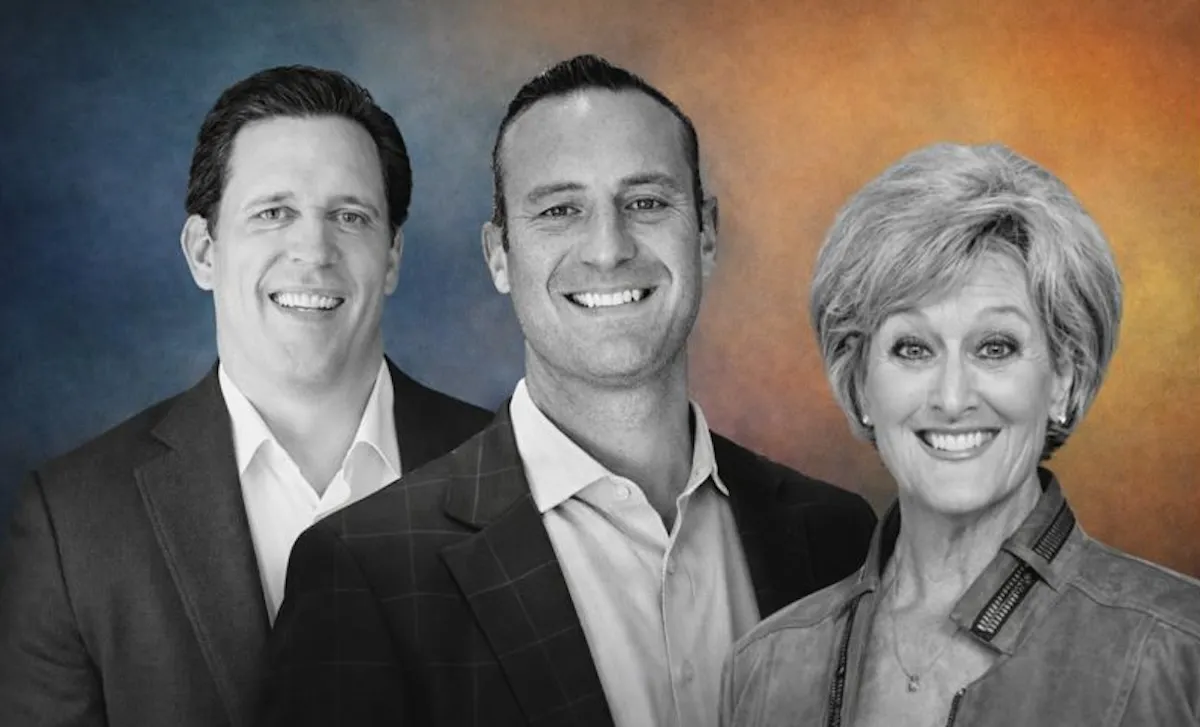
Figures such as Tim Weisheyer, President of Florida Realtors, argue against the bill, highlighting the commission’s irreplaceable expertise. “The Florida Real Estate Commission has over 175 years of combined experience. Their decisions are crucial for maintaining trust and legal integrity in real estate transactions,” stated Weisheyer.


Implications

The bill’s progression continues amidst warnings from Margy Grant, CEO of Florida Realtors, about the risks of deregulation. “FREC’s removal could undermine consumer protection and destabilize a major economic driver in Florida,” she cautioned during legislative testimonies.


Conclusion

As the bill advances to the Senate, all eyes are on the potential impacts of these sweeping regulatory changes. As real estate remains a substantial financial investment for most Florida residents, the final verdict could set a precedent for state real estate regulation nationwide.


For more details, you can refer to the original Newsweek article.


About the Author

Giulia Carbonaro, an experienced reporter focusing on U.S. economic affairs, brings these developments into focus from her base in London. Her extensive coverage of political dynamics across the U.S. and Europe lends credence to the detailed examination provided in this report. For further insights, Giulia can be reached at [email protected].

More Articles

Getting licensed or staying ahead in your career can be a journey—but it doesn’t have to be overwhelming. Grab your favorite coffee or tea, take a moment to relax, and browse through our articles. Whether you’re just starting out or renewing your expertise, we’ve got tips, insights, and advice to keep you moving forward. Here’s to your success—one sip and one step at a time!

How AI Is Transforming Financial Advisors’ Daily Routines in 2026

In 2026, financial advisors are no longer just experimenting with AI — they’re relying on it. Once confined to back-office duties, AI now supports meeting prep, portfolio analysis, and even early-stage financial planning. Advisors say the tech is strengthening client relationships by freeing them from administrative overload, though entry-level roles like paraplanners may feel the squeeze as automation accelerates.

AI Is Outpacing the Mortgage Industry’s Cyber Defenses as Attacks Surge

Cybercriminals are weaponizing AI to launch highly convincing email scams and system breaches across the mortgage industry, overwhelming lenders and servicers whose cybersecurity measures can’t keep up. With major companies already hit and regulation lagging behind, experts warn the sector—now considered critical infrastructure—must rapidly upgrade protections, collaborate on threat intelligence, and improve AI governance before the risks escalate further.

Hidden Housing Costs May Become 2026’s Most Dangerous Budget Buster

Escrow payments are quietly surging across the country as property taxes and insurance premiums spike—pushing many homeowners toward delinquencies and even foreclosure. New data from Cotality shows the sharpest increases hitting the South and Midwest, with Florida among the hardest‑hit states. Even with fixed mortgage rates, rising escrow requirements are driving monthly payments higher and threatening affordability heading into 2026.

Milwaukee’s Commercial Real Estate Market Is Turning the Corner

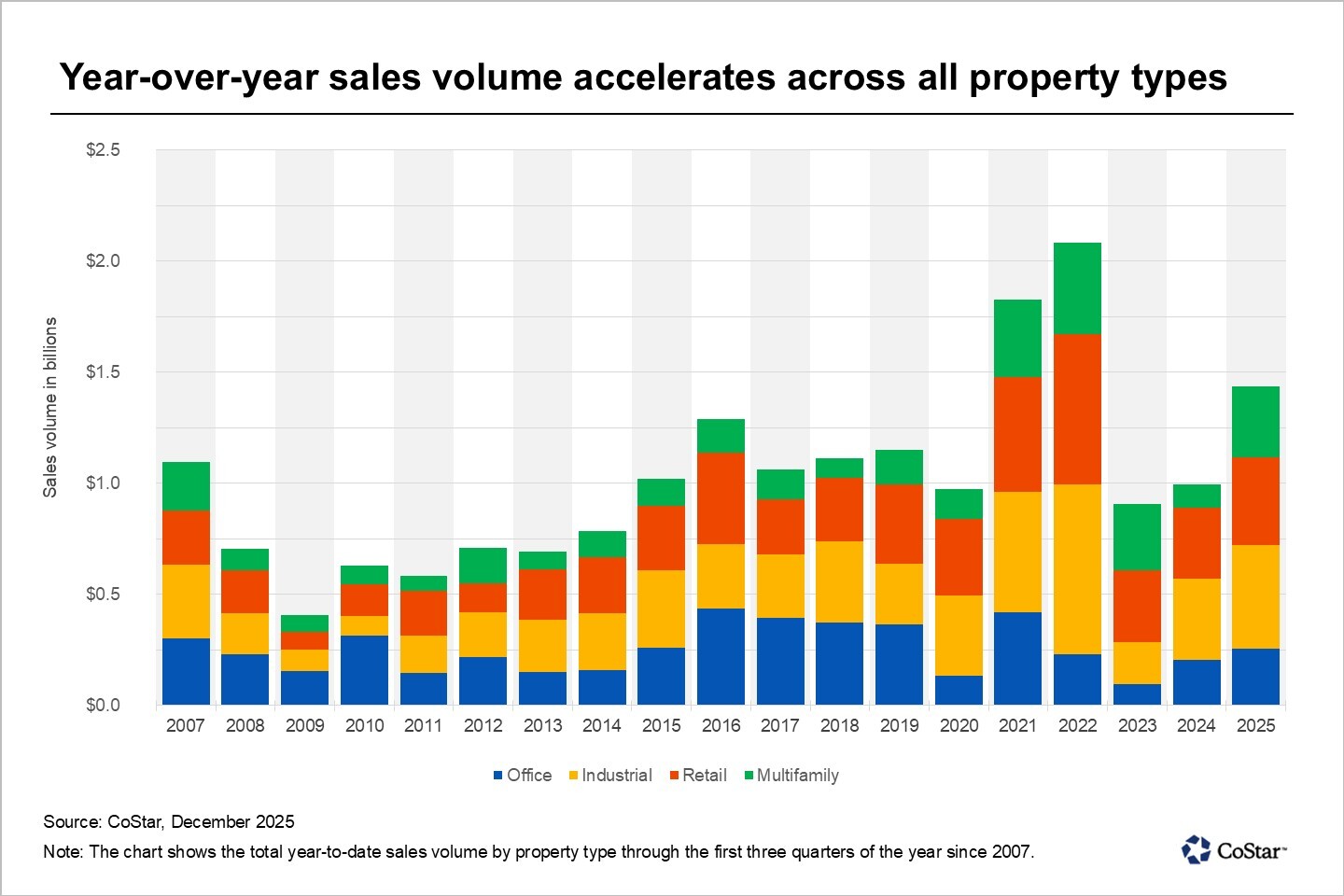
Milwaukee entered 2025 with renewed momentum, posting its strongest commercial real estate sales volume in three years. After a period of uncertainty and high capital costs, investors are returning with a sharper focus on quality assets, realistic pricing, and reliable cash flow. Activity is increasing across industrial, office, multifamily, and retail sectors, signaling a broad-based recovery fueled by stabilizing interest rates and improved market confidence.

Title Insurance Leaders Lean Into Tech, Efficiency, and Resilience for 2026

As 2026 approaches, the title insurance industry is navigating a complex mix of market recovery, rising fraud threats, and sweeping regulatory changes. Industry leaders say the path forward centers on smarter technology, leaner operations, and stronger support for title agents. With AI-driven workflows, enhanced fraud prevention, and new compliance demands—including FinCEN’s expanded Geographic Targeting Orders—companies like Stewart and First American are reshaping how title work gets done. For real estate and mortgage professionals, the year ahead promises more automation, heightened standards, and major opportunities for those who stay ahead of the curve.

Technology and the Future of Real Estate: Innovation Reshaping 2025

The real estate industry is undergoing a major transformation in 2025 as advancements in AI, proptech, blockchain, and data intelligence redefine how properties are marketed, valued, financed, and experienced. From instant digital valuations and immersive virtual tours to tokenized investments and predictive analytics, technology is reshaping every stage of the real estate lifecycle. Professionals who embrace these innovations—while maintaining the human expertise clients still rely on—will lead the next era of the industry.