A December Fed Cut Is Back in Play — But What Would It Really Mean for Mortgage Rates?

Couple planning finances at home

Financial markets are stirring once again, and all eyes are on the Federal Reserve as December approaches. With investors now pricing in a strong chance of a quarter‑point rate cut, many homebuyers and real estate professionals are asking the same question: Will mortgage rates finally fall?

The answer, as always in real estate and finance, is more complicated than it seems.

Key Takeaways

  • A December Fed rate cut is looking increasingly likely — but mortgage rates may not fall as a result.
  • Today’s 30‑year mortgage rates are near a 13‑month low, yet still unpredictable in the short term.
  • Buyers should focus on personal financial readiness rather than attempting to perfectly time rates.

Why a December Rate Cut Is Gaining Momentum

Market sentiment has shifted fast. Just days ago, traders were split on whether the Fed would cut or hold. Now, the probability of a December 10 rate cut sits near 85%, fueled by economic uncertainty and fresh Fed commentary signaling openness to easing.

The lack of timely government data after the shutdown has added volatility, but deeper forces are at play. Inflation remains above the Fed’s comfort zone, yet a softening labor market supports the case for a reduction. One comment from a key Fed policymaker was enough to send futures markets into overdrive — instantly reshaping expectations.

This kind of rapid swing underscores a timeless truth: markets react as much to sentiment as to data. And right now, sentiment strongly favors a December cut.

So… Will Mortgage Rates Fall?

Not necessarily.

Many assume mortgage rates move in lockstep with the Fed’s benchmark rate, but the connection is indirect. Fed decisions affect short‑term borrowing — credit cards, auto loans, and savings yields — while mortgage rates lean heavily on the bond market, especially the 10‑year Treasury yield.

If investors anticipate higher inflation or sustained economic strength, yields rise. Mortgage rates follow — even when the Fed is cutting.

History suggests this is more than theory: several past Fed cuts have aligned with higher mortgage rates.

Where Mortgage Rates Stand Right Now

While buyers aren’t yet seeing the sub‑6% dream, today’s average 30‑year fixed rate of 6.43% is still the lowest in more than a year. It’s only slightly above October’s 6.35% low and comfortably below the 7.15% peak from mid‑May.

Compared to the highs of 2023 and early 2024, this is genuine breathing room.

How Borrowers Should Decide Whether to Lock or Wait

Most forecasts — including those from Fannie Mae — expect rates to remain in the low‑6% range through 2025, with a potential dip below 6% sometime next year. Not dramatic, but meaningful.

“If someone is in the market to buy, they should take advantage of the rates we have and not hold out for better pricing.”
— Christopher Carter, Univest

Even if rates decline slightly, the savings may not justify waiting and risking the loss of a great home. Experts stress financial readiness — strong credit, realistic debt, stable income, and a solid down payment — as the real differentiator.

If rates fall further, refinancing remains a powerful tool.

Practical Advice for Today’s Market

For buyers, agents, and mortgage pros, the winning strategy is a blend of preparation and education. Staying informed empowers smart decisions in a fast‑moving market.

At Cameron Academy, we see how understanding economic shifts gives professionals an edge. Whether you’re entering real estate, mortgage finance, insurance, or another licensed field, the right knowledge can transform your career trajectory.

Explore the courses at Cameron Academy to sharpen your expertise and stay ahead of market forces shaping tomorrow’s opportunities.

Original reporting sourced from Investopedia. Read more here: Investopedia Article

More Articles

Getting licensed or staying ahead in your career can be a journey—but it doesn’t have to be overwhelming. Grab your favorite coffee or tea, take a moment to relax, and browse through our articles. Whether you’re just starting out or renewing your expertise, we’ve got tips, insights, and advice to keep you moving forward. Here’s to your success—one sip and one step at a time!

2025 Commercial Real Estate Outlook: Navigating a New Era

The commercial real estate landscape is on the brink of transformation as leaders seek to navigate the challenges of recent years and position their organizations for future opportunities.

The Emerging Mental Health Crisis Among Healthcare Workers During the COVID-19 Pandemic

The pandemic has ushered in a wave of mental health challenges that affect healthcare workers profoundly. From the onset of COVID-19, these professionals have been at the forefront, facing immense pressure, long hours, and the constant fear of exposure.

By |December 18, 2024|Categories: Article, Healthcare Workers, Mental Health|Tags: , |0 Comments

Ethical Concerns of Large Language Models in Healthcare

Exploring the dual nature of LLMs offers substantial benefits in healthcare but also raises significant ethical concerns, underscoring the need for well-defined guidelines and human oversight.

The Role of Wearable Devices in Chronic Disease Monitoring and Patient Care: A Comprehensive Review

Wearable devices have become integral in managing chronic conditions by providing continuous health data, empowering patients and healthcare professionals with insights that were previously unattainable.

AI Training Mandates: Navigating Legal Waters in Dentistry

The integration of artificial intelligence (AI) into dental practices is more than a technological trend; it represents a seismic shift in the industry. This transformation is reshaping skill sets and prompting a thorough examination of legal and ethical implications.

By |December 17, 2024|Categories: Article, Legal, Technology|Tags: , |0 Comments

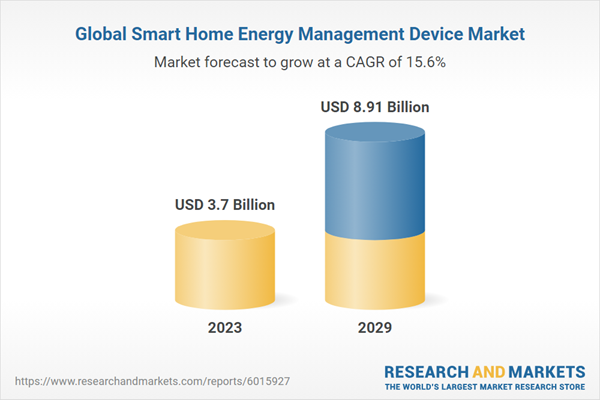
Smart Home Energy Management Devices: A Market Poised for Growth

The Global Smart Home Energy Management Device Market is on the brink of a significant transformation, driven by escalating demands for energy-efficient solutions and the increasing adoption of smart home technologies.