A December Fed Cut Is Back in Play — But What Would It Really Mean for Mortgage Rates?
Financial markets are stirring once again, and all eyes are on the Federal Reserve as December approaches. With investors now pricing in a strong chance of a quarter‑point rate cut, many homebuyers and real estate professionals are asking the same question: Will mortgage rates finally fall?
The answer, as always in real estate and finance, is more complicated than it seems.
Key Takeaways
A December Fed rate cut is looking increasingly likely — but mortgage rates may not fall as a result.
Today’s 30‑year mortgage rates are near a 13‑month low, yet still unpredictable in the short term.
Buyers should focus on personal financial readiness rather than attempting to perfectly time rates.
Why a December Rate Cut Is Gaining Momentum
Market sentiment has shifted fast. Just days ago, traders were split on whether the Fed would cut or hold. Now, the probability of a December 10 rate cut sits near 85%, fueled by economic uncertainty and fresh Fed commentary signaling openness to easing.
The lack of timely government data after the shutdown has added volatility, but deeper forces are at play. Inflation remains above the Fed’s comfort zone, yet a softening labor market supports the case for a reduction. One comment from a key Fed policymaker was enough to send futures markets into overdrive — instantly reshaping expectations.
This kind of rapid swing underscores a timeless truth: markets react as much to sentiment as to data. And right now, sentiment strongly favors a December cut.
So… Will Mortgage Rates Fall?
Not necessarily.
Many assume mortgage rates move in lockstep with the Fed’s benchmark rate, but the connection is indirect. Fed decisions affect short‑term borrowing — credit cards, auto loans, and savings yields — while mortgage rates lean heavily on the bond market, especially the 10‑year Treasury yield.
If investors anticipate higher inflation or sustained economic strength, yields rise. Mortgage rates follow — even when the Fed is cutting.
History suggests this is more than theory: several past Fed cuts have aligned with higher mortgage rates.
Where Mortgage Rates Stand Right Now
While buyers aren’t yet seeing the sub‑6% dream, today’s average 30‑year fixed rate of 6.43% is still the lowest in more than a year. It’s only slightly above October’s 6.35% low and comfortably below the 7.15% peak from mid‑May.
Compared to the highs of 2023 and early 2024, this is genuine breathing room.
How Borrowers Should Decide Whether to Lock or Wait
Most forecasts — including those from Fannie Mae — expect rates to remain in the low‑6% range through 2025, with a potential dip below 6% sometime next year. Not dramatic, but meaningful.
“If someone is in the market to buy, they should take advantage of the rates we have and not hold out for better pricing.”
— Christopher Carter, Univest
Even if rates decline slightly, the savings may not justify waiting and risking the loss of a great home. Experts stress financial readiness — strong credit, realistic debt, stable income, and a solid down payment — as the real differentiator.
If rates fall further, refinancing remains a powerful tool.
Practical Advice for Today’s Market
For buyers, agents, and mortgage pros, the winning strategy is a blend of preparation and education. Staying informed empowers smart decisions in a fast‑moving market.
At Cameron Academy, we see how understanding economic shifts gives professionals an edge. Whether you’re entering real estate, mortgage finance, insurance, or another licensed field, the right knowledge can transform your career trajectory.
Explore the courses at Cameron Academy to sharpen your expertise and stay ahead of market forces shaping tomorrow’s opportunities.
Original reporting sourced from Investopedia. Read more here: Investopedia Article
More Articles
Getting licensed or staying ahead in your career can be a journey—but it doesn’t have to be overwhelming. Grab your favorite coffee or tea, take a moment to relax, and browse through our articles. Whether you’re just starting out or renewing your expertise, we’ve got tips, insights, and advice to keep you moving forward. Here’s to your success—one sip and one step at a time!
A federal judge has denied class‑certification in the high‑stakes Batton commission lawsuit, delivering a temporary win for NAR and major brokerages while leaving the door open for plaintiffs to try again. With as much as $3.6 billion in potential damages on the line and nearly 80% of the proposed class now disqualified due to conflicts with earlier settlements, the case stands at a pivotal moment. Real estate professionals nationwide — especially in Florida — should watch closely, as the ruling could shape the future of buyer‑agent compensation.
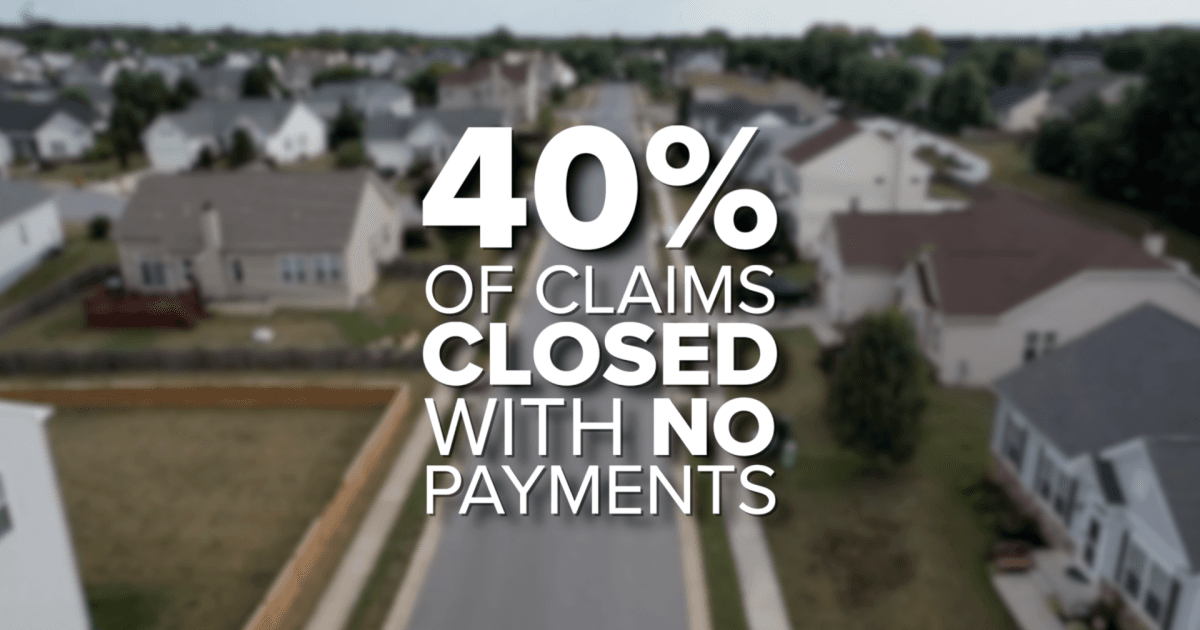
Florida homeowners are paying nearly double the national average for insurance, with premiums now reaching $5,838 a year and denied claims topping 40 percent. Residents report tripled rates, underpaid claims, and mounting financial strain, pushing lawmakers in Tallahassee to propose caps on rate hikes, tax breaks for storm‑proof upgrades, and tighter oversight of insurers. These developments are reshaping real estate and insurance conversations across the state as professionals brace for major industry shifts.
Berkshire County closed Q3 2025 with strong momentum as sales, dollar volume, and buyer competition all climbed year‑over‑year. Inventory showed slight improvement but remains far below demand, keeping the market tilted toward sellers. Single‑family homes and condos led the surge, while multifamily, land, and commercial sectors showed mixed performance. The region continues to stand out as one of New England’s most resilient real estate markets heading into 2026.
Florida homeowners now face the highest insurance burdens in the nation, with average premiums topping $5,800 per year—roughly $3,000 above the national average. As rates triple for some residents, more Floridians are skipping coverage altogether, while denied claims and slow payouts add to the frustration. With over 40 percent of claims closing with no payment and lawmakers battling over reform in Tallahassee, the crisis is reshaping budgets, homebuying decisions, and the real estate industry statewide.
Global capital is surging back into real estate—and this time, investors want more control. Colliers’ 2026 Global Investor Outlook reveals a major shift toward direct investments, joint ventures, and hands‑on strategies as money moves across North America, Europe, and the booming Asia‑Pacific markets. Data centers are now the top‑funded asset class, offices are staging a comeback, and adaptive reuse is reshaping cities worldwide. For real estate and finance professionals, the message is clear: opportunity is accelerating, and those with the right education and licensing will be at the center of the action.
The Fed’s recent rate cuts should have offered relief to commercial real estate—but long-term borrowing costs haven’t budged. While short‑term rates are falling, stubborn long‑term yields, broken deal math, and a trillion‑dollar refinancing wave are keeping the market frozen. For investors and professionals across Florida and the nation, understanding this disconnect is key to navigating the opportunities and risks emerging in today’s shifting CRE landscape.