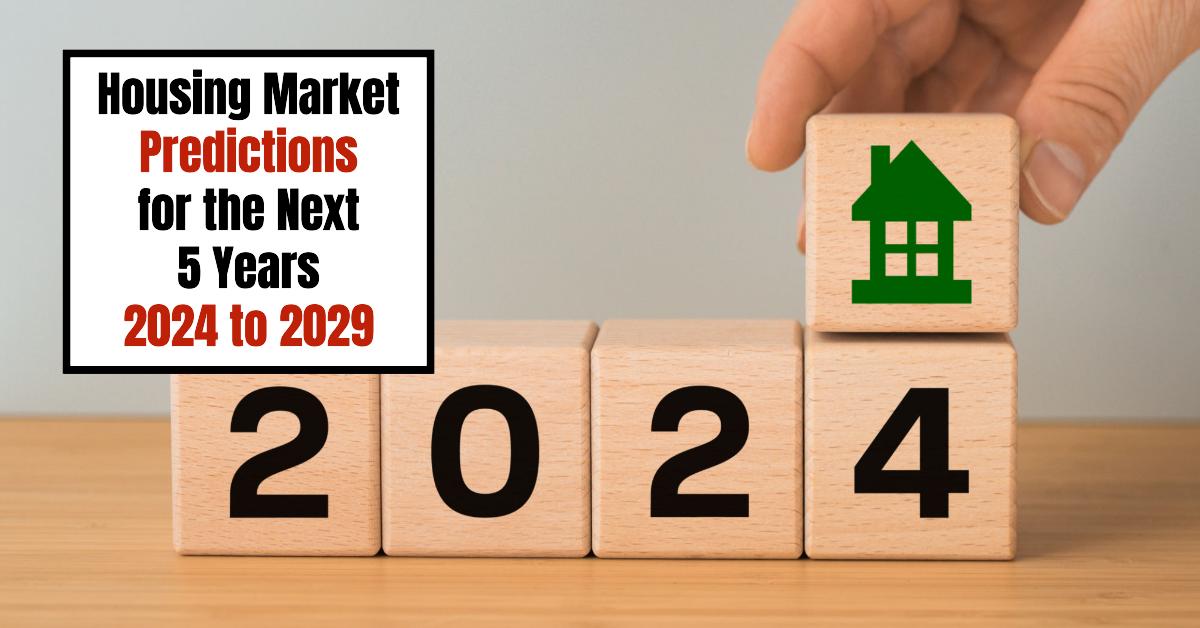
As the U.S. housing market braces for the next five years, experts are offering a range of predictions, from modest increases in home values to a potential shift towards a buyer’s market. Here’s a detailed look at the anticipated trends and changes.
2025 Forecast
The housing market in 2025 is expected to see a slight rise in home prices, projected to be between 1% and 2% above current inflation rates. This growth is anticipated due to increased real incomes and lower mortgage rates, which will enhance affordability. As millennials reach their prime home-buying age, demand is expected to rise, with new constructions attempting to mitigate the ongoing inventory shortage. Despite improvements, underbuilding will continue to affect market dynamics.
2026 Outlook
In 2026, more buyers are likely to collaborate with family and friends to manage high housing costs. Emerging technologies are set to revolutionize home construction, making it faster and more cost-efficient. Builders will be urged to consider the rising costs associated with climate change, focusing on sustainability and resilience in new developments.
2027 Expectations
Looking towards 2027, demographic trends such as urbanization and shifts in worker preferences due to remote work will influence market demand. Interest rates are expected to stabilize, potentially settling between 5.5% and 7%, impacting mortgage affordability. An increase in housing demand in suburban and rural areas is anticipated as people seek more space and community amenities.
2028 Projections
By 2028, the rise in housing inventory may return the market to a more balanced state, with supply meeting demand. This balance could ease competition in local markets, particularly in fast-growing Southern cities. However, housing affordability will continue to pose challenges, especially in densely populated urban centers.
2029 Vision
Approaching 2029, gradual changes in economic conditions, technological advances, and demographic shifts are expected to shape the housing landscape. As Millennials and Gen Z dominate the buying market, preferences will shift towards environmentally friendly, affordable housing solutions. Innovations like virtual tours and data analytics will streamline the home buying process and provide greater market transparency.
Despite the uncertainties posed by external factors and economic shifts, the housing market is expected to provide opportunities for both buyers and sellers. Monitoring these developments closely will be crucial for making informed investment and purchasing decisions.
For more in-depth analysis, refer to the original article from Norada Real Estate Investments.
More Articles
Getting licensed or staying ahead in your career can be a journey—but it doesn’t have to be overwhelming. Grab your favorite coffee or tea, take a moment to relax, and browse through our articles. Whether you’re just starting out or renewing your expertise, we’ve got tips, insights, and advice to keep you moving forward. Here’s to your success—one sip and one step at a time!
In a world where technology is rapidly reshaping every facet of our lives, the healthcare sector is no exception. The recent review published in Cureus delves into the transformative role of telemedicine and telehealth, particularly in public healthcare. This narrative review highlights the integration of telehealth and telemedicine, their historical milestones, and how the COVID-19 pandemic accelerated their adoption.
The construction industry is poised for dramatic shifts. Those who embrace these changes will lead the way in shaping a smarter, more sustainable built environment.
As the clock ticks toward a December 31 deadline, a major House subcommittee is considering 15 bills aimed at expanding access to telehealth services. This legislative push is crucial as pandemic-era flexibilities face expiration, potentially affecting countless patients who have come to rely on virtual care.
The AI in telemedicine market is set to experience a remarkable surge, growing from USD 19.4 billion in 2024 to an anticipated USD 156.7 billion by 2033. This represents a compound annual growth rate (CAGR) of 26.1%, driven by advancements in remote diagnostics, personalized treatments, and the integration of artificial intelligence across telemedicine platforms globally.
The Global X Infrastructure Development Ex-U.S. ETF, known as IPAV, emerges as a promising investment vehicle for those looking to capitalize on the burgeoning international infrastructure sector. Listed on August 28, 2024, on the CBOE BZX, it captures the growth potential of companies outside the United States benefiting from infrastructure advancements.