A Fresh Vision for True Florida Affordability: Jayden D’Onofrio’s Call for Real Relief
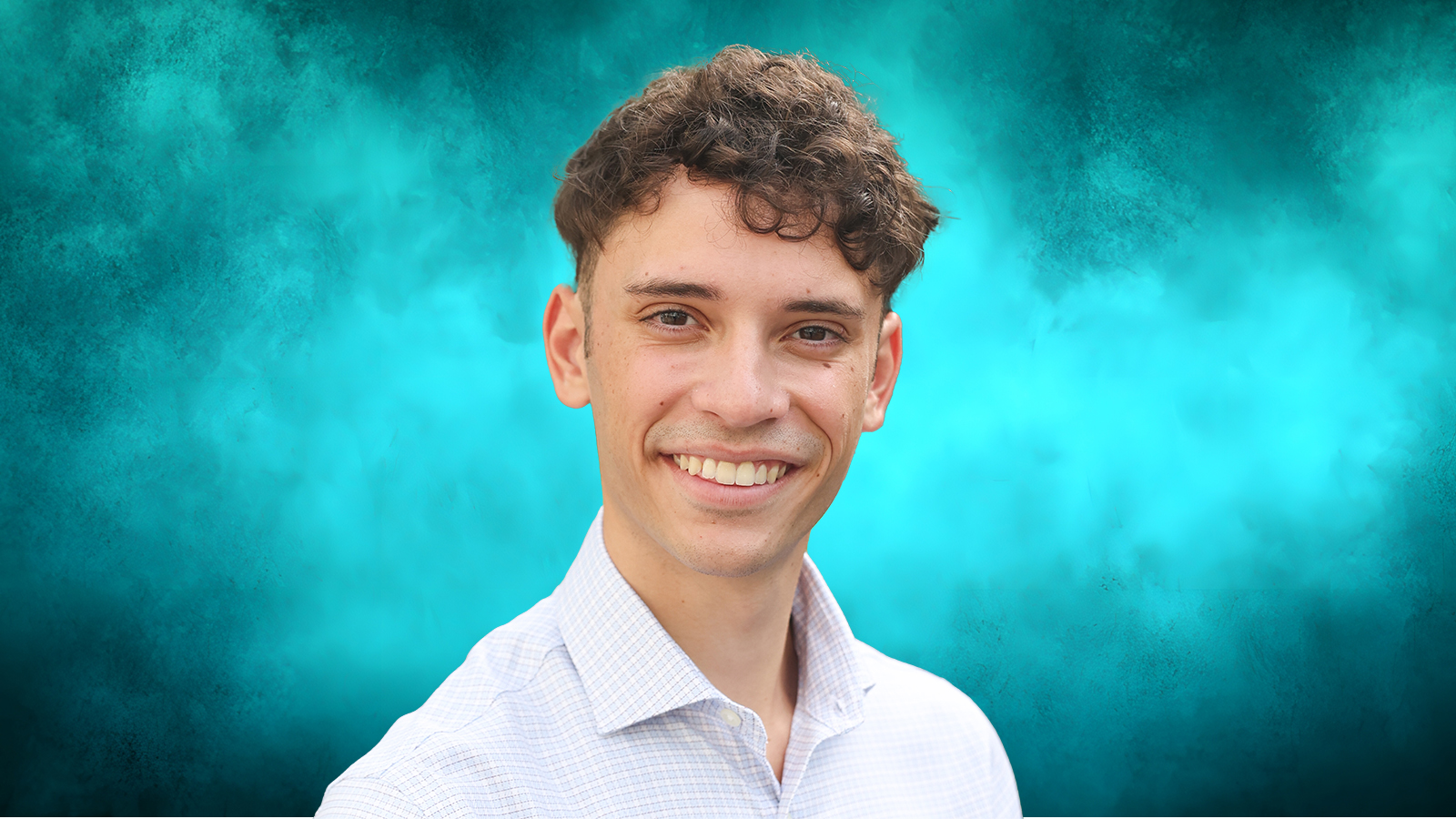
Professional smiling headshot

If you’ve talked to any family in Florida lately—or simply checked out at a grocery store—you’ve heard it loud and clear: life in the Sunshine State has become expensive. Very expensive.

Costs aren’t rising in theory; they’re rising right at the checkout lane, on monthly bills, and across everyday essentials. And according to reporting from Florida Politics, community leader and House District 102 candidate Jayden D’Onofrio is calling for a fresh, unified approach to tackle this affordability crisis head-on.

A Holistic Plan for 2026 and Beyond

Florida Democrats recently introduced their 2026 Affordability Agenda, focusing on stabilizing insurance premiums, reducing upfront homebuying costs, and empowering state watchdogs to combat government waste.

But D’Onofrio argues that’s only the beginning. Affordability isn’t a single-issue topic—it’s the thread woven through nearly every struggle Florida families face.

The Triple Burden: Property Insurance, Auto Insurance, and Homeownership

Some Florida homeowners have seen property insurance premiums rise more than 60% since 2019. Meanwhile, insurers have donated over $10 million to state Republican campaigns. D’Onofrio insists the state must restore real market competition by bringing insurers back and supporting companies willing to cover high‑risk regions.

Property Insurance Snapshot

Premiums have surged across Florida, with several sources—including data from the NSI Group—confirming some of the steepest increases in the country.

The auto insurance issue is equally urgent. Florida ranks near the bottom nationally because one in five drivers is uninsured. D’Onofrio proposes stronger enforcement paired with support systems that help drivers maintain proper coverage—ultimately lowering rates for everyone.

First‑time homeownership is also slipping away from many Floridians. With one of the steepest national declines, prospective buyers need relief. D’Onofrio supports expanded down‑payment assistance and targeted property tax incentives that preserve funding for schools and first responders.

Why This Matters to Florida’s Professional Workforce

Affordability impacts every profession—real estate, insurance, mortgage lending, healthcare, finance, and beyond. A stable housing environment isn’t just good policy; it’s the backbone of a thriving workforce.

At Cameron Academy, we see every day how affordability pressures affect students pursuing or advancing their careers. Whether someone is entering real estate or transitioning into fields like finance or insurance, the ability to live where you work has become a deciding factor in long-term success.

How This Connects to Real Estate Students

Future Florida real estate professionals are entering a market shaped by affordability policies, shifting buyer psychology, and evolving investment trends. This is why Cameron Academy prioritizes real-world insights and ongoing market updates throughout our licensing and continuing education programs.

A Call for Clear Communication and Real Solutions

D’Onofrio stresses that Floridians aren’t asking for perfection—they want leaders who communicate honestly and stay focused on economic realities, not political theater.

To regain public trust, leaders must connect every proposal back to the essential question: Can a family afford to build a future here?

A State Worth Fighting For

The affordability crisis will not disappear on its own. But Floridians are resilient—and D’Onofrio believes policymakers must match that resilience with practical, people‑centered solutions.

For professionals building their futures here—and for students expanding their careers at places like Cameron Academy—these policy decisions will shape the economic landscape for years to come.

Explore the full original coverage at Florida Politics.
More Articles

Getting licensed or staying ahead in your career can be a journey—but it doesn’t have to be overwhelming. Grab your favorite coffee or tea, take a moment to relax, and browse through our articles. Whether you’re just starting out or renewing your expertise, we’ve got tips, insights, and advice to keep you moving forward. Here’s to your success—one sip and one step at a time!

FinCEN’s Nationwide AML Rule Reshapes Title and Real Estate Compliance for 2025–2026

The title and real estate industries are entering their most dramatic compliance overhaul in decades. FinCEN’s new anti‑money‑laundering rule now applies to every state, enforces a first‑dollar reporting requirement, and places full responsibility on settlement agents. With the rule already in effect and mandatory reporting beginning March 1, 2026, professionals face urgent operational changes involving software, training, and entity‑buyer disclosures. Combined with state‑level rate shifts and heightened scrutiny of attorney opinion letters, 2025 marks a turning point that demands stronger compliance literacy across the entire real estate and finance ecosystem.

7 Retirement Trends Shaping 2026: What Professionals Should Know

Retirement planning went through major changes in 2025, from new SECURE Act updates to shifting investment behaviors. As we move into 2026, seven key trends are reshaping how Americans save and build long‑term wealth. These shifts matter not only for everyday investors but also for professionals across real estate, finance, mortgage, insurance, and other licensed fields. Understanding these developments can help you strengthen your own financial strategy while staying competitive in your career.

Florida’s Real Estate Cooldown: Insurance Costs Are Now the Biggest Dealbreaker

Florida’s housing market is cooling faster than any other state, and soaring insurance premiums are the primary force driving buyers away. With cancellation rates in major metros topping 20%, steep price drops across Southwest Florida, rising HOA and condo fees, and thousands of homes added to new flood zones, many buyers are discovering that insurance—not the mortgage—is what kills the deal. As Citizens shrinks and new legislation raises coverage requirements, professionals in real estate, mortgage, and insurance must adapt quickly to a market where affordability hinges on risk, regulation, and rising premiums.

Commercial Real Estate in 2026 Shows Signs of Stabilization and Strategic Growth

Commercial real estate is entering 2026 with renewed optimism as pricing floors, revitalized capital markets, and improved market visibility signal a shift away from the volatility of 2025. Analysts from Deloitte, Colliers, Cushman & Wakefield, and CoStar highlight firmer fundamentals, rising deal flow, and increased lender participation. Key sectors such as office, industrial, retail, multifamily, and data centers are showing distinct recovery patterns, positioning industry professionals and students for new opportunities in the year ahead.

Why Florida Insurance Rates Are Falling but Premiums Keep Climbing

Florida’s property insurance market is finally stabilizing after years of storms, lawsuits, and rising rates — yet many homeowners are still seeing higher bills. The reason isn’t the rates themselves but soaring replacement values driven by inflation in labor and building materials. Even as insurers lower rates, the cost to rebuild a home continues to rise, making up roughly 75% of recent premium increases. With new insurers entering the market and reforms taking effect, homeowners now have more options to shop, recalculate coverage, and control their costs.

Why Microcredentials Will Dominate 2026 Hiring — And How Professionals Can Stay Ahead

The 2026 job market is shifting fast, and the biggest winners will be professionals who can prove they’re continuously learning. With more than 90% of employers now preferring candidates with microcredentials, short targeted certificates are becoming the new career currency. From AI and data skills to modern communication and adaptability, microcredentials are helping workers stand out in a competitive landscape — especially as industries like real estate, mortgage, insurance, and finance demand ongoing upskilling.