“`html

A New Era in Housing: Renting Takes the Lead

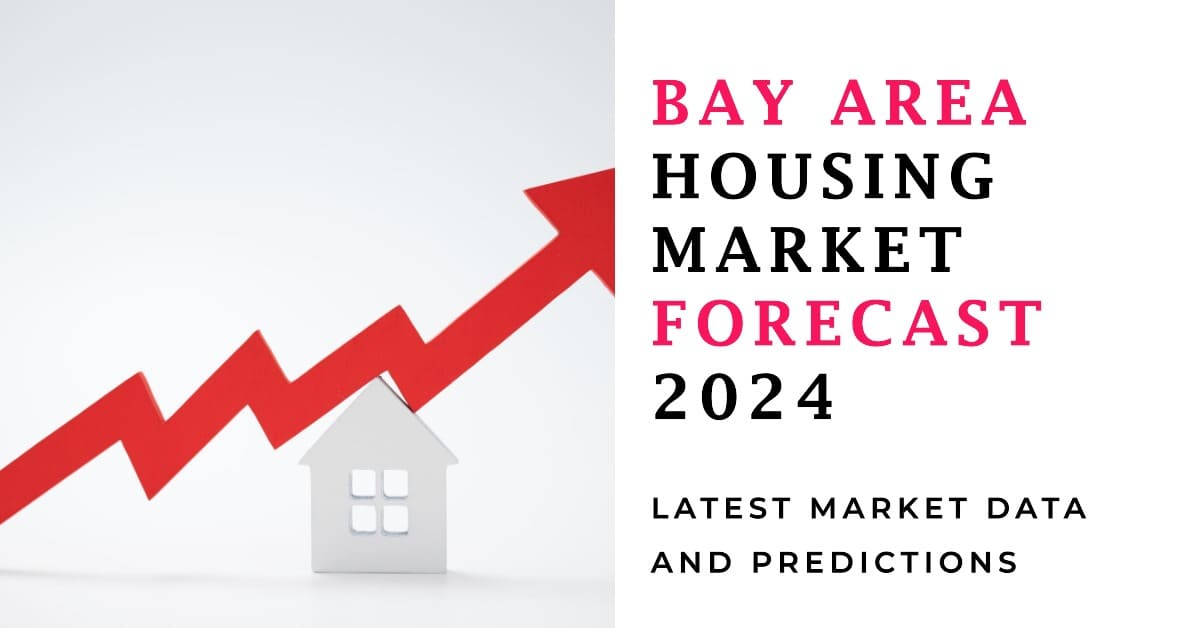
In a striking shift in the housing market, renting has become a more affordable option than buying a home across the 50 largest U.S. metropolitan areas. According to a recent study by Bankrate, average mortgage payments now exceed average rents by a significant 38% in 2025.
The study highlights the growing cost disparities between renting and buying, particularly in tech-centric regions like San Francisco, San Jose, and Seattle. These areas have seen the most significant gaps, with mortgage payments soaring to nearly double the cost of renting. Conversely, the Rust Belt cities, including Detroit, Philadelphia, and Cleveland, present a more balanced picture, where the differences in costs are minimal.

Market Dynamics and Economic Factors

Several economic factors contribute to this trend. Rising mortgage rates and home prices, coupled with increased property taxes and homeowners insurance rates, have made homeownership less accessible. Meanwhile, the rental market has experienced a surge in inventory, offering more options and stable prices for renters.

Expert Insights: Weighing the Options

Housing experts emphasize the importance of personal financial assessment and long-term planning when deciding between renting and buying. While owning a home still offers long-term financial benefits like equity and stability, the upfront costs and current market conditions make renting a more attractive short-term solution for many.
According to Bankrate, the decision ultimately depends on individual circumstances, including financial readiness and lifestyle preferences. For those considering a home purchase, experts recommend a thorough evaluation of financial capacity and a strategic approach to navigating this complex market landscape.
As the housing market continues to evolve, potential homeowners are advised to stay informed and consider all factors before making this significant financial commitment. The original Bankrate article offers a comprehensive analysis and further insights into this ongoing trend.
“`

More Articles

Getting licensed or staying ahead in your career can be a journey—but it doesn’t have to be overwhelming. Grab your favorite coffee or tea, take a moment to relax, and browse through our articles. Whether you’re just starting out or renewing your expertise, we’ve got tips, insights, and advice to keep you moving forward. Here’s to your success—one sip and one step at a time!

Housing Costs Surge: Navigating the 2024 Construction Material Price Hike

In an unexpected twist of economic fate, the construction industry finds itself grappling with a steep ascent in building material costs, a trend that began its climb at the dawn of 2024.

Texas High-Tech Sector Rebounds Post-Pandemic, Set for New Growth Trajectory

As the dust settles from the pandemic, Texas' high-tech sector is shaking off its post-pandemic slump and gearing up for a new growth trajectory.

Struggling Landlords Seek Relief Amid Rising Insurance Costs

In the ever-evolving landscape of commercial real estate, a new challenge has emerged, straining the resilience of landlords and developers alike. The soaring costs of insurance, exacerbated by climate-induced natural disasters, are creating a formidable obstacle for property owners. Particularly affected are coastal cities and towns, where the risk of storms and floods is high.

By |October 24, 2024|Categories: Article, Insurance, Real Estate|Tags: , |0 Comments

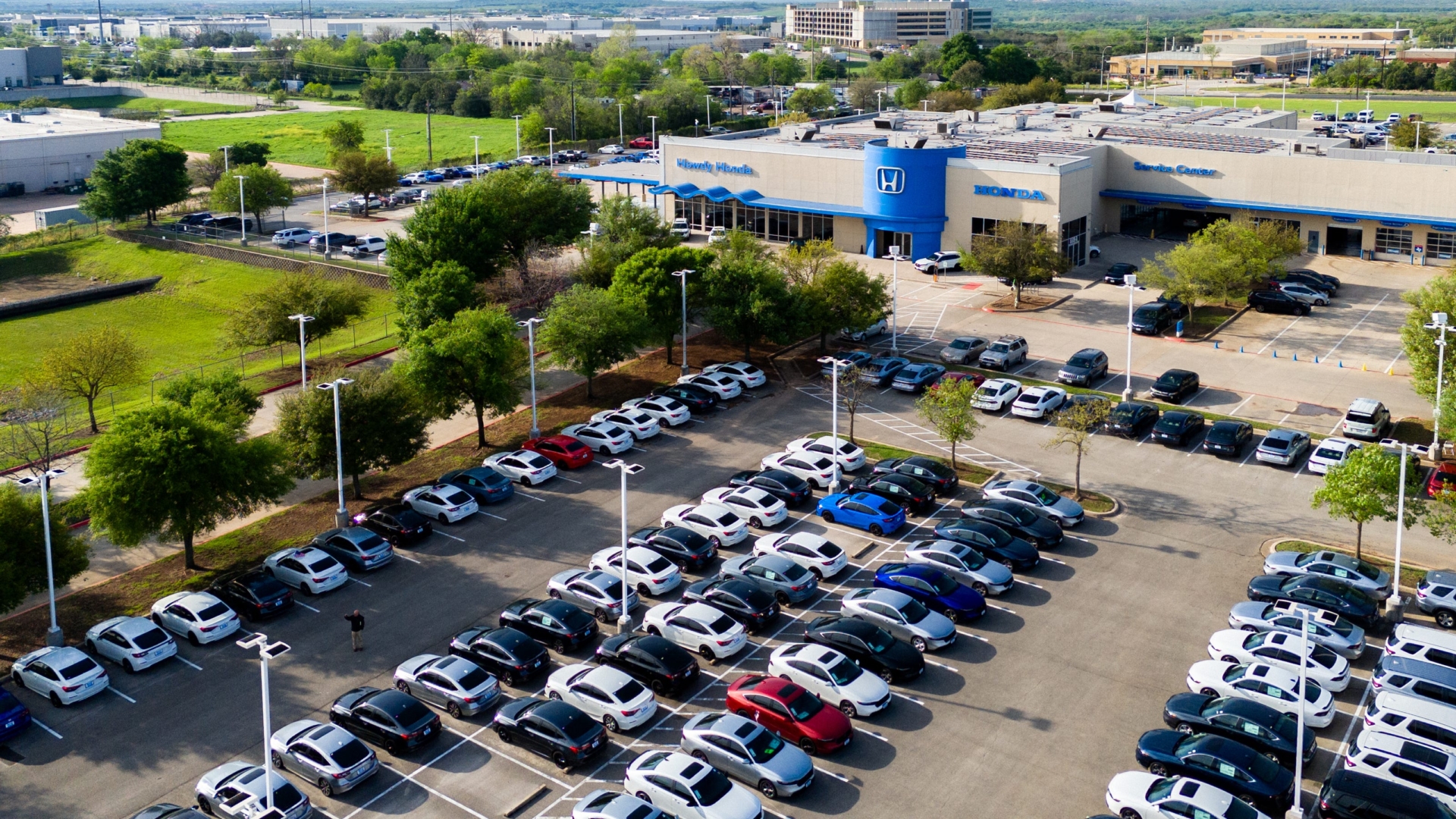
CDK Global’s Cyberattack Disrupts U.S. Car Dealerships

In a significant cyberattack that has disrupted operations across the United States, CDK Global, a leading provider of cloud-based software to automotive dealerships, was forced to shut down most of its systems. This incident has highlighted the vulnerabilities and rising trend of cyberattacks targeting the auto industry.

By |October 23, 2024|Categories: Article, Automotive Industry, Cybersecurity|Tags: , |0 Comments

Commercial Real Estate: A Sector Under Siege

The commercial real estate landscape has experienced seismic shifts, particularly with properties purchased prior to the Covid-19 pandemic. Many of these assets now hold diminished value compared to the loans used to acquire them.