In the rapidly evolving world of artificial intelligence, researchers are facing a new challenge: developing tests that A.I. systems cannot easily pass. Historically, A.I. systems were evaluated using standardized benchmark tests with S.A.T.-level questions in mathematics, science, and logic. However, as these systems have advanced, they have begun excelling even in the most challenging tests, typically reserved for graduate students. This trend raises a chilling question: Are A.I. systems becoming too advanced for us to measure effectively?
Humanity’s Last Exam, a new and extremely demanding test for A.I. systems, has been introduced as a possible solution. Developed by Dan Hendrycks, a prominent A.I. safety researcher and director of the Center for AI Safety, this exam aims to provide a true measure of A.I.’s capabilities. The original name, Humanity’s Last Stand, was revised due to its overly dramatic tone.
This development signifies the need to adapt our methods of evaluation alongside technological advancements. As new models from firms like OpenAI, Google, and Anthropic continue to overcome complex Ph.D.-level challenges, there is increasing recognition that existing tests may no longer suffice.
For more details on this groundbreaking evaluation, visit Humanity’s Last Exam.
The debate around A.I.’s capabilities continues to evolve, prompting discussions about how we assess and manage the impacts of increasingly intelligent systems. In the near future, developing even more sophisticated tests will be crucial in understanding and guiding the trajectory of artificial intelligence development.
More Articles
Getting licensed or staying ahead in your career can be a journey—but it doesn’t have to be overwhelming. Grab your favorite coffee or tea, take a moment to relax, and browse through our articles. Whether you’re just starting out or renewing your expertise, we’ve got tips, insights, and advice to keep you moving forward. Here’s to your success—one sip and one step at a time!
DeFi platforms are revolutionizing financial services, affecting everything from asset management to banking and compliance. This transformation is driven by the transparency and efficiency of blockchain technology, which introduces innovations like smart contracts and tokenization.
In a world where digital threats loom large, the banking sector finds itself at a critical juncture. A recent story shared by an acquaintance, Dave, underscores the pervasive risk of cyberattacks that banks face today. Dave, who works in the banking sector, was caught off guard by a phishing attempt that seemed legitimate. Fortunately, it was a security test, but it highlighted a glaring vulnerability.
Nursing vacancies have surged to 17%, more than doubling pre-pandemic levels, prompting hospitals to go beyond mere salary increases and benefits enhancements.
In an era where technology is reshaping every facet of our lives, healthcare stands at the forefront of this digital revolution. As we delve into 2024, the integration of telehealth, AI, and wearable technologies is setting new benchmarks in patient care and accessibility.
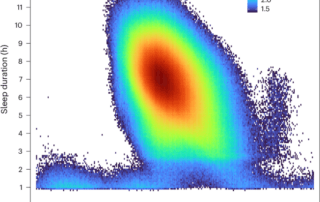
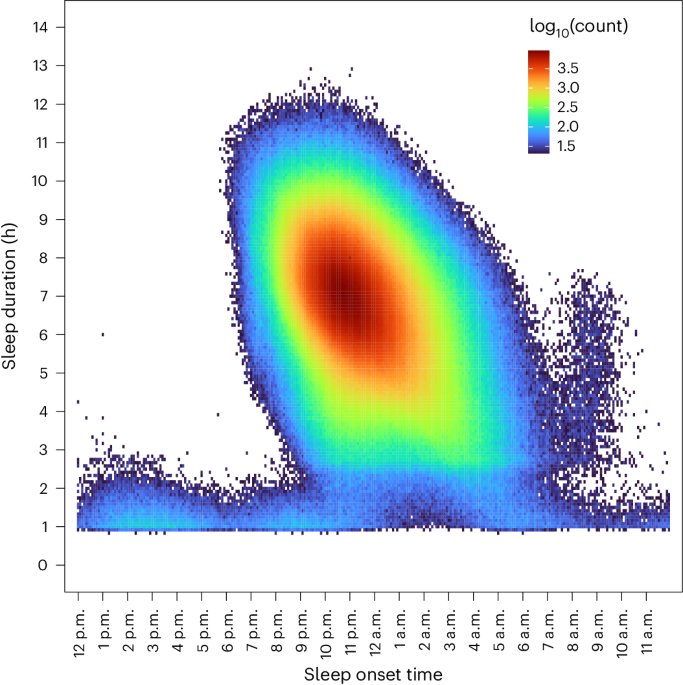
By tracking sleep patterns over extended periods, wearables provide a unique opportunity to observe the long-term effects of sleep on health, offering valuable insights for both public health policies and individual health management.