In the rapidly evolving world of artificial intelligence, researchers are facing a new challenge: developing tests that A.I. systems cannot easily pass. Historically, A.I. systems were evaluated using standardized benchmark tests with S.A.T.-level questions in mathematics, science, and logic. However, as these systems have advanced, they have begun excelling even in the most challenging tests, typically reserved for graduate students. This trend raises a chilling question: Are A.I. systems becoming too advanced for us to measure effectively?
Humanity’s Last Exam, a new and extremely demanding test for A.I. systems, has been introduced as a possible solution. Developed by Dan Hendrycks, a prominent A.I. safety researcher and director of the Center for AI Safety, this exam aims to provide a true measure of A.I.’s capabilities. The original name, Humanity’s Last Stand, was revised due to its overly dramatic tone.
This development signifies the need to adapt our methods of evaluation alongside technological advancements. As new models from firms like OpenAI, Google, and Anthropic continue to overcome complex Ph.D.-level challenges, there is increasing recognition that existing tests may no longer suffice.
For more details on this groundbreaking evaluation, visit Humanity’s Last Exam.
The debate around A.I.’s capabilities continues to evolve, prompting discussions about how we assess and manage the impacts of increasingly intelligent systems. In the near future, developing even more sophisticated tests will be crucial in understanding and guiding the trajectory of artificial intelligence development.
More Articles
Getting licensed or staying ahead in your career can be a journey—but it doesn’t have to be overwhelming. Grab your favorite coffee or tea, take a moment to relax, and browse through our articles. Whether you’re just starting out or renewing your expertise, we’ve got tips, insights, and advice to keep you moving forward. Here’s to your success—one sip and one step at a time!
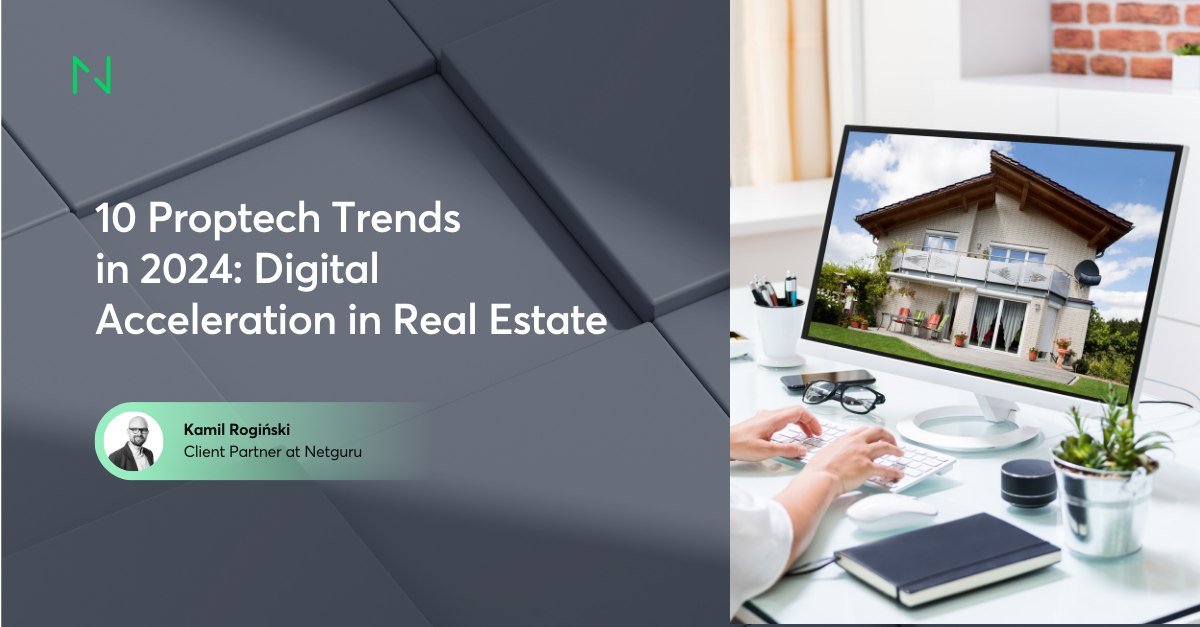
The real estate industry is poised on the brink of a digital revolution, as proptech trends in 2024 promise to reshape the market landscape. After a turbulent period marked by skyrocketing mortgage payments, the sector is now stabilizing, creating fertile ground for technological innovation.
As the cost of living continues to rise, finding an affordable place to call home has become a priority for many Americans. A recent analysis by Norada Real Estate Investments highlights the top 10 cheapest housing markets in the United States for 2024, providing potential homebuyers with economically viable options.
Musk's initiative could significantly reshape the housing market. By offering competitively priced, sustainable homes, the project could inspire other builders to focus on cost-effective, eco-friendly solutions. This shift might also encourage a cultural change, where smaller, more efficient homes gain popularity over traditional larger properties.
The real estate sector in India is experiencing a profound transformation, driven by the rise of remote working. As professionals embrace flexibility, their preferences for living spaces have evolved, impacting both residential and commercial real estate dynamics.
The commercial real estate sector is bracing for a tumultuous year ahead, as it navigates the unpredictable waters of economic uncertainty and fluctuating interest rates.
Non-resident individuals must navigate complex U.S. tax laws and carefully choose suitable holding structures to maximize their investment and minimize risk.