A Risky Proposition: Weakening Local Governments by Eliminating Property Tax Revenue

In a bold and potentially perilous move, Florida is contemplating the elimination of property taxes—a cornerstone of local fiscal autonomy. This proposition, as detailed in a recent report by the Florida Policy Institute, could significantly undermine the financial stability of local governments.


Understanding the Role of Property Taxes

Property taxes are a vital source of revenue for local governments, funding essential services such as education, public safety, and community programs. The report emphasizes that these taxes account for a substantial portion of local government budgets, with real property taxes making up 18% of county revenue, 17% of municipal revenue, and a staggering 50 to 60% of school district revenue.


Potential Consequences of Eliminating Property Taxes

Eliminating property taxes could lead to a fiscal crisis, requiring the state to find alternative revenue streams. The report warns that replacing property taxes with increased sales taxes could disproportionately impact lower-income households, exacerbating existing inequalities. Sales taxes are inherently regressive, placing a heavier burden on those with less income.


Exploring Alternatives and Reforms

The Florida Policy Institute suggests several alternatives to outright elimination. These include reenacting the state’s tax on intangible property, implementing a mansion tax, and introducing a circuit breaker program to provide relief to those most affected by property taxes. These measures could make the tax system more equitable and ensure continued funding for essential services.


The Broader Implications

This debate in Florida is emblematic of a larger national conversation about tax fairness and the balance between state and local governance. As states like Texas and Nebraska explore similar measures, the implications for public services and fiscal autonomy are profound.

For more insights, visit the Florida Policy Institute’s Tax Policy page or explore their 2025 Legislation section.


More Articles

Getting licensed or staying ahead in your career can be a journey—but it doesn’t have to be overwhelming. Grab your favorite coffee or tea, take a moment to relax, and browse through our articles. Whether you’re just starting out or renewing your expertise, we’ve got tips, insights, and advice to keep you moving forward. Here’s to your success—one sip and one step at a time!

Revolutionizing Real Estate with IoT: A New Era of Smart Homes

The real estate industry is on the brink of a transformation, driven by the integration of the Internet of Things (IoT). This technological advancement is reshaping how buildings operate and enhancing tenant experiences across the globe.

New Orleans as a Beacon of Resilience: The Sixth Triennial

"This framework postulates New Orleans as already living in the future," said Patterson during the exhibition's opening. Lash added, "We want to show New Orleans as a gift and as a scout." The exhibition, featuring 51 artists across 21 venues, highlights how contemporary art can serve as an engine of coping, rather than mere recovery.

By |March 6, 2025|Categories: Art, Article, Culture|Tags: , |0 Comments

Navigating Trump’s Tax Proposals: Key Changes Ahead

As the dust settles on the recent Republican victory in the U.S. presidential election, the tax landscape is poised for significant changes with President-elect Donald Trump set to return to the White House.

By |March 6, 2025|Categories: Article, Tax Policy, U.S. Politics|Tags: , |0 Comments

Multifamily Housing Sector: Modest Growth and Market Predictions for 2025

As we step into 2025, the multifamily housing sector is projected to experience modest growth. Yardi Matrix anticipates a 1.5% increase in rents, driven by positive economic conditions and stable industry fundamentals, particularly in the Northeast and Midwest regions. However, the rent growth forecasts vary across different markets.

Renter Preferences for 2024: Insights from Industry Surveys

Recent surveys have shed light on the preferences and priorities of renters in 2024, emphasizing the dominance of digital marketing and the importance of community inclusiveness.

AI Revolutionizes the Real Estate Market

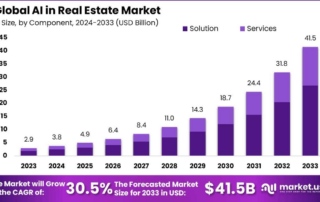
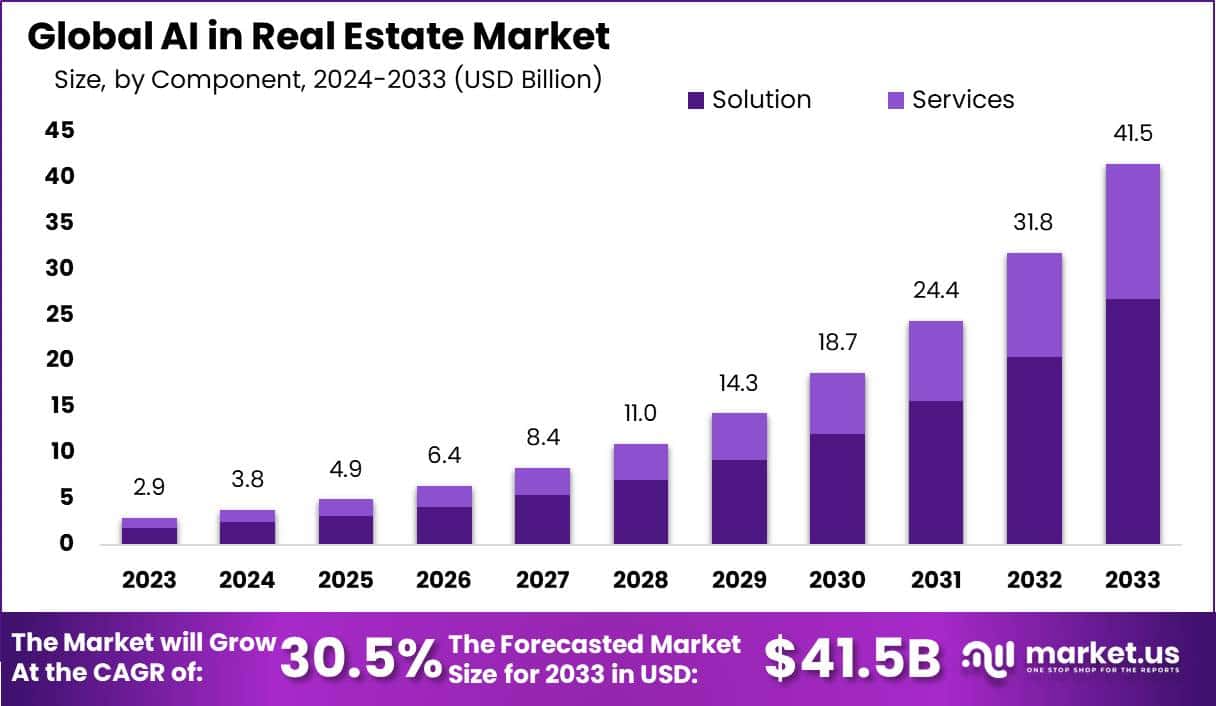
The real estate industry is on the brink of a technological transformation, with Artificial Intelligence (AI) playing a pivotal role. According to a recent report by Market.us, the AI in real estate market is projected to surge from USD 2.9 Billion in 2023 to a staggering USD 41.5 Billion by 2033, growing at an impressive CAGR of 30.5%.