A Risky Proposition: Weakening Local Governments by Eliminating Property Tax Revenue

In a bold and potentially perilous move, Florida is contemplating the elimination of property taxes—a cornerstone of local fiscal autonomy. This proposition, as detailed in a recent report by the Florida Policy Institute, could significantly undermine the financial stability of local governments.


Understanding the Role of Property Taxes

Property taxes are a vital source of revenue for local governments, funding essential services such as education, public safety, and community programs. The report emphasizes that these taxes account for a substantial portion of local government budgets, with real property taxes making up 18% of county revenue, 17% of municipal revenue, and a staggering 50 to 60% of school district revenue.


Potential Consequences of Eliminating Property Taxes

Eliminating property taxes could lead to a fiscal crisis, requiring the state to find alternative revenue streams. The report warns that replacing property taxes with increased sales taxes could disproportionately impact lower-income households, exacerbating existing inequalities. Sales taxes are inherently regressive, placing a heavier burden on those with less income.


Exploring Alternatives and Reforms

The Florida Policy Institute suggests several alternatives to outright elimination. These include reenacting the state’s tax on intangible property, implementing a mansion tax, and introducing a circuit breaker program to provide relief to those most affected by property taxes. These measures could make the tax system more equitable and ensure continued funding for essential services.


The Broader Implications

This debate in Florida is emblematic of a larger national conversation about tax fairness and the balance between state and local governance. As states like Texas and Nebraska explore similar measures, the implications for public services and fiscal autonomy are profound.

For more insights, visit the Florida Policy Institute’s Tax Policy page or explore their 2025 Legislation section.


More Articles

Getting licensed or staying ahead in your career can be a journey—but it doesn’t have to be overwhelming. Grab your favorite coffee or tea, take a moment to relax, and browse through our articles. Whether you’re just starting out or renewing your expertise, we’ve got tips, insights, and advice to keep you moving forward. Here’s to your success—one sip and one step at a time!

The Future of Personalized Medicine: Bridging the Gap in Health Disparities

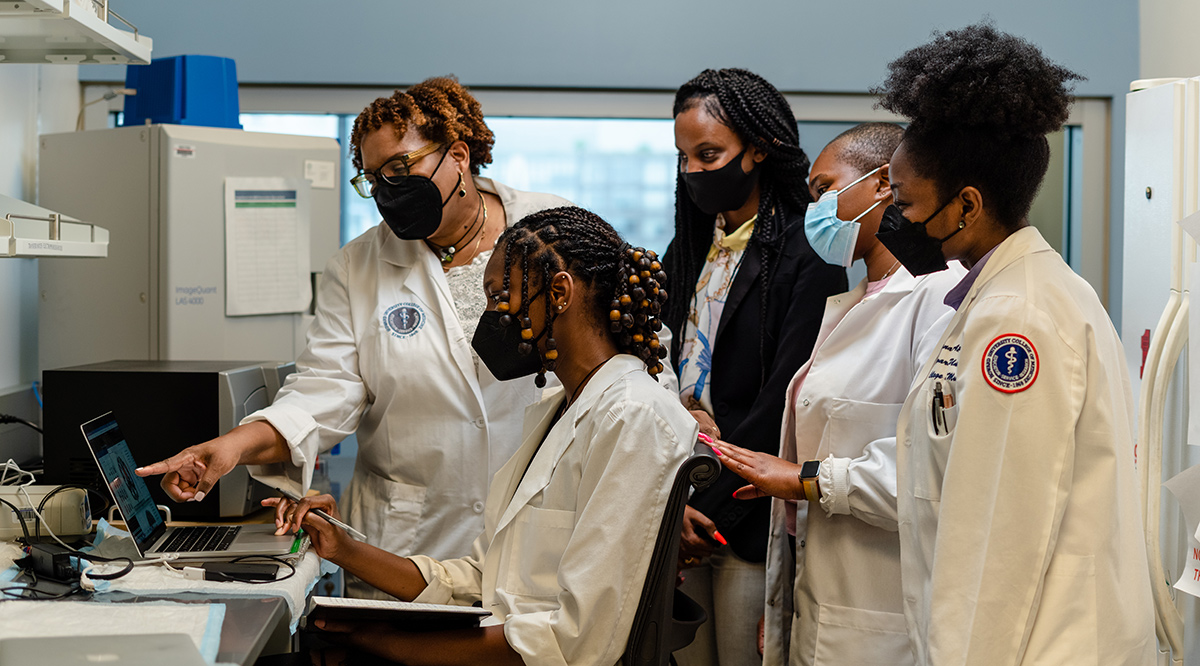
The Association of American Medical Colleges (AAMC) reports that while breast cancer mortality has decreased, Black women still face a 40% higher death rate compared to their White counterparts. This inequity is partly due to the fact that Black women are less frequently offered genetic screenings that could potentially save their lives.

The Evolving Role of AI in Education: A Delicate Balance

As the new semester unfolds, the profound influence of artificial intelligence (AI) on education and beyond is becoming increasingly evident.

By |December 7, 2024|Categories: Article, Artificial Intelligence, Education|Tags: , |0 Comments

MedTech vs BioTech: The Future of Healthcare Innovation

In the rapidly evolving landscape of healthcare, two fields stand at the forefront of innovation: MedTech and BioTech. While both are pivotal in enhancing patient care, they operate in distinct domains.

By |December 6, 2024|Categories: Article, Healthcare Innovation, MedTech and BioTech|Tags: , |0 Comments

Nanomedicine Market Poised for Explosive Growth

The nanomedicine market is set to experience a remarkable expansion, projected to surge from USD 223.6 billion in 2023 to a staggering USD 634.2 billion by 2032.

By |December 6, 2024|Categories: Article, Healthcare, Technology|Tags: , |0 Comments

Modernizing Medical Education: Embracing Public Health at the University of Dundee

In a world where healthcare and its education are undergoing seismic shifts, the University of Dundee is pioneering a transformative approach. The institution is integrating public health into its medical curriculum, responding to the rapid technological, political, and social changes reshaping the medical landscape.

By |December 6, 2024|Categories: Article, Medical Education, Public Health|Tags: , |0 Comments