A Time of Reckoning for Commercial Real Estate: What Professionals Need to Know in 2026
After years of “extend and pretend,” the commercial real estate world is officially facing its moment of truth. Banks across the nation are calling in billions of dollars in troubled office and CRE loans, pushing delinquency rates to historic highs and reshaping the future of investment strategies.
According to new data from CFO Brew, CRE analytics firm Trepp reports that more than 12% of office loans were delinquent as of January—an all‑time high. Rising interest rates, softening cash flows, and aging office properties are pushing a sector already stressed by post‑pandemic shifts into a new era of accountability.
Why Banks Are Tightening the Screws
With regulators demanding cleaner balance sheets and investors prioritizing smarter asset management, lenders have begun calling in maturing or troubled loans rather than rolling them forward. The result is a marketplace now described as “bifurcated and uneven.”
“Real estate investment normally is considered a passive kind of investment… now you need to look at the data—sales, vacancies, absorption rates—all these data-driven management metrics—in order to make a more strategic plan.”
—Maggie Hu, Baruch College Department of Real Estate
Many loans tied to older buildings or weaker office markets are performing particularly poorly. And with 17%—roughly $875 billion—of all outstanding commercial and multifamily loans maturing this year, lenders know a massive refinancing wave is coming.
Regional Banks Are Feeling the Pressure
Smaller and regional banks are carrying the heaviest burden. Their portfolios tend to be concentrated in specific local markets, meaning downturns hit harder and deeper. If losses continue to mount, lending could constrict far beyond real estate—affecting small businesses, developers, and even everyday consumers.
“Regional banks are more susceptible to the downturn in CRE markets, especially office.”
—Maggie Hu
What CRE Companies Must Do Now
For owners facing maturing loans, proactive communication is now essential. Lenders aren’t rubber‑stamping renewals anymore—meaning businesses must present data‑backed plans and realistic solutions well in advance.
“Prepare updated assessment and potential solutions, not just requests for more time.”
—Maggie Hu
What This Means for Real Estate Professionals and Students
This CRE shakeup isn’t just a headline—it’s a defining moment for career‑minded professionals. Skills such as investment analysis, market data interpretation, and portfolio management are becoming fundamental. Those who understand this evolving environment will help lead the next generation of real estate strategy.
That’s why education matters more than ever. Whether you’re building a new real estate career or branching into commercial specialties, programs at Cameron Academy help you stay informed, agile, and competitive in a market that’s changing faster than ever.
Source Spotlight
This article draws insights from an outstanding finance‑forward analysis by CFO Brew, a publication known for sharp, digestible reporting for modern professionals. Explore their original piece here:
A Time of Reckoning for Commercial Real Estate – CFO Brew
More Articles
Getting licensed or staying ahead in your career can be a journey—but it doesn’t have to be overwhelming. Grab your favorite coffee or tea, take a moment to relax, and browse through our articles. Whether you’re just starting out or renewing your expertise, we’ve got tips, insights, and advice to keep you moving forward. Here’s to your success—one sip and one step at a time!
The title insurance industry is entering 2026 with a renewed focus on technology, operational efficiency, and stronger agent support after years of volatility. Leaders from major underwriters report rising transaction activity, improved affordability, and a surge in automation and fraud‑prevention tools—signs that smarter systems and better training will define the next wave of growth.
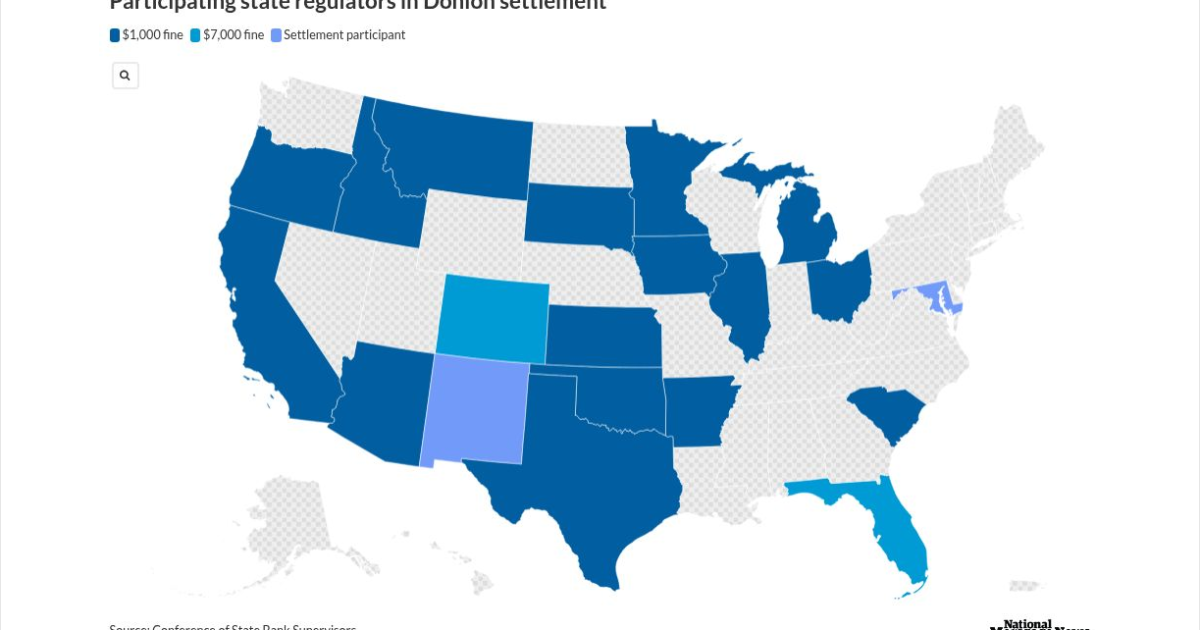
A multistate crackdown has sent shockwaves through the mortgage industry as Patrick Terrance Donlon, CEO of Trusted American Mortgage, accepted a sweeping settlement that bans him from working as a mortgage loan originator in 21 states—19 of them permanently. Regulators say Donlon had another individual complete his mandatory licensing and continuing‑education courses, a violation that triggered a coordinated investigation and a $31,000 penalty. The case underscores regulators’ growing intolerance for education fraud and serves as a sharp reminder to industry professionals: cutting corners on licensing can end careers.
Florida’s once‑booming housing market is cooling fast as rising insurance premiums, increasing foreclosures, and expanding flood zones push buyers to back out of deals and force sellers to cut prices. With insurance now adding thousands to annual housing costs, professionals across real estate, mortgage, and insurance are navigating a dramatically shifting landscape that’s redefining affordability in the Sunshine State.
Florida begins 2026 with a wave of more than 250 new laws now in effect, impacting healthcare, insurance, real estate, and consumer protections statewide. From free breast cancer screenings for state employees to tighter pet insurance regulations, mandatory healthcare refund rules, enhanced animal‑cruelty penalties, and new condo‑management requirements, these updates carry major implications for professionals navigating Florida’s evolving regulatory landscape.
Florida’s barrier islands may offer postcard-perfect beaches and soaring real estate demand, but they’re also some of the most fragile and costly places to build in the United States. With 765,000 residents living on land that shifts, sinks, and takes the brunt of every major hurricane, the financial and insurance risks are accelerating fast. From billion‑dollar beach rebuilds to towers settling into the sand, today’s coastal development challenges are reshaping conversations around property values, disclosure, and long‑term resilience. For real estate professionals, understanding these risks isn’t just smart — it’s becoming essential.
A Cedar City development is turning heads with its fresh approach to affordability. The team behind Temple View Commons is delivering luxury‑inspired twin homes at prices below the local median by using a small, hands‑on staff and cutting traditional costs like realtor commissions. In a tight Utah housing market where inventory is scarce and prices remain high, their strategy offers a realistic path to homeownership without sacrificing high‑end finishes.


 Title Insurance Leaders Double Down on Tech and Efficiency to Drive 2026 Market Momentum Gallery