A Time of Reckoning for Commercial Real Estate: What Professionals Need to Know in 2026
After years of “extend and pretend,” the commercial real estate world is officially facing its moment of truth. Banks across the nation are calling in billions of dollars in troubled office and CRE loans, pushing delinquency rates to historic highs and reshaping the future of investment strategies.
According to new data from CFO Brew, CRE analytics firm Trepp reports that more than 12% of office loans were delinquent as of January—an all‑time high. Rising interest rates, softening cash flows, and aging office properties are pushing a sector already stressed by post‑pandemic shifts into a new era of accountability.
Why Banks Are Tightening the Screws
With regulators demanding cleaner balance sheets and investors prioritizing smarter asset management, lenders have begun calling in maturing or troubled loans rather than rolling them forward. The result is a marketplace now described as “bifurcated and uneven.”
“Real estate investment normally is considered a passive kind of investment… now you need to look at the data—sales, vacancies, absorption rates—all these data-driven management metrics—in order to make a more strategic plan.”
—Maggie Hu, Baruch College Department of Real Estate
Many loans tied to older buildings or weaker office markets are performing particularly poorly. And with 17%—roughly $875 billion—of all outstanding commercial and multifamily loans maturing this year, lenders know a massive refinancing wave is coming.
Regional Banks Are Feeling the Pressure
Smaller and regional banks are carrying the heaviest burden. Their portfolios tend to be concentrated in specific local markets, meaning downturns hit harder and deeper. If losses continue to mount, lending could constrict far beyond real estate—affecting small businesses, developers, and even everyday consumers.
“Regional banks are more susceptible to the downturn in CRE markets, especially office.”
—Maggie Hu
What CRE Companies Must Do Now
For owners facing maturing loans, proactive communication is now essential. Lenders aren’t rubber‑stamping renewals anymore—meaning businesses must present data‑backed plans and realistic solutions well in advance.
“Prepare updated assessment and potential solutions, not just requests for more time.”
—Maggie Hu
What This Means for Real Estate Professionals and Students
This CRE shakeup isn’t just a headline—it’s a defining moment for career‑minded professionals. Skills such as investment analysis, market data interpretation, and portfolio management are becoming fundamental. Those who understand this evolving environment will help lead the next generation of real estate strategy.
That’s why education matters more than ever. Whether you’re building a new real estate career or branching into commercial specialties, programs at Cameron Academy help you stay informed, agile, and competitive in a market that’s changing faster than ever.
Source Spotlight
This article draws insights from an outstanding finance‑forward analysis by CFO Brew, a publication known for sharp, digestible reporting for modern professionals. Explore their original piece here:
A Time of Reckoning for Commercial Real Estate – CFO Brew
More Articles
Getting licensed or staying ahead in your career can be a journey—but it doesn’t have to be overwhelming. Grab your favorite coffee or tea, take a moment to relax, and browse through our articles. Whether you’re just starting out or renewing your expertise, we’ve got tips, insights, and advice to keep you moving forward. Here’s to your success—one sip and one step at a time!
Just 48 hours after NAR unveiled major revisions to its MLS policies, plaintiffs in the Michigan-based Hardy lawsuit moved to use those changes as evidence, arguing they prove NAR’s prior rules were anticompetitive. NAR denies any wrongdoing, but the case is quickly becoming a key test for whether MLS access should require Realtor membership — a question now echoing across multiple states and potentially reshaping how real estate professionals nationwide access the industry’s most essential tool.
Florida homeowners are now paying some of the highest insurance premiums in the country, with average costs topping $5,800 per year—nearly double the national average. Residents report skyrocketing rates, denied claims, and tough choices between costly coverage and financial risk. As frustration grows, lawmakers and consumer advocates are pushing new reforms aimed at increasing transparency, capping rate hikes, and protecting policyholders in one of the nation’s most volatile insurance markets.
Economic uncertainty, rapid AI adoption, tighter capital flows, and rising portfolio risk are reshaping the 2026 commercial real estate landscape. From shifting workforce patterns to a national housing attainability crisis, the industry is entering a data‑driven, fundamentals‑focused era—making adaptability, education, and tech literacy essential for real estate professionals.
Mortgage rates have climbed to 6.23 percent as investors grow doubtful that the Federal Reserve will deliver a rate cut in December. A soft but unclear jobs report and persistent inflation have pushed borrowing costs higher, reversing October’s brief relief in the housing market. Real estate and mortgage professionals should prepare clients for continued volatility as the Fed’s December meeting approaches.
After years of tight inventory, high mortgage rates, and sluggish sales, economists say 2026 is shaping up to be the turnaround real estate professionals have been waiting for. NAR projects a 14 percent jump in home sales, mortgage rates easing toward 6 percent, and buyer demand finally gaining momentum. While higher‑end homes are moving quickly, first‑time buyers continue to face affordability challenges, and price reductions are reappearing as sellers adjust to shifting conditions. For Florida agents, brokers, and newcomers, the stage is being set for a busy and opportunity‑rich year.
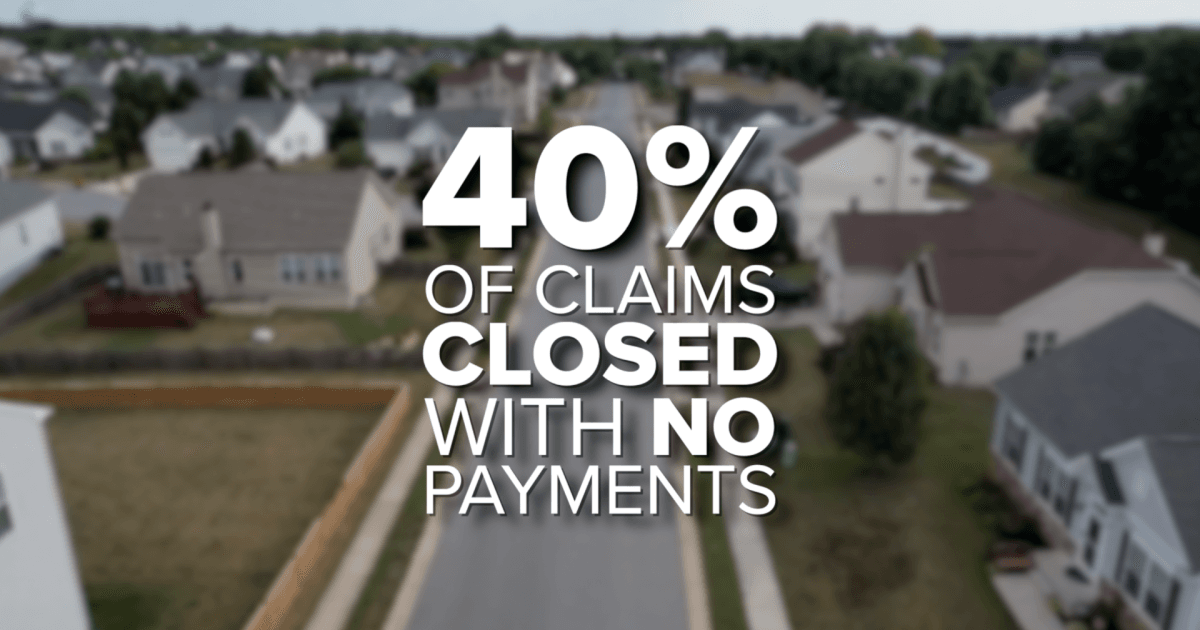
Florida’s average homeowner insurance premium has soared to $5,838 a year—almost $3,000 above the national average—pushing many residents to the financial brink. From tripled premiums to lowball claim payouts, homeowners are speaking out as frustration mounts. Some are even dropping coverage entirely. With more than 40% of claims closed without payment and policy cancellations at record levels, lawmakers are pushing for reforms, but political hurdles remain. The outcome could reshape Florida real estate, insurance, and mortgage markets for years to come.