After years of stretching loan terms and hoping the market would rebound on its own, banks across the country are finally calling in billions of dollars tied to troubled commercial real estate. The result? Default rates are breaking records and reigniting anxiety throughout the finance and property sectors.
According to the research firm Trepp, more than 12% of office loans were delinquent as of January—an all‑time high. With interest rates rising since 2022 and office revenues shrinking, banks have spent years modifying and reclassifying loans just to keep borrowers afloat. But now, the bill is coming due.
Assistant professor Maggie Hu from Baruch College’s Department of Real Estate told CFO Brew that many loans simply “don’t refinance cleanly” anymore. Weak cash flows, lower valuations, and shifting office demand have transformed what once was a stable sector into a puzzle of declining returns and hard decisions.
The End of “Extend and Pretend”
The pandemic left offices empty as remote work surged—yet lenders largely chose to extend maturing loans rather than confront the steep drop in value. That strategy temporarily kept the market afloat, but now banks face pressure from investors and regulators to clean up their balance sheets.
This urgency has created what Hu describes as a “bifurcated and uneven” industry. Older or less desirable buildings are suffering the most, while newer, flexible spaces continue attracting tenants.
Adding to the pressure, $875 billion in commercial and multifamily loans—about 17% of all outstanding debt—is set to mature in 2026, according to the Mortgage Bankers Association. Even though this is slightly lower than last year, it remains historically high and signals a difficult refinancing wave ahead.
Regional Banks in the Hot Seat
Smaller regional banks are feeling the strain. Because they typically hold more localized commercial portfolios, they are more exposed to office-sector declines. If losses rise beyond tolerable levels, lending standards across all industries—not just real estate—could tighten dramatically.
This means capital becomes harder to access, growth slows, and ripple effects could spread across the economy. For many real estate, finance, mortgage, and insurance professionals, this is a defining moment.
What CRE Companies Must Do Now
For commercial real estate owners facing upcoming loan maturities, preparation is everything. Hu advises companies to engage lenders early, present updated assessments, and offer realistic solutions rather than simply asking for more time.
“Communicating effectively with lenders is essential,” Hu emphasized, noting that renewals are no longer guaranteed in today’s environment.
Why This Matters for Today’s Professionals
Whether you’re in real estate, finance, lending, investment, or risk management, shifting commercial property dynamics are reshaping the professional landscape. Understanding data-driven management—vacancy trends, absorption rates, tenant strategy—is now essential.
For those looking to elevate their expertise, schools like Cameron Academy provide cutting-edge courses to keep professionals informed and competitive. From Florida real estate licensing to continuing education across multiple industries, staying ahead has never been more important.
Getting licensed or staying ahead in your career can be a journey—but it doesn’t have to be overwhelming. Grab your favorite coffee or tea, take a moment to relax, and browse through our articles. Whether you’re just starting out or renewing your expertise, we’ve got tips, insights, and advice to keep you moving forward. Here’s to your success—one sip and one step at a time!
November marked another cooldown for commercial real estate, with total deal volume dropping 10% year over year and falling below even 2020’s levels. While overall activity is slowing, investors are concentrating their money on bigger, more resilient assets—driving a 51% surge in deals over $100 million and pushing average transaction sizes well above historical norms. Multifamily remains the strongest sector, office deals are becoming more strategically focused, and medical office and data centers continue to outperform as long‑term demand stays solid.
After years of stalled activity, commercial real estate may finally be nearing a rebound. Experts say that expected interest‑rate drops in 2026 could reignite investor confidence, unlock sidelined capital, and boost deal flow across multiple sectors. But the outlook isn’t uniformly sunny—multifamily faces oversupply, industrial is cooling after years of rapid growth, and weakening employment conditions may slow absorption. For professionals across real estate, mortgage, insurance, and finance, the shifting landscape presents both challenges and major opportunities for those who stay informed and properly licensed.
Consumer Reports delivered a major warning to Congress, highlighting how rapidly expanding fintech tools—especially AI‑driven platforms—are outpacing consumer protections. In testimony before the House Subcommittee on Digital Assets, Financial Technology and AI, CR called for stronger, clearer rules to prevent hidden fees, predatory practices, and confusion within digital financial products. For professionals in real estate, mortgages, insurance, and finance, these emerging regulations may soon influence lending decisions, underwriting, credit evaluations, and compliance expectations across the industry.
Amazon is preparing to cut up to 30,000 corporate jobs by mid‑2026 as it pivots aggressively toward automation and AI. Following 14,000 layoffs in late 2025, the company is eliminating layers of management to redirect billions into robotics, generative AI systems, and supercomputing partnerships. While warehouse hiring continues for seasonal demand, Amazon’s internal shift reveals a broader nationwide trend: white‑collar roles across tech, finance, logistics, and more are being reshaped by automation at unprecedented speed.
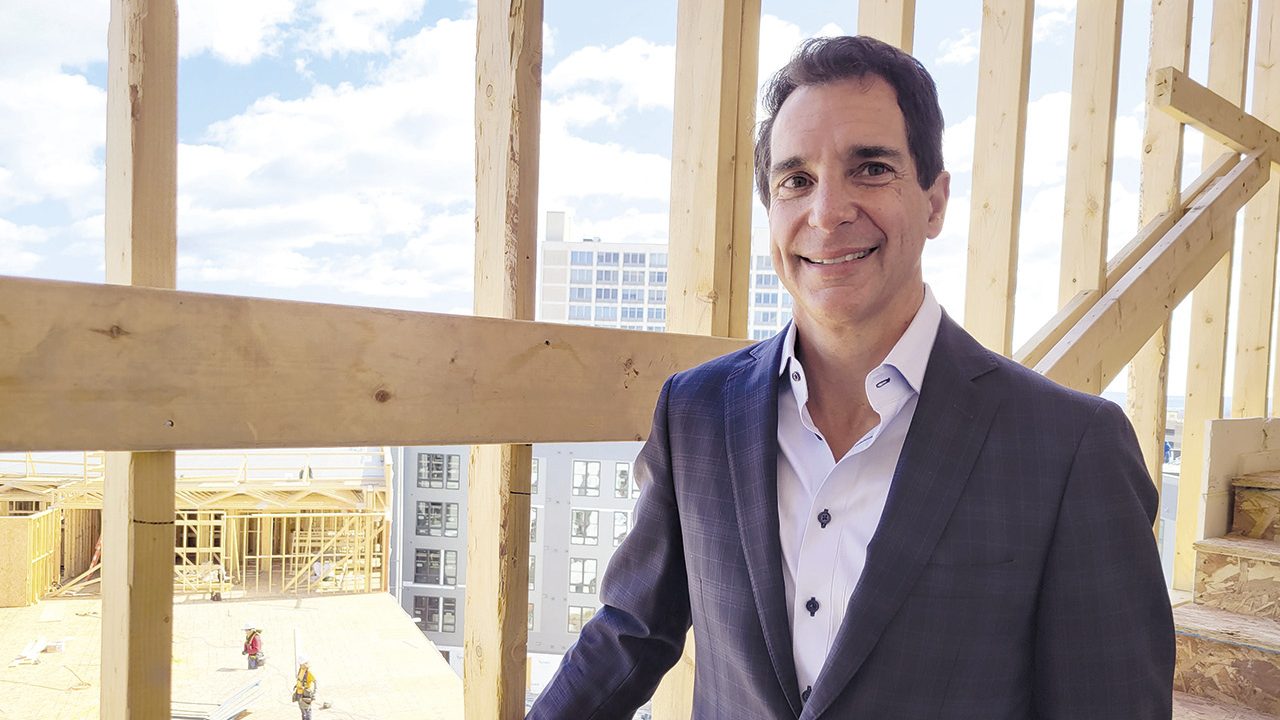
Florida’s real estate market enters 2026 with new leadership at the helm as Chuck Bonfiglio, broker-owner of AAA Realty Group, is officially installed as President of Florida Realtors. With more than 230,000 members behind the association, Bonfiglio highlights affordability, insurance reform, and taxes as key priorities while expressing optimism about easing mortgage rates, stabilizing prices, and growing inventory. Backed by years of statewide and national Realtor leadership, he aims to guide professionals through another transformative year alongside a newly appointed 2026 leadership team.
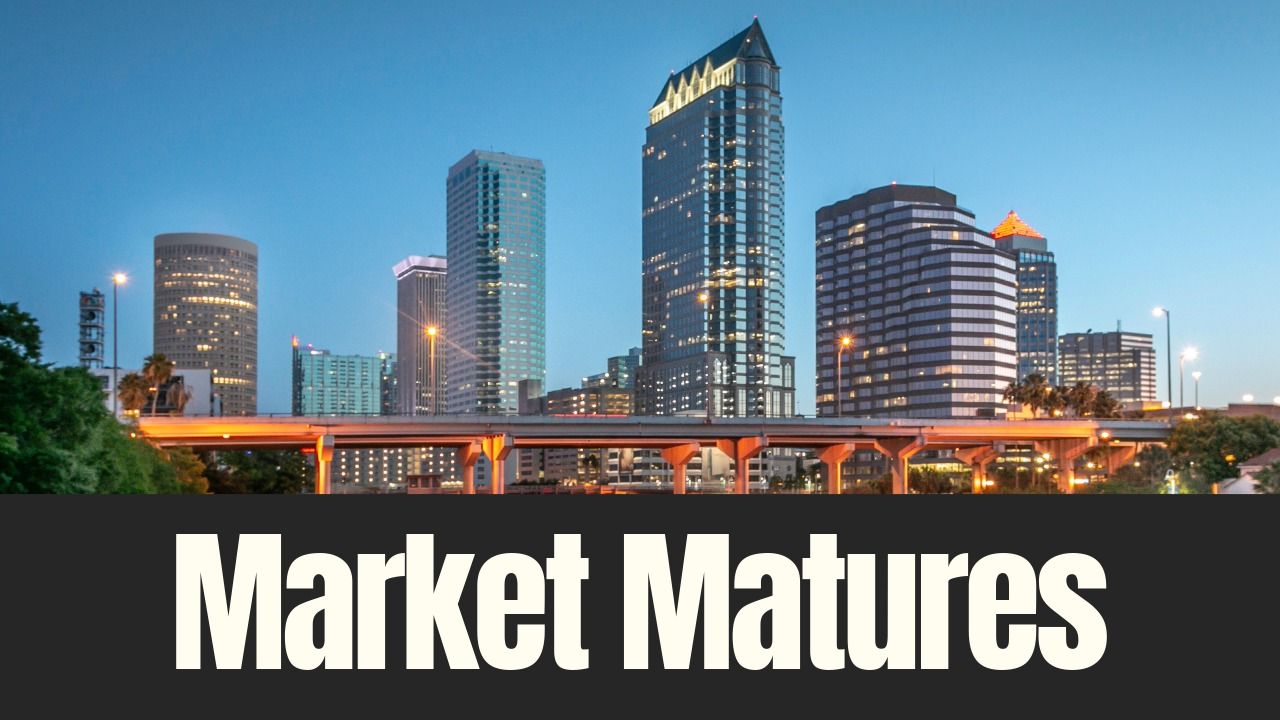
Tampa isn’t cooling off—it’s getting smarter. After years of rapid expansion, the city’s commercial real estate market has shifted into a more disciplined, selective phase. Population growth remains strong, office leasing is outperforming national trends, industrial activity is normalizing sustainably, and retail is seeing renewed investor confidence. With capital becoming more cautious and health care real estate emerging as a major growth sector, Tampa is entering a new era focused on strategy, execution, and long‑term fundamentals.