After years of stretching loan terms and hoping the market would rebound on its own, banks across the country are finally calling in billions of dollars tied to troubled commercial real estate. The result? Default rates are breaking records and reigniting anxiety throughout the finance and property sectors.
According to the research firm Trepp, more than 12% of office loans were delinquent as of January—an all‑time high. With interest rates rising since 2022 and office revenues shrinking, banks have spent years modifying and reclassifying loans just to keep borrowers afloat. But now, the bill is coming due.
Assistant professor Maggie Hu from Baruch College’s Department of Real Estate told CFO Brew that many loans simply “don’t refinance cleanly” anymore. Weak cash flows, lower valuations, and shifting office demand have transformed what once was a stable sector into a puzzle of declining returns and hard decisions.
The End of “Extend and Pretend”
The pandemic left offices empty as remote work surged—yet lenders largely chose to extend maturing loans rather than confront the steep drop in value. That strategy temporarily kept the market afloat, but now banks face pressure from investors and regulators to clean up their balance sheets.
This urgency has created what Hu describes as a “bifurcated and uneven” industry. Older or less desirable buildings are suffering the most, while newer, flexible spaces continue attracting tenants.
Adding to the pressure, $875 billion in commercial and multifamily loans—about 17% of all outstanding debt—is set to mature in 2026, according to the Mortgage Bankers Association. Even though this is slightly lower than last year, it remains historically high and signals a difficult refinancing wave ahead.
Regional Banks in the Hot Seat
Smaller regional banks are feeling the strain. Because they typically hold more localized commercial portfolios, they are more exposed to office-sector declines. If losses rise beyond tolerable levels, lending standards across all industries—not just real estate—could tighten dramatically.
This means capital becomes harder to access, growth slows, and ripple effects could spread across the economy. For many real estate, finance, mortgage, and insurance professionals, this is a defining moment.
What CRE Companies Must Do Now
For commercial real estate owners facing upcoming loan maturities, preparation is everything. Hu advises companies to engage lenders early, present updated assessments, and offer realistic solutions rather than simply asking for more time.
“Communicating effectively with lenders is essential,” Hu emphasized, noting that renewals are no longer guaranteed in today’s environment.
Why This Matters for Today’s Professionals
Whether you’re in real estate, finance, lending, investment, or risk management, shifting commercial property dynamics are reshaping the professional landscape. Understanding data-driven management—vacancy trends, absorption rates, tenant strategy—is now essential.
For those looking to elevate their expertise, schools like Cameron Academy provide cutting-edge courses to keep professionals informed and competitive. From Florida real estate licensing to continuing education across multiple industries, staying ahead has never been more important.
Getting licensed or staying ahead in your career can be a journey—but it doesn’t have to be overwhelming. Grab your favorite coffee or tea, take a moment to relax, and browse through our articles. Whether you’re just starting out or renewing your expertise, we’ve got tips, insights, and advice to keep you moving forward. Here’s to your success—one sip and one step at a time!
Fort Myers Beach is becoming the front line of a new Florida—one shaped by hurricane devastation, soaring insurance premiums, and rapid gentrification. Three years after Hurricane Ian, residents are still battling massive rebuilding costs and insurance bills that now exceed $5,700 a year on average, with flood insurance reaching $10,000 for some families. Long-time locals, small businesses, and service workers are being priced out as wealthy investors move in, transforming once-affordable coastal communities. Real estate professionals warn that foreclosures may rise if economic pressures continue, signaling a pivotal moment for Florida’s housing market and the professionals who serve it.
Economic uncertainty, AI disruption, slowing population growth, and rising portfolio risk are reshaping commercial real estate heading into 2026. A new report unveiled at NAR NXT highlights the forces that will reward informed professionals — and challenge those who aren’t prepared. From fiscal policy and shifting capital flows to tech transformation and housing shortages, the landscape is evolving fast. Cameron Academy breaks down the key issues so real estate, mortgage, finance, and insurance professionals can stay ahead of the curve.
A sudden federal shutdown of FEMA’s BRIC resiliency program has left cities and commercial property owners scrambling, exposing billions in real estate to rising climate threats. With nearly a billion dollars in mitigation funding clawed back and extreme weather intensifying, insurance premiums are expected to surge and coverage may shrink — placing new pressure on markets like Florida and New York.
A new Florida Senate bill aims to stop cities and counties from blocking residential developments over vague “compatibility” concerns. Supporters say the measure would speed up homebuilding and ease housing shortages, while opponents argue it strips communities of essential oversight and could accelerate growth without proper planning. The proposal could reshape development timelines and land-use decisions statewide, making it a major issue for real estate professionals to watch.
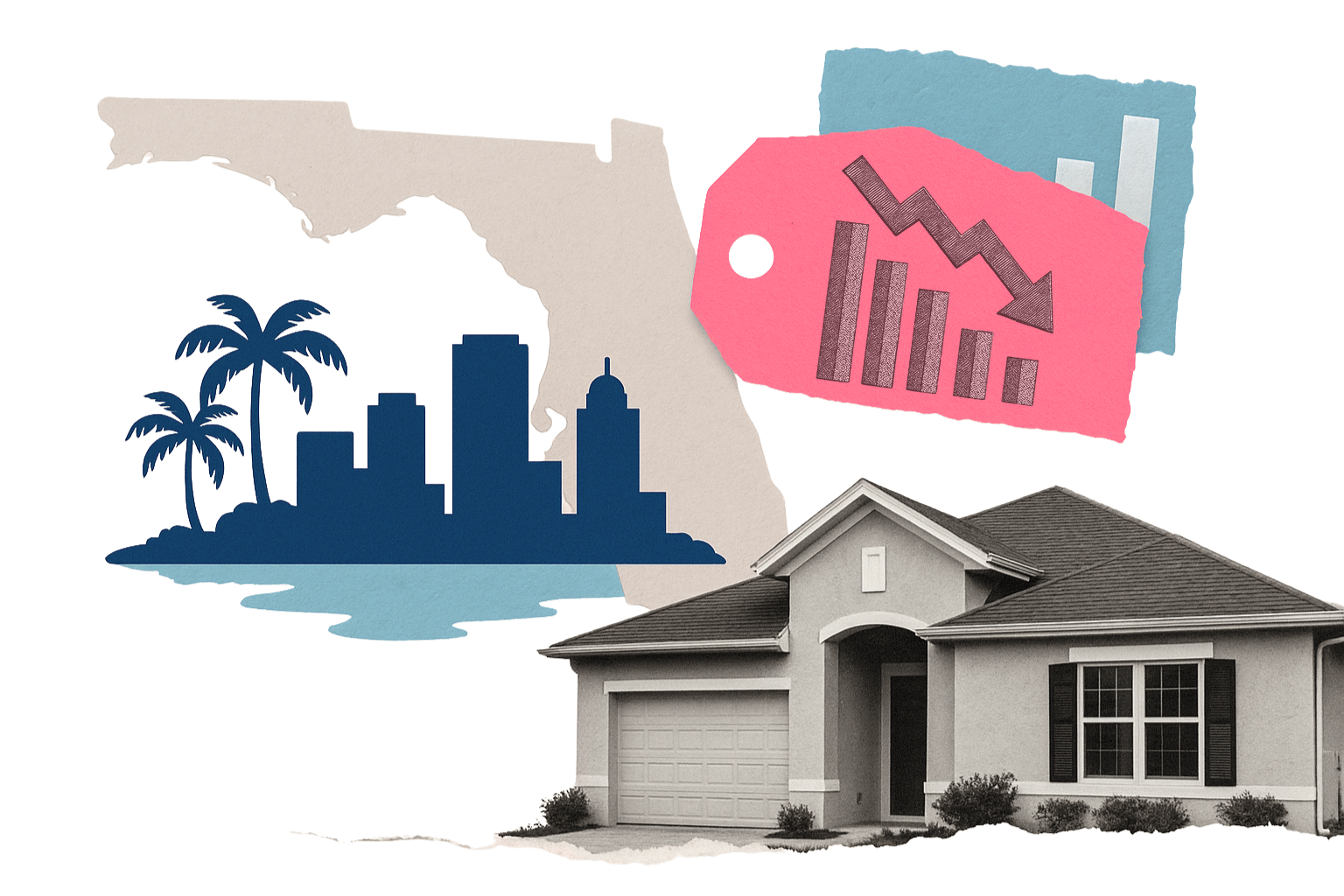
Cape Coral–Fort Myers has officially moved into buyer-friendly territory, with homes now sitting a median 119 days on the market—far longer than both the Florida and U.S. averages. Rising inventory, a 36.9 percent price‑reduction rate, and slower absorption compared to accumulated supply are giving buyers more leverage and time to negotiate, signaling a meaningful reset in this once‑fast‑moving Florida market.
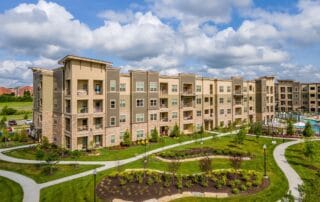
Kansas City’s commercial real estate sector is finally turning a corner after several years of sluggish activity. Retail is leading the rebound, while multifamily and industrial properties are gaining traction as pricing stabilizes and buyer confidence returns. A standout 2025 transaction—the sale of the 380‑unit Cyan Southcreek community—signals that capital is flowing back into the market. With bid‑ask spreads tightening and investor optimism rising, Kansas City is entering a period of renewed opportunity for real estate professionals and investors alike.


 Florida’s Middle Class Is Being Squeezed Out: Insurance Costs, Rebuilding Struggles, and a Changing Coastline Gallery