In the ever-shifting landscape of financial markets, the pursuit of wealth is a journey fraught with uncertainty and volatility. As investors grapple with the tumultuous waves of economic conditions, high inflation, and interest rates, a beacon of stability emerges through the diversification of portfolios with alternative assets.

Market volatility, characterized by frequent and significant price movements, remains a formidable challenge for investors. While the S&P 500 typically experiences daily fluctuations of +/-0.5%, recent events have underscored the potential for more dramatic swings. Notable historical downturns, such as the 1987 Flash Crash and the 2008 Financial Crisis, serve as stark reminders of the market’s unpredictability.

In this climate of uncertainty, the demand for volatility index (VIX) options has soared, reaching a six-year high in April 2024. This surge reflects the heightened anticipation of market turbulence among investors.

To mitigate these risks, diversification emerges as a prudent strategy. By spreading investments across a spectrum of assets, investors can cushion the impact of market downturns. Traditionally, portfolios have been divided between stocks and bonds, but recent trends highlight the need for broader diversification. As noted in a KKR report, portfolios incorporating alternative assets such as private equity, hedge funds, and commodities have demonstrated resilience and superior returns.

The accessibility of alternative assets has expanded, thanks to platforms like Alto Solutions, founded by Eric Satz. These platforms empower everyday investors to explore opportunities in private equity, real estate, and cryptocurrencies, providing a hedge against traditional market fluctuations.

However, investors must approach diversification with careful consideration. Understanding one’s risk tolerance and financial goals is paramount, as alternative assets often require longer commitments and may lack liquidity. Consulting with financial advisors can provide valuable insights as investors navigate this complex landscape.

As we look to the future, the interplay of political dynamics, climate change, and technological advancements like artificial intelligence will continue to shape market conditions. In this evolving environment, proactive risk management through diversification remains a cornerstone of financial stability.

For a deeper dive into this topic, the original article on Forbes offers valuable perspectives on achieving portfolio diversification through alternative assets.

More Articles

Getting licensed or staying ahead in your career can be a journey—but it doesn’t have to be overwhelming. Grab your favorite coffee or tea, take a moment to relax, and browse through our articles. Whether you’re just starting out or renewing your expertise, we’ve got tips, insights, and advice to keep you moving forward. Here’s to your success—one sip and one step at a time!

Free Money in 2026? The Truth About the DOGE Dividend Stimulus Check

The DOGE Dividend: What You Need to Know About the Proposed 2026 Stimulus Check Hey there! If you’ve been wondering #ReadMore

Navigating Seller’s Market: Twin Cities Housing Trends and Predictions for 2024

The Minneapolis housing market is currently navigating a complex terrain, marked by a curious blend of optimism and caution. In 2024, home sales in the Twin Cities area experienced a modest uptick of 1.8%.

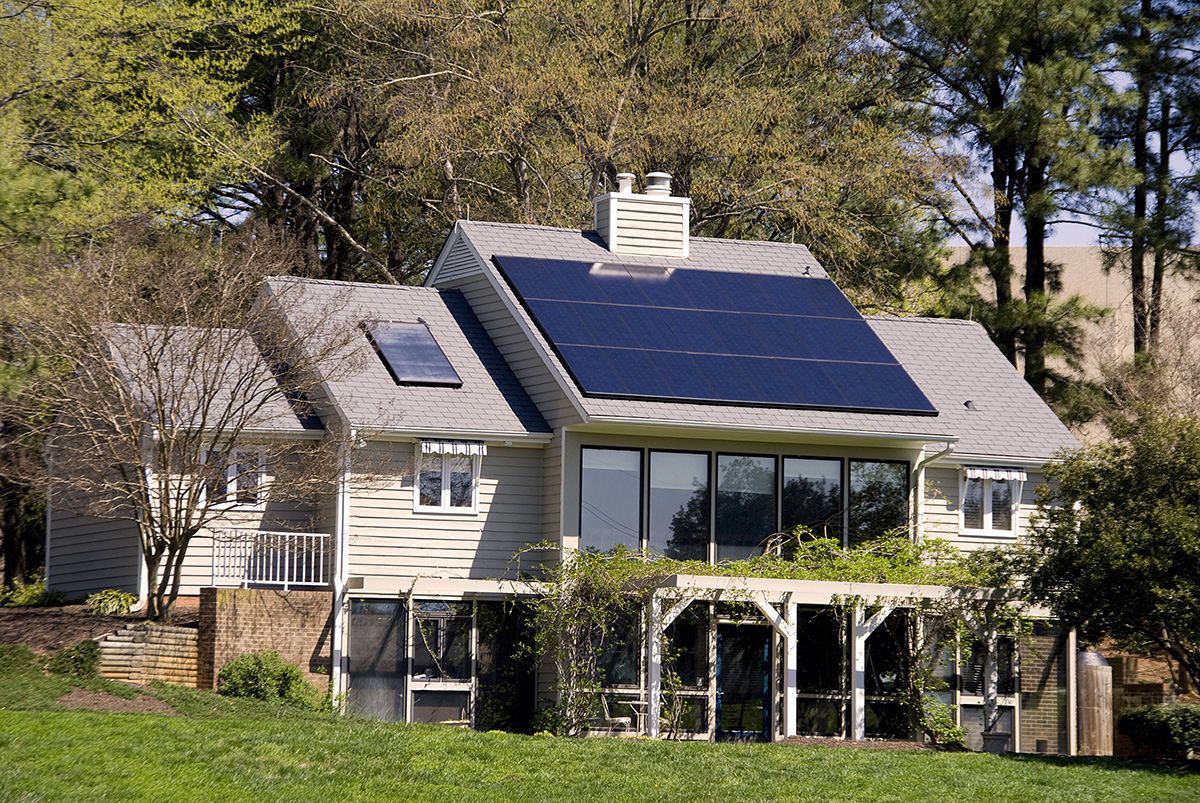
Future Homes: Sustainability and Smart Technology Shaping Real Estate

In the ever-evolving landscape of real estate, two groundbreaking trends are shaping the homes of tomorrow: sustainability and smart home technology. As consumers become increasingly aware of their environmental impact and as technology continues to advance at lightning speed, these trends are significantly influencing buying decisions in the residential real estate market.

By |February 25, 2025|Categories: Article, Real Estate, Technology|Tags: , |0 Comments

Harvard Study Projects Dramatic Slowdown in U.S. Household Growth

In a comprehensive analysis by Harvard's Joint Center for Housing Studies, there is a projected increase of 8.6 million households in the United States from 2025 to 2035. This equates to approximately 860,000 new households per year, marking a significant deceleration compared to the post-Great Recession era, which saw a sluggish yet larger gain of 10.1 million households.

By |February 24, 2025|Categories: Article, Demographics, Housing|Tags: , |0 Comments

AI Revolutionizing Real Estate: Predicting Trends and Values

The real estate industry, often seen as conservative, is gradually embracing technological advancements with AI leading the charge. Generative AI is already revolutionizing real estate marketing by enhancing customer experiences and optimizing content creation.

By |February 24, 2025|Categories: Article, Real Estate, Technology/AI|Tags: , |0 Comments

In-Person Work Policies: A Beacon of Hope for Commercial Real Estate

With office occupancy plummeting by 90% from February to March 2020, the impact of remote work was palpable. However, the researchers found that hybrid mandates and adding more in-office days could mitigate some of these challenges.