In the ever-shifting landscape of financial markets, the pursuit of wealth is a journey fraught with uncertainty and volatility. As investors grapple with the tumultuous waves of economic conditions, high inflation, and interest rates, a beacon of stability emerges through the diversification of portfolios with alternative assets.

Market volatility, characterized by frequent and significant price movements, remains a formidable challenge for investors. While the S&P 500 typically experiences daily fluctuations of +/-0.5%, recent events have underscored the potential for more dramatic swings. Notable historical downturns, such as the 1987 Flash Crash and the 2008 Financial Crisis, serve as stark reminders of the market’s unpredictability.

In this climate of uncertainty, the demand for volatility index (VIX) options has soared, reaching a six-year high in April 2024. This surge reflects the heightened anticipation of market turbulence among investors.

To mitigate these risks, diversification emerges as a prudent strategy. By spreading investments across a spectrum of assets, investors can cushion the impact of market downturns. Traditionally, portfolios have been divided between stocks and bonds, but recent trends highlight the need for broader diversification. As noted in a KKR report, portfolios incorporating alternative assets such as private equity, hedge funds, and commodities have demonstrated resilience and superior returns.

The accessibility of alternative assets has expanded, thanks to platforms like Alto Solutions, founded by Eric Satz. These platforms empower everyday investors to explore opportunities in private equity, real estate, and cryptocurrencies, providing a hedge against traditional market fluctuations.

However, investors must approach diversification with careful consideration. Understanding one’s risk tolerance and financial goals is paramount, as alternative assets often require longer commitments and may lack liquidity. Consulting with financial advisors can provide valuable insights as investors navigate this complex landscape.

As we look to the future, the interplay of political dynamics, climate change, and technological advancements like artificial intelligence will continue to shape market conditions. In this evolving environment, proactive risk management through diversification remains a cornerstone of financial stability.

For a deeper dive into this topic, the original article on Forbes offers valuable perspectives on achieving portfolio diversification through alternative assets.

More Articles

Getting licensed or staying ahead in your career can be a journey—but it doesn’t have to be overwhelming. Grab your favorite coffee or tea, take a moment to relax, and browse through our articles. Whether you’re just starting out or renewing your expertise, we’ve got tips, insights, and advice to keep you moving forward. Here’s to your success—one sip and one step at a time!

The Digital Healthcare Revolution: Transforming Patient Care with Technology

The global digital health market is set to skyrocket, with projections estimating it will reach $551.09 billion by 2027. This growth is fueled by innovations that are setting new benchmarks in healthcare delivery.

By |November 28, 2024|Categories: Article, Healthcare, Technology|Tags: , |0 Comments

University of Pennsylvania Pioneers the Planetary Health Curriculum

This innovative program equips medical students with the knowledge to understand and mitigate the effects of climate change on human health.

The Deep-Learning Triple Threat Transforming Medical Imaging

AI is being hailed as a "triple threat" in radiology, impacting planning, scanning, and diagnosis. As detailed in a recent column by Kelly Londy of GE HealthCare, these intelligent imaging systems are ushering in seismic changes reminiscent of the transformative impact of computer-assisted tomography in the late 20th century.

Federal Reserve’s Interest Rate Cut: Implications for the Housing Market

In a significant move that has captured the attention of economists and homebuyers alike, the Federal Reserve recently announced a half-percentage-point cut in interest rates. This decision is poised to bring about notable changes in the housing market, though not all effects may be beneficial for prospective homeowners.

By |November 27, 2024|Categories: Article, Economics, Real Estate|Tags: , |0 Comments

Public Perceptions of AI in Healthcare: A Balancing Act Between Innovation and Ethics

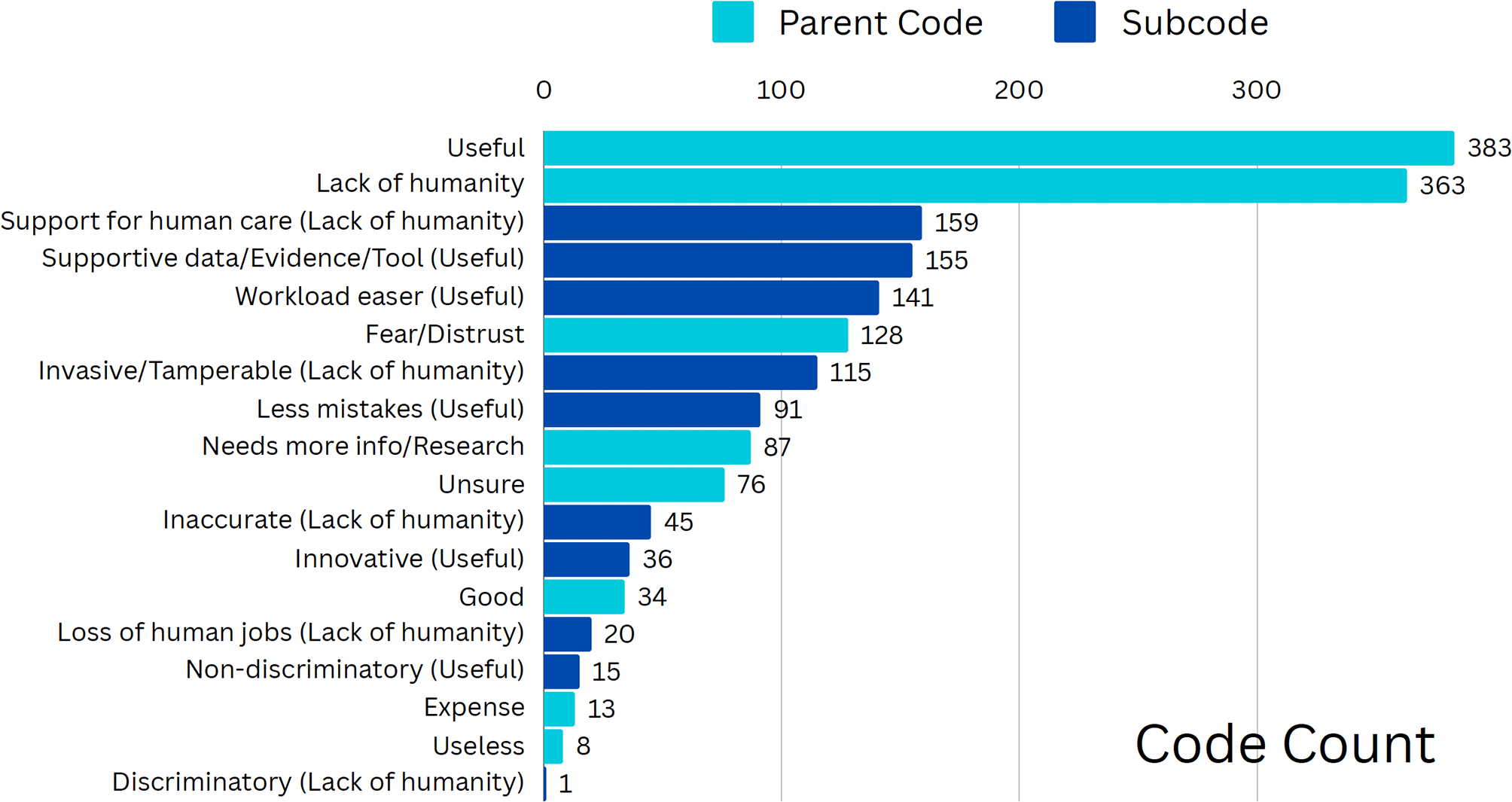
In the rapidly evolving landscape of healthcare, the integration of artificial intelligence (AI) stands as a beacon of both promise and concern. The research underscores a significant tension: while AI has the capability to enhance healthcare delivery, there is palpable unease about its impact on the traditional physician-patient relationship.

By |November 27, 2024|Categories: Article, Ethics, Healthcare|Tags: , |0 Comments

The Ethical Dilemmas of AI: A Modern Conundrum

As artificial intelligence (AI) technology advances, it presents a myriad of ethical dilemmas and challenges that demand urgent attention. The USC Annenberg School for Communication and Journalism recently explored these pressing issues, highlighting the complexities involved in AI's deployment.

By |November 27, 2024|Categories: Article, Ethics, Technology|Tags: , |0 Comments