In the ever-shifting landscape of financial markets, the pursuit of wealth is a journey fraught with uncertainty and volatility. As investors grapple with the tumultuous waves of economic conditions, high inflation, and interest rates, a beacon of stability emerges through the diversification of portfolios with alternative assets.

Market volatility, characterized by frequent and significant price movements, remains a formidable challenge for investors. While the S&P 500 typically experiences daily fluctuations of +/-0.5%, recent events have underscored the potential for more dramatic swings. Notable historical downturns, such as the 1987 Flash Crash and the 2008 Financial Crisis, serve as stark reminders of the market’s unpredictability.

In this climate of uncertainty, the demand for volatility index (VIX) options has soared, reaching a six-year high in April 2024. This surge reflects the heightened anticipation of market turbulence among investors.

To mitigate these risks, diversification emerges as a prudent strategy. By spreading investments across a spectrum of assets, investors can cushion the impact of market downturns. Traditionally, portfolios have been divided between stocks and bonds, but recent trends highlight the need for broader diversification. As noted in a KKR report, portfolios incorporating alternative assets such as private equity, hedge funds, and commodities have demonstrated resilience and superior returns.

The accessibility of alternative assets has expanded, thanks to platforms like Alto Solutions, founded by Eric Satz. These platforms empower everyday investors to explore opportunities in private equity, real estate, and cryptocurrencies, providing a hedge against traditional market fluctuations.

However, investors must approach diversification with careful consideration. Understanding one’s risk tolerance and financial goals is paramount, as alternative assets often require longer commitments and may lack liquidity. Consulting with financial advisors can provide valuable insights as investors navigate this complex landscape.

As we look to the future, the interplay of political dynamics, climate change, and technological advancements like artificial intelligence will continue to shape market conditions. In this evolving environment, proactive risk management through diversification remains a cornerstone of financial stability.

For a deeper dive into this topic, the original article on Forbes offers valuable perspectives on achieving portfolio diversification through alternative assets.

More Articles

Getting licensed or staying ahead in your career can be a journey—but it doesn’t have to be overwhelming. Grab your favorite coffee or tea, take a moment to relax, and browse through our articles. Whether you’re just starting out or renewing your expertise, we’ve got tips, insights, and advice to keep you moving forward. Here’s to your success—one sip and one step at a time!

South Florida Housing Market Gains Momentum for 2026 as Mortgage Rates Decline

Lower interest rates, improving buyer confidence, and a resilient job market are setting the stage for a stronger South Florida real estate landscape in 2026. After a steadier‑than‑expected 2025, single‑family homes remain competitive, condos are stabilizing despite regulatory pressures, and commercial real estate continues to outperform national trends — giving industry professionals plenty to watch in the year ahead.

2026 Housing Market Outlook: Are We Finally Heading Toward Stability?

Economists across the housing industry are signaling that 2026 may finally bring a true market rebalance. With mortgage rates expected to ease, inventory slowly expanding and affordability showing its first real improvement in years, home sales could climb by 14% nationwide. Prices are projected to rise only modestly, builders are ramping up cautiously and shifting demographics are reshaping who’s buying—and what they’re looking for. For real estate and finance professionals, this more active and balanced landscape sets the stage for a strong year of opportunity.

Lower Interest Rates Spark New Optimism in South Florida’s 2026 Real Estate Market

South Florida enters 2026 with renewed confidence as easing mortgage rates, a solid job market, and stabilizing housing trends breathe life back into both single‑family and condo sectors. After an uneven 2025 marked by high costs and condo‑related challenges, lower borrowing rates are drawing buyers back, encouraging more homeowners to list, and positioning the region for a more balanced — though still competitive — year ahead.

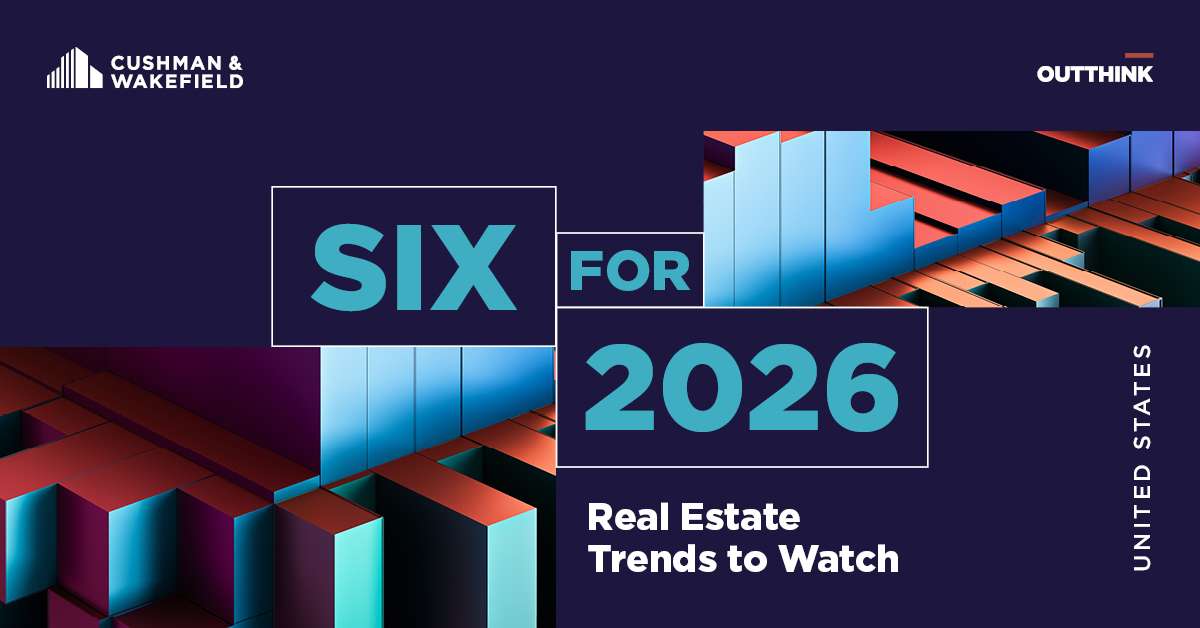
Six Real Estate Trends Reshaping the U.S. Market in 2026

The U.S. real estate landscape is entering a defining year, driven by AI innovation, reimagined office spaces, immersive retail, and resilient industrial growth. Investors are becoming more selective, while ESG expectations are solidifying into essential standards for value and tenant demand. For professionals looking to stay competitive in 2026, understanding these shifts—and upskilling accordingly—will be key to navigating an industry rapidly transforming in real time.

Conforming Mortgage Credit Availability Plunges to Record Low as Lenders Tighten Standards

Conforming mortgage credit has dropped to its lowest level since the MBA began tracking it in 2011, signaling a major tightening in loan options as 2026 begins. December’s Mortgage Credit Availability Index fell 2.6%, driven by shrinking ARM offerings, fewer cash‑out refi programs, and stricter documentation requirements. With conforming loans seeing the sharpest decline—down 3.8%—both buyers and mortgage professionals face a more challenging lending landscape that demands stronger financial profiles and up‑to‑date industry knowledge.

Creative Strategies Are Finally Helping First-Time Buyers Break Into the 2026 Housing Market

A new NAR outlook shows that first-time buyers may finally be gaining traction in 2026 as rising inventory, easing rates, and creative financing strategies open long-awaited pathways into homeownership. From ARMs and government-backed loans to family support, grants, and co-buying, younger buyers are finding new ways to “make the math work.” Builders are also stepping in with incentives and expanded townhome construction, signaling a slow but meaningful shift toward improved affordability.