Adapting Glaucoma Training and Treatment: Insights from the Orbis Flying Eye Hospital
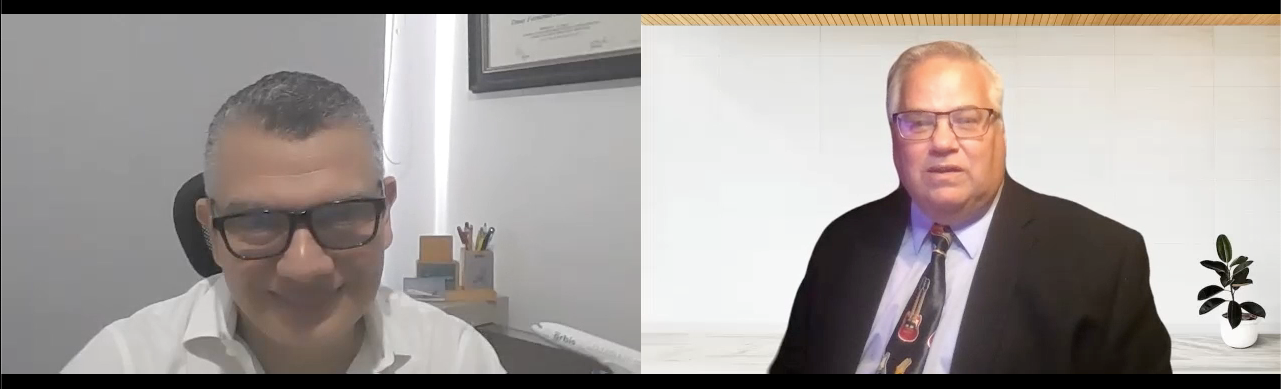
In a recent discussion with Ophthalmology Times, Dr. Omar Salamanca, MD, a staff ophthalmologist at the Orbis Flying Eye Hospital, shed light on the innovative approaches being employed to combat glaucoma in underserved regions. These tailored programs are designed to empower local medical teams by enhancing surgical skills, implementing early detection protocols, and integrating telemedicine advancements to ultimately prevent blindness.
Understanding Local Needs
Dr. Salamanca emphasized the importance of understanding the specific needs of each region. “We design our programs based on necessity, ranging from basic to advanced training,” he explained. This involves conducting preliminary visits to assess the existing ophthalmological capabilities and gaps, allowing Orbis to tailor their training programs accordingly.
Harnessing the Power of Telemedicine
A significant advancement in their initiative is the incorporation of telemedicine through the Cybersight platform. This resource provides virtual mentorship, real-time expert consultations, and AI-driven diagnostic support, making glaucoma care more accessible worldwide. “Cybersight enables doctors to connect with glaucoma experts globally, ensuring timely interventions and continuous education,” said Dr. Salamanca.
Overcoming Challenges in Underserved Regions
The challenges in underserved regions are addressed by improving both clinical and surgical skills. The Flying Eye Hospital serves as a platform for simulation training, allowing local doctors to practice techniques like trabeculectomies and MIGS (Minimally Invasive Glaucoma Surgery) on models before performing on patients. Feedback and outcomes are monitored closely to maintain high medical standards.
Promoting Early Detection and Awareness
Dr. Salamanca highlighted the broader goal of the program: enhancing early detection and awareness. This involves educating not just ophthalmologists but also general practitioners and nurses on identifying risk factors and conducting preliminary assessments. Collaborations with local governments further raise awareness about blindness prevention, emphasizing the importance of early-stage glaucoma screening.
Positive Feedback from Trainees
The feedback from trainees who have undergone the Orbis program is overwhelmingly positive. Participants not only gain valuable skills but also become part of an expanding professional community dedicated to ongoing learning and collaboration in glaucoma care.
For more insights into the Orbis glaucoma training programs, visit the original article on Ophthalmology Times.
More Articles
Getting licensed or staying ahead in your career can be a journey—but it doesn’t have to be overwhelming. Grab your favorite coffee or tea, take a moment to relax, and browse through our articles. Whether you’re just starting out or renewing your expertise, we’ve got tips, insights, and advice to keep you moving forward. Here’s to your success—one sip and one step at a time!
Illinois kicked off the new year with more than 200 laws taking effect, impacting professionals across healthcare, insurance, real estate, education, and other regulated industries. From major healthcare coverage expansions to new AI hiring limits, enhanced worker protections, school safety reforms, and upgraded public‑safety standards, nearly every sector will see meaningful changes. As compliance expectations grow, institutions like Cameron Academy help professionals stay prepared and career‑ready in an evolving regulatory landscape.
As commercial real estate moves beyond two turbulent years, 2026 is emerging as a year of growth for professionals who know where to look. According to First American economist Xander Snyder, the biggest wins may come not from booming sectors but from distressed properties—especially those with short‑term issues that can recover with creative financing, recapitalization, or strategic repositioning. Multifamily distress, selective office restructuring, and the rise of non‑QM lending are setting the stage for brokers, investors, and new licensees to capitalize on flexible deal‑making and evolving market conditions.
Housing is taking over the national spotlight in 2026, with federal leaders, big‑city mayors, and market professionals all zeroing in on affordability, supply, and sweeping policy changes. From President Trump’s promised reform agenda to looming Section 8 funding risks and aggressive city‑level zoning overhauls, the year is shaping up to be one of the most consequential periods for real estate and related licensed professions. For agents, mortgage brokers, insurance specialists, and anyone tied to the housing ecosystem, rapid shifts in policy and market conditions make 2026 a year where preparation, education, and adaptability will be essential.
A lender wires $4.2 million after receiving what sounded like a routine call from a borrower’s attorney—same voice, same tone, same mannerisms. By morning, the truth emerges: the email was hacked, the phone call was an AI‑generated voice clone, and the money is gone. As scammers use AI to mimic voices, emails, and documents with startling accuracy, real estate finance has become a prime target. The industry’s growing reliance on AI brings efficiency, but also dangerous new vulnerabilities, pushing regulators, insurers, and professionals to rethink verification, security, and trust itself.
A new wave of migration is changing the shape of commercial real estate as Americans trade costly metros for more affordable, lifestyle-friendly regions. Smaller Southern and mid‑Atlantic markets are gaining momentum, while pandemic boom states like Florida, Texas, and Arizona are now leveling off. These shifts are influencing demand for housing, retail, office parks, warehouses, and even self‑storage, signaling both fresh opportunities and heightened caution for investors and real estate professionals.
Florida is gearing up for a potential overhaul of its property tax system, with lawmakers pushing proposals that could dramatically reduce or even eliminate property taxes by 2026. Homeowners facing rising bills welcome the idea, but city and county leaders warn it could cripple essential services like police, fire response, and local infrastructure. As political tensions escalate — including accusations of overspending and sharp pushback from local officials — real estate professionals should prepare for major market impacts if reforms move forward.