Adapting Glaucoma Training and Treatment: Insights from the Orbis Flying Eye Hospital
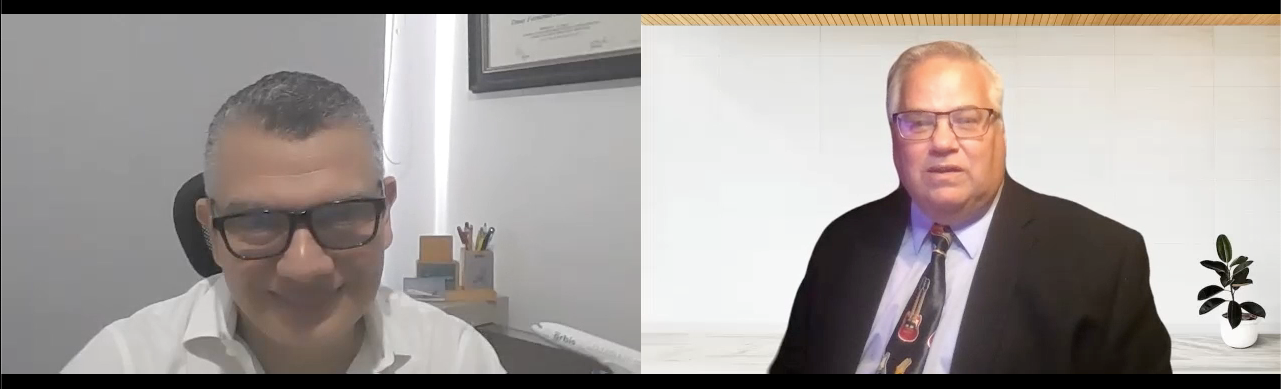
In a recent discussion with Ophthalmology Times, Dr. Omar Salamanca, MD, a staff ophthalmologist at the Orbis Flying Eye Hospital, shed light on the innovative approaches being employed to combat glaucoma in underserved regions. These tailored programs are designed to empower local medical teams by enhancing surgical skills, implementing early detection protocols, and integrating telemedicine advancements to ultimately prevent blindness.
Understanding Local Needs
Dr. Salamanca emphasized the importance of understanding the specific needs of each region. “We design our programs based on necessity, ranging from basic to advanced training,” he explained. This involves conducting preliminary visits to assess the existing ophthalmological capabilities and gaps, allowing Orbis to tailor their training programs accordingly.
Harnessing the Power of Telemedicine
A significant advancement in their initiative is the incorporation of telemedicine through the Cybersight platform. This resource provides virtual mentorship, real-time expert consultations, and AI-driven diagnostic support, making glaucoma care more accessible worldwide. “Cybersight enables doctors to connect with glaucoma experts globally, ensuring timely interventions and continuous education,” said Dr. Salamanca.
Overcoming Challenges in Underserved Regions
The challenges in underserved regions are addressed by improving both clinical and surgical skills. The Flying Eye Hospital serves as a platform for simulation training, allowing local doctors to practice techniques like trabeculectomies and MIGS (Minimally Invasive Glaucoma Surgery) on models before performing on patients. Feedback and outcomes are monitored closely to maintain high medical standards.
Promoting Early Detection and Awareness
Dr. Salamanca highlighted the broader goal of the program: enhancing early detection and awareness. This involves educating not just ophthalmologists but also general practitioners and nurses on identifying risk factors and conducting preliminary assessments. Collaborations with local governments further raise awareness about blindness prevention, emphasizing the importance of early-stage glaucoma screening.
Positive Feedback from Trainees
The feedback from trainees who have undergone the Orbis program is overwhelmingly positive. Participants not only gain valuable skills but also become part of an expanding professional community dedicated to ongoing learning and collaboration in glaucoma care.
For more insights into the Orbis glaucoma training programs, visit the original article on Ophthalmology Times.
More Articles
Getting licensed or staying ahead in your career can be a journey—but it doesn’t have to be overwhelming. Grab your favorite coffee or tea, take a moment to relax, and browse through our articles. Whether you’re just starting out or renewing your expertise, we’ve got tips, insights, and advice to keep you moving forward. Here’s to your success—one sip and one step at a time!
At the 2025 Florida Chamber Insurance Summit, Insurance Commissioner Mike Yaworsky announced that Florida’s long‑volatile insurance market has at last regained stability. After a decade marked by runaway litigation, inflated claims, and insurer exits, the sweeping tort and insurance reforms passed in 2022 and 2023 have reversed the decline. Litigation has fallen to pre‑2019 levels, new carriers and reinsurers are entering the state, and consumers now have more options than they’ve seen in years. Yaworsky cautioned, however, that rolling back these reforms would undo the progress and impose massive costs on Floridians.
Driving with an expired license is illegal in nearly every state, and in 2025 the consequences are more serious than most people realize. From fines and potential jail time to denied insurance claims and professional repercussions, even a simple lapse can create a ripple effect—especially for licensed professionals in real estate, insurance, mortgage, and finance. This quick morning read breaks down the real penalties, why professionals should pay attention, and how to renew your license before it becomes a costly mistake.
A new wave of chat‑based AI tools is reshaping how quickly real estate professionals can prepare and enhance listing photos. By simply describing changes—like brightening a kitchen, removing clutter, or fully staging a room—agents and property managers can produce high‑impact images in minutes. This technology not only speeds up market readiness but also boosts renter and buyer engagement by presenting spaces at their full potential from the very first glance.
The rental market is gearing up for major shifts in 2026, from rising compliance demands and surging insurance costs to the rapid adoption of AI‑powered property management tools. Tenants’ expectations are evolving just as quickly, pushing owners to deliver lifestyle‑driven communities rather than simple lease agreements. Investors and operators who embrace technology, stay ahead of regulatory changes and prioritize renter experience will be best positioned to thrive in the coming year.
Artificial intelligence is transforming real estate at lightning speed, turning days of manual work into minutes of automated insight. With the AI real estate market projected to soar from $222.65B in 2024 to over $975B by 2029, professionals who understand this technology now will lead the industry tomorrow. From smarter valuations to automated workflows and predictive analytics, AI is redefining how agents, investors, and property managers operate—making today the perfect time to embrace the tools shaping the future of real estate.
As AI takes over the repetitive tasks that slow agents down, industry expert Matt Britton says the future of real estate belongs to professionals who combine intelligent automation with irreplaceable human trust. Speaking to thousands at NAR NXT 2025, Britton emphasized that the next wave of success will come from agents who embrace AI workflows while doubling down on what technology can’t replicate: empathy, creativity, and meaningful client relationships.