Adapting Glaucoma Training and Treatment: Insights from the Orbis Flying Eye Hospital
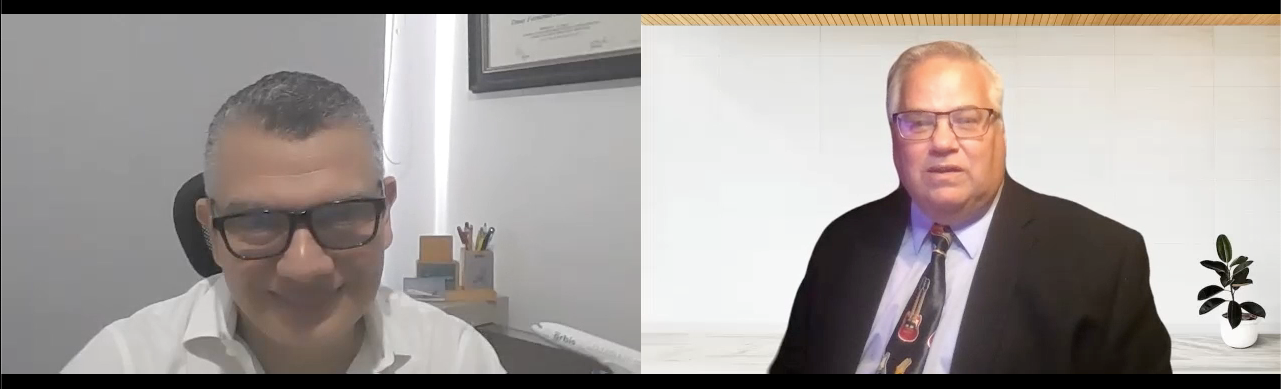
In a recent discussion with Ophthalmology Times, Dr. Omar Salamanca, MD, a staff ophthalmologist at the Orbis Flying Eye Hospital, shed light on the innovative approaches being employed to combat glaucoma in underserved regions. These tailored programs are designed to empower local medical teams by enhancing surgical skills, implementing early detection protocols, and integrating telemedicine advancements to ultimately prevent blindness.
Understanding Local Needs
Dr. Salamanca emphasized the importance of understanding the specific needs of each region. “We design our programs based on necessity, ranging from basic to advanced training,” he explained. This involves conducting preliminary visits to assess the existing ophthalmological capabilities and gaps, allowing Orbis to tailor their training programs accordingly.
Harnessing the Power of Telemedicine
A significant advancement in their initiative is the incorporation of telemedicine through the Cybersight platform. This resource provides virtual mentorship, real-time expert consultations, and AI-driven diagnostic support, making glaucoma care more accessible worldwide. “Cybersight enables doctors to connect with glaucoma experts globally, ensuring timely interventions and continuous education,” said Dr. Salamanca.
Overcoming Challenges in Underserved Regions
The challenges in underserved regions are addressed by improving both clinical and surgical skills. The Flying Eye Hospital serves as a platform for simulation training, allowing local doctors to practice techniques like trabeculectomies and MIGS (Minimally Invasive Glaucoma Surgery) on models before performing on patients. Feedback and outcomes are monitored closely to maintain high medical standards.
Promoting Early Detection and Awareness
Dr. Salamanca highlighted the broader goal of the program: enhancing early detection and awareness. This involves educating not just ophthalmologists but also general practitioners and nurses on identifying risk factors and conducting preliminary assessments. Collaborations with local governments further raise awareness about blindness prevention, emphasizing the importance of early-stage glaucoma screening.
Positive Feedback from Trainees
The feedback from trainees who have undergone the Orbis program is overwhelmingly positive. Participants not only gain valuable skills but also become part of an expanding professional community dedicated to ongoing learning and collaboration in glaucoma care.
For more insights into the Orbis glaucoma training programs, visit the original article on Ophthalmology Times.
More Articles
Getting licensed or staying ahead in your career can be a journey—but it doesn’t have to be overwhelming. Grab your favorite coffee or tea, take a moment to relax, and browse through our articles. Whether you’re just starting out or renewing your expertise, we’ve got tips, insights, and advice to keep you moving forward. Here’s to your success—one sip and one step at a time!
Many Floridians are discovering after major hurricanes that what they assumed was covered by their insurance simply isn’t. With more than 100,000 claims denied or closed without payment and widespread confusion over gaps like flood versus hurricane coverage, experts warn that the fine print can hit harder than the storm itself. As premiums rise and policies grow more complex, understanding what’s actually protected has become essential for homeowners and real estate professionals alike.
A new report from Zillow shows the U.S. just experienced its strongest October housing market since 2021, with inventory rising, affordability improving, and both new listings and pending sales up 5% year-over-year. Nineteen major markets now favor buyers—nine more than last year—as mortgage rates ease, inventory rebounds, and home values level off. For real estate professionals, especially in Florida, these shifts signal a market gaining momentum heading into 2025 and beyond.
Commercial real estate is heading into 2026 with major shifts in policy, technology, investment flows, and market fundamentals. From tightening capital sources and AI-driven decision-making to nationwide housing shortages and a looming wave of maturing debt, professionals across real estate, finance, insurance, and development must adapt quickly. These trends will shape opportunities, risks, and required skills in the year ahead—making strategic education and licensing upgrades more important than ever.
A major cyberattack on real‑estate data giant SitusAMC has triggered emergency responses across Wall Street, exposing sensitive loan records and legal documents tied to major banks like JPMorgan and Citigroup. While operations have been restored, the breach highlights critical weaknesses in third‑party vendors that support the nation’s real‑estate and mortgage infrastructure. Federal investigators and financial institutions are now racing to assess the fallout as experts warn of long‑term risks to the digital systems underpinning multi‑trillion‑dollar lending markets.
Australia’s commercial real estate sector is undergoing a major long‑term shift driven by hybrid work, booming logistics demand, sustainability priorities and evolving global capital flows. With the market projected to grow from USD 11.96 billion in 2024 to USD 21.03 billion by 2033, the biggest opportunities are emerging in industrial assets, ESG‑certified buildings, flexible workspaces and adaptive reuse projects. These trends echo changes developing in the U.S.—including Florida—making Australia a valuable case study for professionals watching the future of commercial real estate.
A new wave of chat‑driven AI tools is transforming how agents market properties by letting them edit listing photos simply by describing what they want changed. From removing clutter to adjusting lighting or staging entire rooms, professionals can now showcase a unit’s full potential long before it’s camera‑ready. This technology boosts efficiency for property managers, enhances buyer engagement through interactive visuals, and underscores the importance of transparency as AI becomes a core part of real estate marketing.