The commercial real estate sector in 2025 presents a landscape of both challenges and opportunities, driven by the ongoing shifts in the economic climate, financial concerns, and regulatory changes. As the industry navigates these turbulent waters, stakeholders are urged to adapt their strategies and embrace innovative solutions to remain competitive.
According to a recent article by Scotsman Guide, the commercial real estate market is experiencing a mixed bag of challenges and opportunities. The instability in the economic climate has been a significant factor, but the stabilization of interest rates offers a glimmer of hope for borrowers and investors alike. With the Federal Reserve adopting a cautious approach, the cost of acquisition and refinancing is expected to settle, providing much-needed clarity to the market.
Transforming Office Spaces
One of the most significant trends this year is the transformation of office spaces. While some companies, like Amazon, have required employees to return to the office full-time, the hybrid work model persists. This shift is leading to a decline in demand for traditional office spaces, particularly in secondary markets. Businesses are now seeking properties that offer flexibility, or they are converting office buildings into mixed-use projects to meet the demands for residential or retail spaces.
Industrial and Multifamily Sectors on the Rise
The industrial property market is expected to remain robust, fueled by the growth of e-commerce and the demand for last-mile logistics centers. Additionally, the rise in online grocery sales is driving the need for cold storage facilities, further boosting industrial property prospects.
Multifamily properties are also poised for growth, with national rent increases projected at around 1.5%. The demand for rentals is rising as potential homebuyers face high interest rates and housing costs. This trend is particularly evident in the Sun Belt region, where the rental market is thriving due to favorable climates and job opportunities.
Challenges in Office and Retail Financing
Despite some stabilization in the office sector, financing office and retail projects remains challenging. Non-core markets, in particular, continue to struggle due to lower demand and fewer corporate tenants. Innovative financing solutions may be required, such as repositioning or redeveloping older office buildings into mixed-use or residential properties.
Retail properties are at a crossroads, with neighborhood centers anchored by essential services thriving, while large shopping malls continue to struggle. Investors are advised to approach large retail projects with caution, as consumer habits and foot traffic evolve.
Future Strategies for Success
To thrive in this evolving landscape, stakeholders must focus on high-demand sectors like industrial and multifamily. Niche areas such as cold storage and build-to-rent communities are expected to be particularly strong. Offering flexible lease terms for office and retail properties can attract tenants in uncertain markets.
Adaptive reuse of underutilized office and retail properties into mixed-use or residential spaces presents a promising opportunity. Staying updated on regulatory, environmental, social, and governance trends will be crucial for understanding property values and financing.
As the commercial real estate market undergoes transformation, those who can navigate the complexities of this transitioning market and provide specialized financing solutions will be well-positioned for success.
Ben Reinberg, CEO of the Alliance Consolidated Group of Companies, emphasizes the importance of adapting to these market dynamics. His company, with a portfolio valued at over $500 million, is at the forefront of commercial real estate investments in major U.S. markets. For more insights, you can view his author profile.
More Articles
Getting licensed or staying ahead in your career can be a journey—but it doesn’t have to be overwhelming. Grab your favorite coffee or tea, take a moment to relax, and browse through our articles. Whether you’re just starting out or renewing your expertise, we’ve got tips, insights, and advice to keep you moving forward. Here’s to your success—one sip and one step at a time!
The real estate industry is on the brink of a transformation, driven by the integration of the Internet of Things (IoT). This technological advancement is reshaping how buildings operate and enhancing tenant experiences across the globe.
"This framework postulates New Orleans as already living in the future," said Patterson during the exhibition's opening. Lash added, "We want to show New Orleans as a gift and as a scout." The exhibition, featuring 51 artists across 21 venues, highlights how contemporary art can serve as an engine of coping, rather than mere recovery.
As the dust settles on the recent Republican victory in the U.S. presidential election, the tax landscape is poised for significant changes with President-elect Donald Trump set to return to the White House.
As we step into 2025, the multifamily housing sector is projected to experience modest growth. Yardi Matrix anticipates a 1.5% increase in rents, driven by positive economic conditions and stable industry fundamentals, particularly in the Northeast and Midwest regions. However, the rent growth forecasts vary across different markets.
Recent surveys have shed light on the preferences and priorities of renters in 2024, emphasizing the dominance of digital marketing and the importance of community inclusiveness.
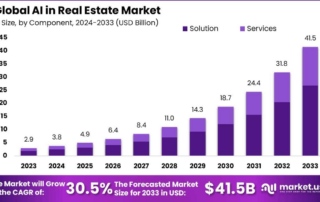
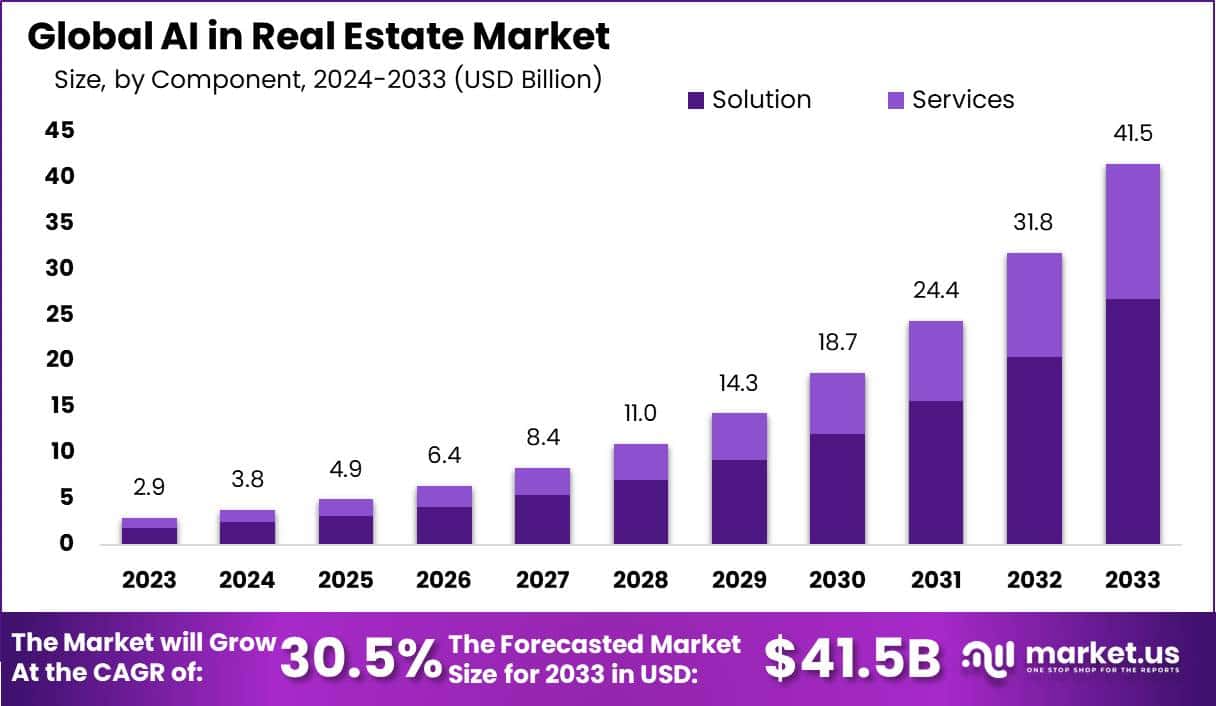
The real estate industry is on the brink of a technological transformation, with Artificial Intelligence (AI) playing a pivotal role. According to a recent report by Market.us, the AI in real estate market is projected to surge from USD 2.9 Billion in 2023 to a staggering USD 41.5 Billion by 2033, growing at an impressive CAGR of 30.5%.