In a rapidly evolving corporate landscape, the integration of hybrid programs has become a cornerstone for enhancing workplace experience and driving organizational performance. As reported by CBRE in their February 2025 article, a staggering 92% of organizations have now developed definitive workplace policies that require physical presence in the office.
However, a gap persists between leadership expectations and employee behavior regarding in-office days. While 90% of organizations prefer employees to work in the office at least twice a week, 61% have observed a discrepancy between expected and actual attendance.
Strategies for Enhancing Workplace Experience
Organizations are encouraged to implement strategic short-term and long-term actions to bridge this gap. A needs assessment is vital, involving employee feedback through conversations, interviews, and surveys to understand workstyles and expectations. This helps in evaluating the gap between current and target site experience.
Communicating the Value Proposition
Effective communication from leadership about the value of the office is crucial. CBRE’s 2023 Office Attendance study reveals that 57% of companies that clearly articulated the office’s value saw higher attendance rates.
Promoting Human Interaction
CBRE’s 2024 Americas Office Occupier Sentiment Survey highlights that 65% of employees consider morale and relationship building as primary reasons for returning to the office. Fostering a sense of community through team days and social experiences can significantly enhance the workplace environment.
In conclusion, investing in workplace and employee experience is not just a trend but a necessity for thriving in today’s dynamic business environment. By aligning workplace strategies with organizational priorities, companies can ensure that their hybrid programs not only meet employee expectations but also drive performance and retention.
“`
More Articles
Getting licensed or staying ahead in your career can be a journey—but it doesn’t have to be overwhelming. Grab your favorite coffee or tea, take a moment to relax, and browse through our articles. Whether you’re just starting out or renewing your expertise, we’ve got tips, insights, and advice to keep you moving forward. Here’s to your success—one sip and one step at a time!
"AI and machine learning are emerging as powerful technologies to address this issue, improving the accuracy of medical diagnosis and revolutionizing healthcare with their myriad applications."
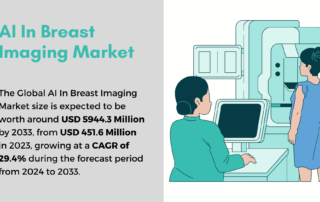
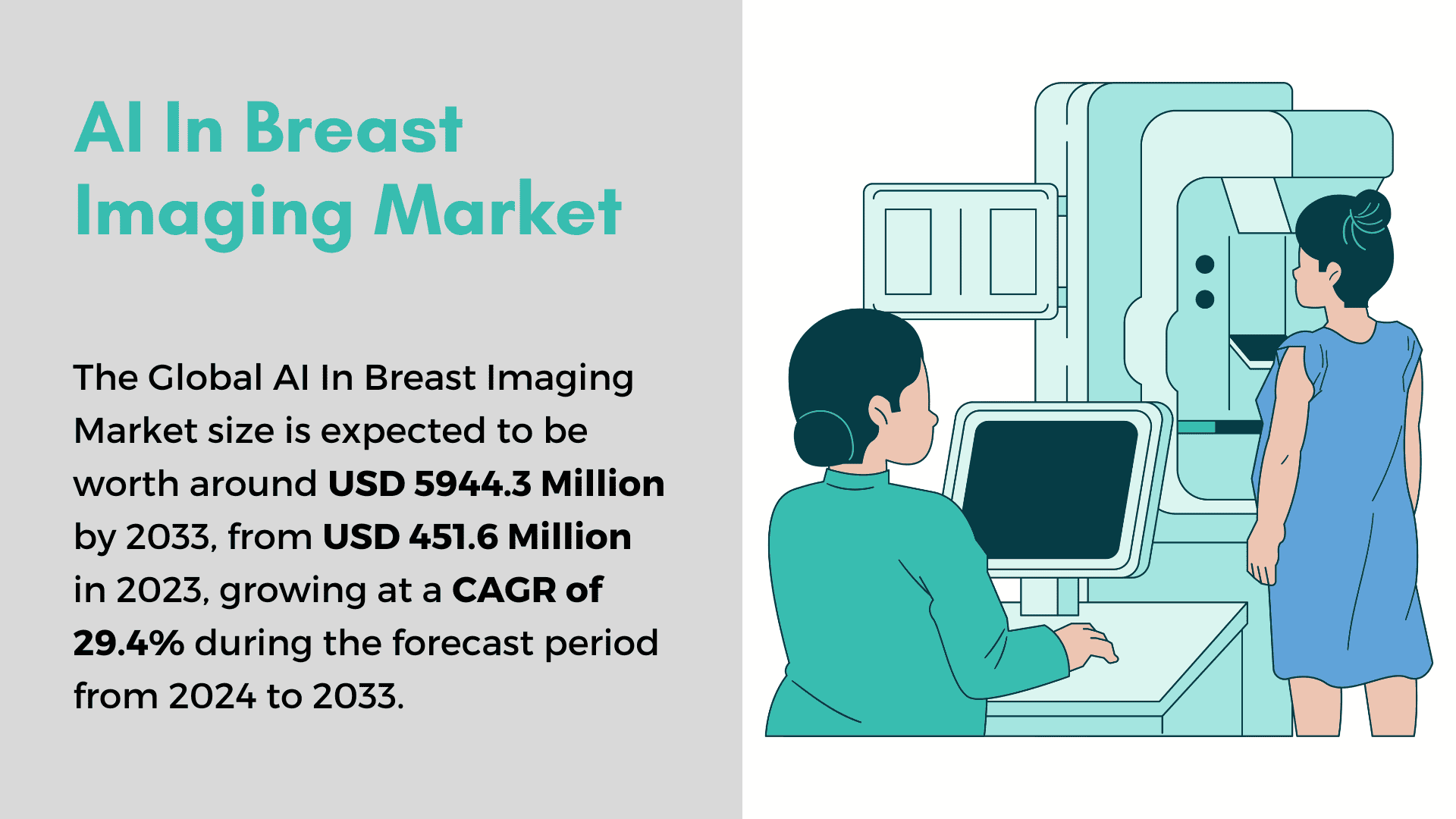
The global AI in breast imaging market is on a remarkable growth trajectory, projected to swell from USD 451.6 million in 2023 to an impressive USD 5944.3 million by 2033. This represents a compound annual growth rate (CAGR) of 29.4%, primarily driven by cutting-edge advancements in AI technologies that significantly enhance diagnostic accuracy, facilitate early detection, and boost healthcare efficiency.
Virtual real estate in metaverses is becoming a focal point for investors worldwide, with digital plots of land mirroring traditional real estate value based on location, size, and platform popularity.
Artificial intelligence (AI) and machine learning are at the forefront of revolutionizing in-vitro diagnostic (IVD) tools, redefining diagnostics and enhancing healthcare outcomes on multiple fronts.
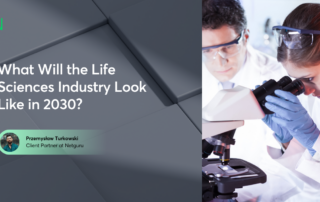
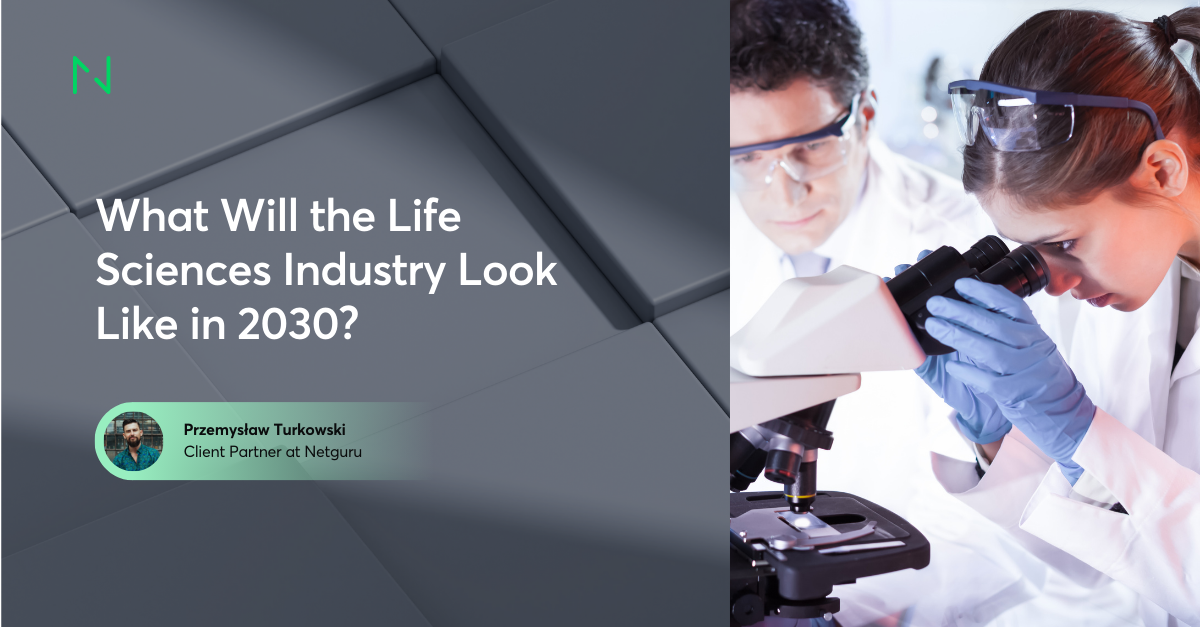
As we edge closer to 2030, the life sciences industry stands on the threshold of transformative changes. With a global valuation exceeding $2 trillion, the sector is poised for significant growth, driven by technological advancements and an aging population.
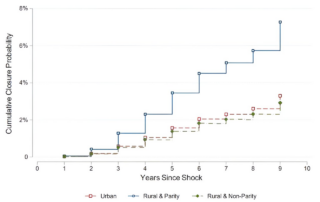
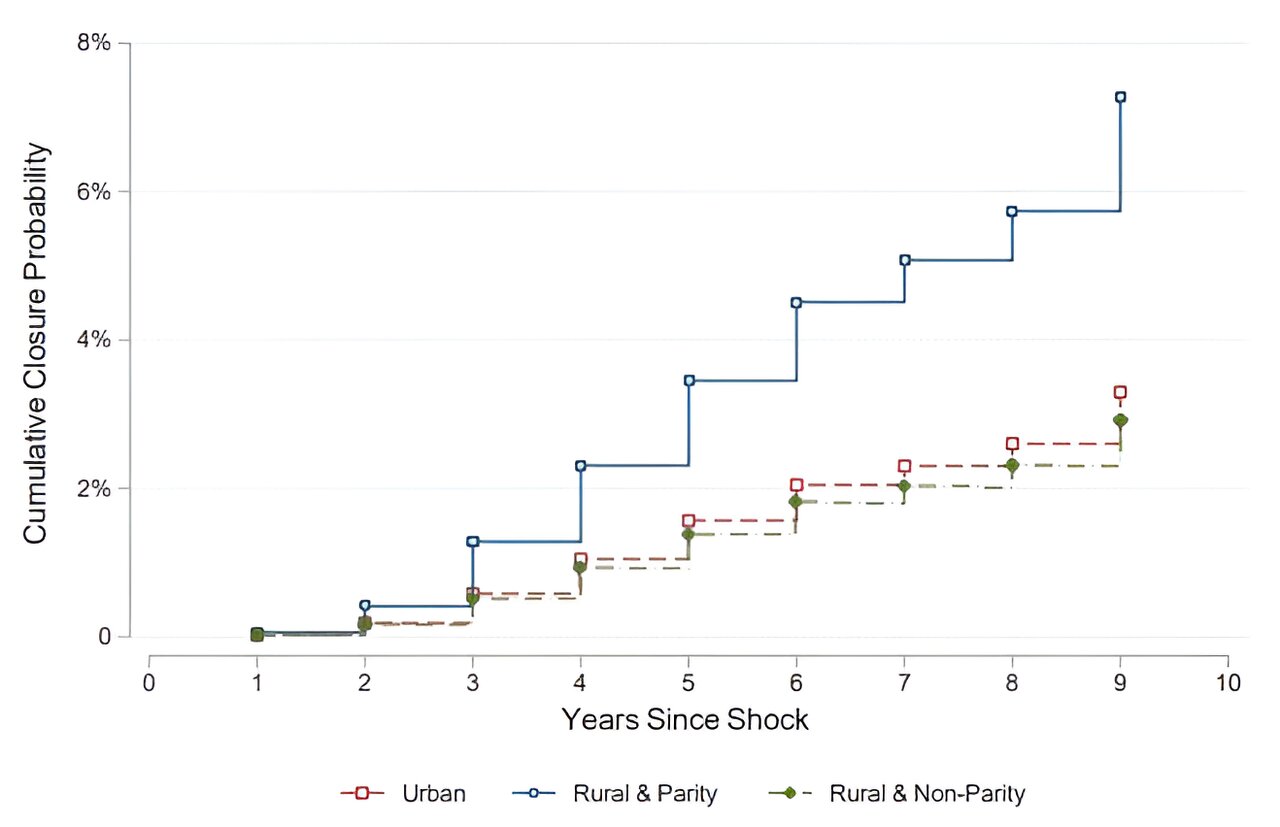
The advent of telehealth has revolutionized the way patients, particularly those in rural areas, access health care. By offering remote consultations and follow-up care, telehealth provides a convenient alternative to traveling long distances to urban hospitals. However, this technological advancement brings with it a set of challenges that could reshape the rural health care landscape.