In a rapidly evolving corporate landscape, the integration of hybrid programs has become a cornerstone for enhancing workplace experience and driving organizational performance. As reported by CBRE in their February 2025 article, a staggering 92% of organizations have now developed definitive workplace policies that require physical presence in the office.
However, a gap persists between leadership expectations and employee behavior regarding in-office days. While 90% of organizations prefer employees to work in the office at least twice a week, 61% have observed a discrepancy between expected and actual attendance.
Strategies for Enhancing Workplace Experience
Organizations are encouraged to implement strategic short-term and long-term actions to bridge this gap. A needs assessment is vital, involving employee feedback through conversations, interviews, and surveys to understand workstyles and expectations. This helps in evaluating the gap between current and target site experience.
Communicating the Value Proposition
Effective communication from leadership about the value of the office is crucial. CBRE’s 2023 Office Attendance study reveals that 57% of companies that clearly articulated the office’s value saw higher attendance rates.
Promoting Human Interaction
CBRE’s 2024 Americas Office Occupier Sentiment Survey highlights that 65% of employees consider morale and relationship building as primary reasons for returning to the office. Fostering a sense of community through team days and social experiences can significantly enhance the workplace environment.
In conclusion, investing in workplace and employee experience is not just a trend but a necessity for thriving in today’s dynamic business environment. By aligning workplace strategies with organizational priorities, companies can ensure that their hybrid programs not only meet employee expectations but also drive performance and retention.
“`
More Articles
Getting licensed or staying ahead in your career can be a journey—but it doesn’t have to be overwhelming. Grab your favorite coffee or tea, take a moment to relax, and browse through our articles. Whether you’re just starting out or renewing your expertise, we’ve got tips, insights, and advice to keep you moving forward. Here’s to your success—one sip and one step at a time!
December is bringing more than holiday stress—mortgage rates are climbing as the Federal Reserve delivers mixed signals and key economic reports face delays. After sharp swings in November, analysts expect rates to rise through the month, with internal disagreements among Fed members adding to the turbulence. As lenders recalibrate their expectations for early 2026, buyers and industry professionals should brace for rapid, unpredictable rate movements.
Artificial intelligence is rapidly transforming how real estate professionals work, and this week’s updates highlight just how fast the tech is evolving. Rechat’s new integration with Follow Up Boss streamlines CRM, marketing, and communication into one powerful workflow. RealScout has introduced an AI‑driven search tool built specifically for agents, delivering precise results from natural language prompts. Meanwhile, UtahRealEstate.com has launched AI voice search for consumers, offering real‑time conversational home‑finding. Together, these advancements signal a new era of efficiency and opportunity for both new and seasoned real estate professionals.
The Government Accountability Office is urging the FHFA to issue clear, updated guidance for Fannie Mae and Freddie Mac as AI‑driven tools reshape the mortgage industry. With automated valuations, underwriting systems, and algorithmic advertising carrying risks of embedded bias, regulators fear that fast‑moving proptech innovations may unintentionally reinforce past discrimination. The call for action comes as federal oversight shifts and industry professionals face growing pressure to stay compliant in an increasingly digital housing market.
Florida’s real estate and insurance sectors are undergoing major end‑of‑year shifts, from new AI oversight proposals and cooling housing markets to rising insurance premiums and transformative housing legislation. With inventory changes, pricing corrections, and new educational opportunities emerging across the state, professionals and students alike can use these insights to stay ahead in a rapidly evolving 2025–2026 landscape.
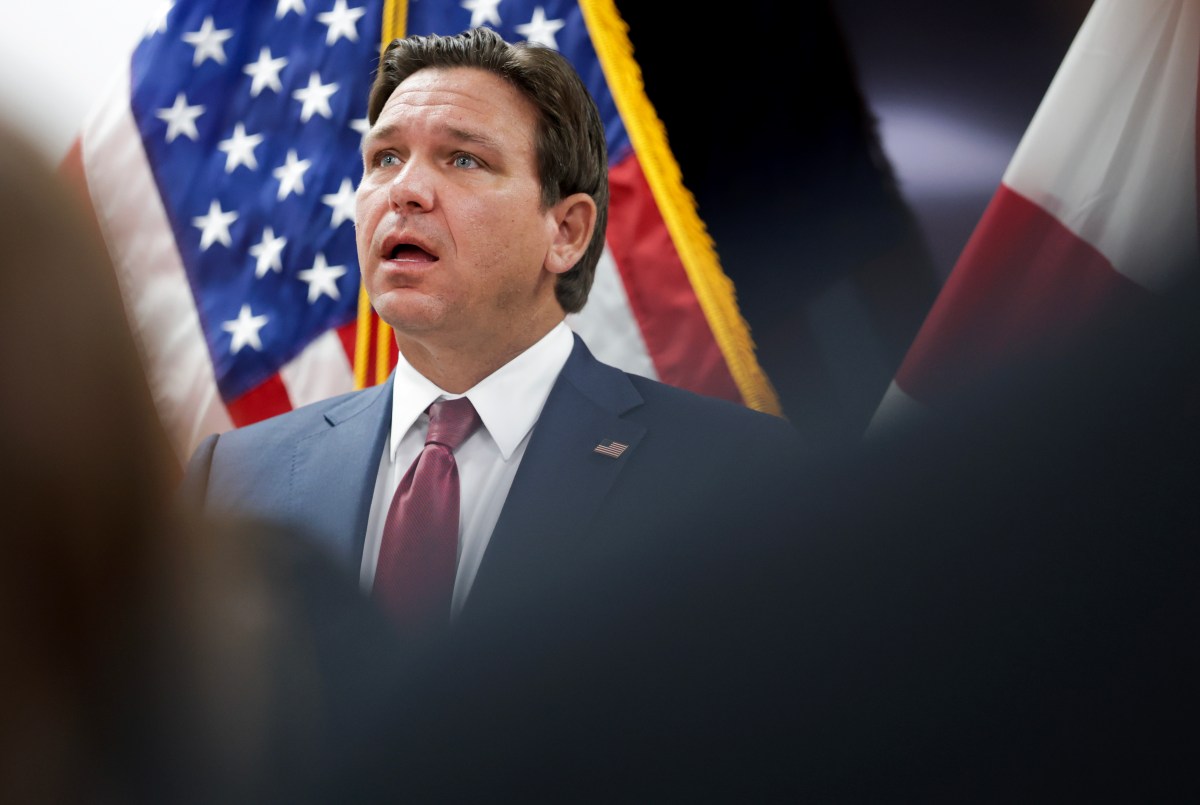
New analysis shows that eliminating property taxes in Florida—an idea promoted by Governor Ron DeSantis—could instantly raise home prices by 7 to 9 percent. While current homeowners may welcome the boost, experts warn it would worsen the state’s affordability crisis and shift tax burdens elsewhere, making it harder for future buyers and first‑time homeowners to enter the market.
Cyprus is rolling out sweeping housing and construction reforms, including fast‑track permits, incentives for affordable development, and a push for EU‑wide housing strategy. With single‑ and two‑family home approvals targeted at 40 days and apartment buildings at 80, the nation is tackling delays and boosting supply—offering insights and parallels for U.S. real estate and development professionals watching global trends.