Addressing America’s Housing Crisis: A New Proposal

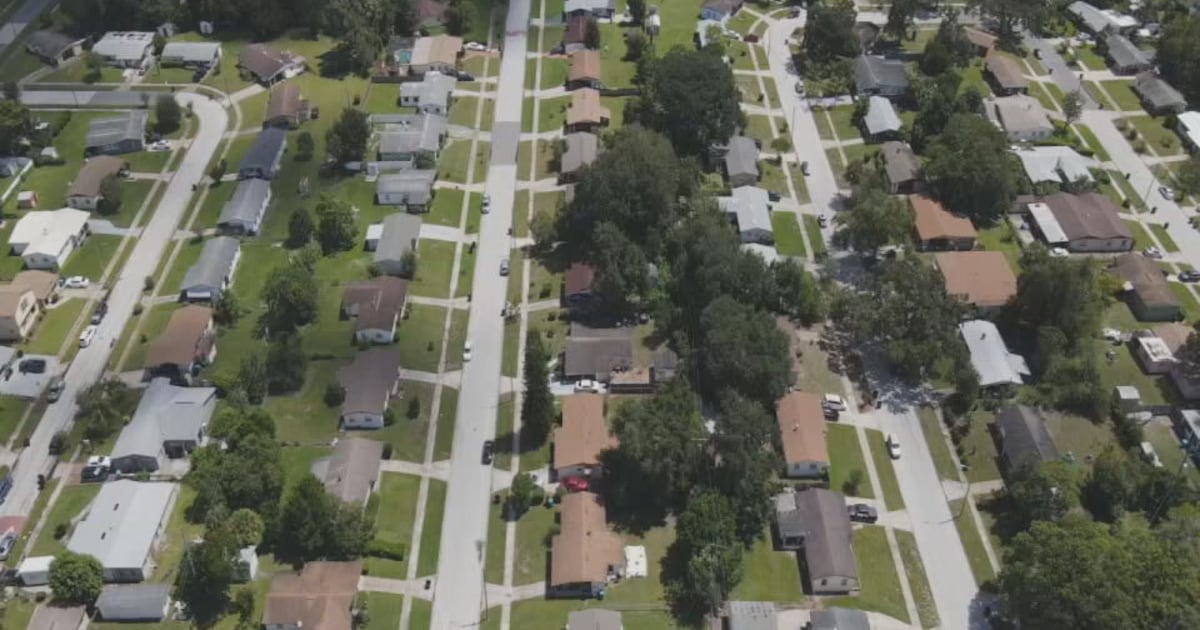
A photograph of co-op city in the bronx. In a compelling guest essay published by The New York Times, Alexandria Ocasio-Cortez and Tina Smith have put forth a bold vision to tackle the ongoing housing crisis in the United States. The duo argues that America’s housing market, dominated by corporate interests and profit-driven motives, has failed to provide stable and affordable housing for millions of Americans.
Ocasio-Cortez, a Democratic U.S. representative from New York, and Smith, a Democratic U.S. senator from Minnesota, propose a shift towards social housing. They emphasize that “housing is a human right, like food or health care,” and advocate for the introduction of the Homes Act. This legislation aims to establish a federally backed development authority to finance and construct homes that remain affordable by law.
The current housing landscape is bleak for many. In most American counties, even a modest one-bedroom apartment is out of reach for minimum-wage workers. The situation is exacerbated by the increasing influence of large financial firms in the housing market, leaving working families to compete in an unfair bidding war.
The proposed Homes Act would focus on constructing homes that cater to lower-income families, ensuring affordability and stability. Rent would be capped at 25% of a household’s adjusted gross income, and homes would be built to modern, efficient standards, reducing utility costs for residents. This approach draws inspiration from successful models of social housing in places like Vienna.
In the essay, Ocasio-Cortez and Smith highlight existing examples of social housing in the U.S., such as the Electchester complex in Queens and Co-op City in the Bronx, which house over 50,000 New Yorkers. These communities demonstrate the potential for financial and social sustainability in housing cooperatives.
The Homes Act also seeks to repeal the Faircloth Amendment, a 1998 law that restricts the construction of new public housing. By reinvesting federal funds into local public housing authorities, the legislation aims to address the backlog of necessary repairs and improvements.
The proposal recognizes the diverse housing needs across the country, from urban centers like the Bronx to rural communities in Minnesota. By involving local governments, unions, and nonprofits, the Homes Act aims to develop housing solutions that are tailored to the unique landscapes and needs of different regions.
According to research from New York University and the University of California, Berkeley, the bill could potentially build and preserve over 1.25 million homes, benefitting more than 850,000 low-income households. The authors argue that the federal government must take decisive action to provide Americans with a safe, comfortable, and affordable place to call home.
As the housing crisis continues to affect millions, the introduction of the Homes Act represents a significant step towards a more equitable and sustainable housing future.

Join the Conversation

The New York Times encourages readers to share their thoughts on this topic. You can submit your opinions through their Letters to the Editor section.

More Articles

Getting licensed or staying ahead in your career can be a journey—but it doesn’t have to be overwhelming. Grab your favorite coffee or tea, take a moment to relax, and browse through our articles. Whether you’re just starting out or renewing your expertise, we’ve got tips, insights, and advice to keep you moving forward. Here’s to your success—one sip and one step at a time!

Florida Homeowners Finally Get a Break as Insurance Rates Begin to Drop

After years of soaring premiums and insurer instability, Florida’s property insurance market is finally turning a corner. Major carriers have filed 83 requests for rate decreases heading into 2026, with companies like Florida Peninsula and Patriot Select proposing cuts of 8.4% and 11.3%. Some homeowners may see relief as early as next month, signaling a long‑awaited shift toward market stability.

The Fix-and-Flip Comeback: Why 2026 Is Poised to Be a Breakout Year for Investors

Fix-and-flip investing is gearing up for one of its strongest years in a decade as 2026 approaches. With cheaper capital, more accessible funding, easing interest rates, and long-awaited increases in housing inventory, investors are finding the perfect environment to launch or scale renovation-based real estate businesses. Renovation continues to outpace new construction in cost and speed, and demand for move-in-ready homes remains high, making 2026 a powerful opportunity window for both new and experienced investors.

Falling Rents Today, Rising Pressures Tomorrow: A 2026 Rental Squeeze Is on the Horizon

After a short-lived period of relief in 2025, the U.S. rental market may be headed for a tighter, more expensive 2026. With construction starts dropping nearly 11% and completions plunging 42%, the surge of new apartments that helped lower rents is rapidly drying up. Rising costs, shrinking inventory, and a slowdown in new development point to a potential rental crunch that could leave renters facing heavier competition and higher prices across major markets next year.

The Biggest Opportunity in Real Estate Since 2008

The commercial real estate market is entering a rare reset that experts say mirrors the post‑2008 boom, creating a potential window for disciplined investors. With trillions in commercial debt coming due and property values dropping up to 40%, firms like AARE are positioning themselves to acquire assets below replacement cost—an advantage that could set the stage for significant long‑term growth.

Six for 2026: The Commercial Real Estate Shifts Already Reshaping the U.S.

Commercial real estate is entering a reinvention phase, with AI‑driven productivity, modernized office demand, experience‑focused retail, expanding industrial logistics, creative housing solutions, and sustainability‑centered design all accelerating nationwide. These six forces are shaping how investors, brokers, and future licensees will operate in a rapidly evolving U.S. market.

2026 Becomes the Turning Point: Innovation, Stability, and Upward Mobility Return

After years of economic uncertainty and cautious decision‑making, 2026 is shaping up to be the year professionals finally catch a break. AI is moving from buzzword to essential tool, capital markets are beginning to thaw, and hiring is picking up across real estate, mortgage, insurance, finance, and healthcare. With opportunity returning, many professionals are using this moment to upskill—pursuing new licenses, certifications, and cross‑industry expertise.