Addressing America’s Housing Crisis: A New Proposal

A photograph of co-op city in the bronx. In a compelling guest essay published by The New York Times, Alexandria Ocasio-Cortez and Tina Smith have put forth a bold vision to tackle the ongoing housing crisis in the United States. The duo argues that America’s housing market, dominated by corporate interests and profit-driven motives, has failed to provide stable and affordable housing for millions of Americans.
Ocasio-Cortez, a Democratic U.S. representative from New York, and Smith, a Democratic U.S. senator from Minnesota, propose a shift towards social housing. They emphasize that “housing is a human right, like food or health care,” and advocate for the introduction of the Homes Act. This legislation aims to establish a federally backed development authority to finance and construct homes that remain affordable by law.
The current housing landscape is bleak for many. In most American counties, even a modest one-bedroom apartment is out of reach for minimum-wage workers. The situation is exacerbated by the increasing influence of large financial firms in the housing market, leaving working families to compete in an unfair bidding war.
The proposed Homes Act would focus on constructing homes that cater to lower-income families, ensuring affordability and stability. Rent would be capped at 25% of a household’s adjusted gross income, and homes would be built to modern, efficient standards, reducing utility costs for residents. This approach draws inspiration from successful models of social housing in places like Vienna.
In the essay, Ocasio-Cortez and Smith highlight existing examples of social housing in the U.S., such as the Electchester complex in Queens and Co-op City in the Bronx, which house over 50,000 New Yorkers. These communities demonstrate the potential for financial and social sustainability in housing cooperatives.
The Homes Act also seeks to repeal the Faircloth Amendment, a 1998 law that restricts the construction of new public housing. By reinvesting federal funds into local public housing authorities, the legislation aims to address the backlog of necessary repairs and improvements.
The proposal recognizes the diverse housing needs across the country, from urban centers like the Bronx to rural communities in Minnesota. By involving local governments, unions, and nonprofits, the Homes Act aims to develop housing solutions that are tailored to the unique landscapes and needs of different regions.
According to research from New York University and the University of California, Berkeley, the bill could potentially build and preserve over 1.25 million homes, benefitting more than 850,000 low-income households. The authors argue that the federal government must take decisive action to provide Americans with a safe, comfortable, and affordable place to call home.
As the housing crisis continues to affect millions, the introduction of the Homes Act represents a significant step towards a more equitable and sustainable housing future.

Join the Conversation

The New York Times encourages readers to share their thoughts on this topic. You can submit your opinions through their Letters to the Editor section.

More Articles

Getting licensed or staying ahead in your career can be a journey—but it doesn’t have to be overwhelming. Grab your favorite coffee or tea, take a moment to relax, and browse through our articles. Whether you’re just starting out or renewing your expertise, we’ve got tips, insights, and advice to keep you moving forward. Here’s to your success—one sip and one step at a time!

Title Insurance Leaders Double Down on Tech and Efficiency to Drive 2026 Market Momentum

The title insurance industry is entering 2026 with a renewed focus on technology, operational efficiency, and stronger agent support after years of volatility. Leaders from major underwriters report rising transaction activity, improved affordability, and a surge in automation and fraud‑prevention tools—signs that smarter systems and better training will define the next wave of growth.

Mortgage CEO Barred in 21 States After Major Education Fraud Settlement

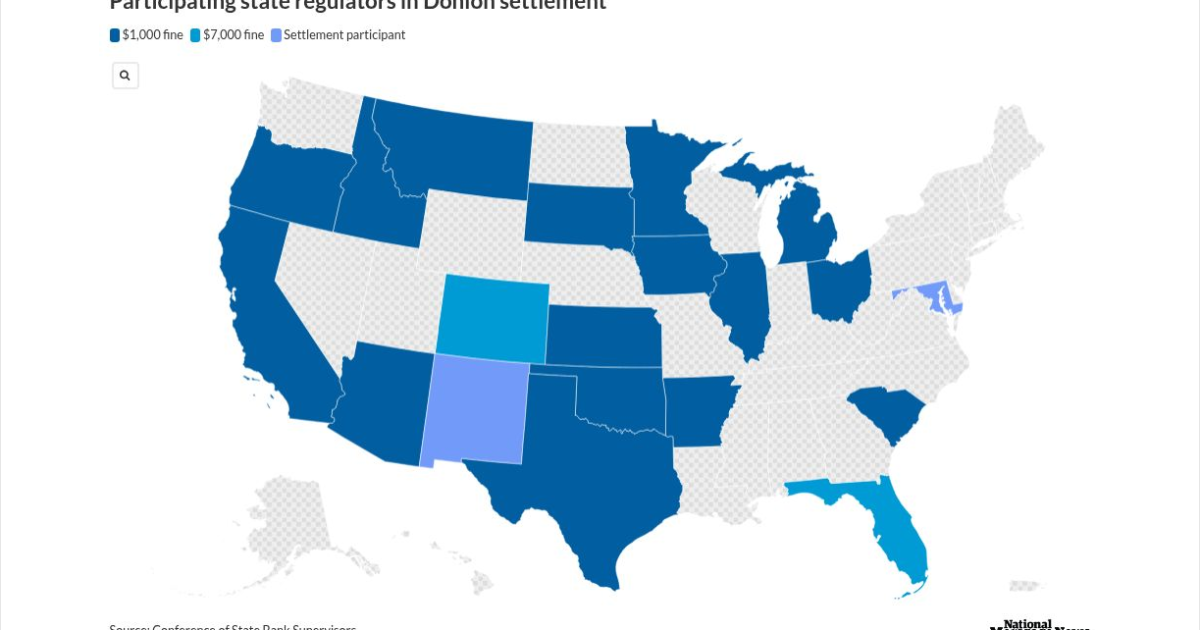
A multistate crackdown has sent shockwaves through the mortgage industry as Patrick Terrance Donlon, CEO of Trusted American Mortgage, accepted a sweeping settlement that bans him from working as a mortgage loan originator in 21 states—19 of them permanently. Regulators say Donlon had another individual complete his mandatory licensing and continuing‑education courses, a violation that triggered a coordinated investigation and a $31,000 penalty. The case underscores regulators’ growing intolerance for education fraud and serves as a sharp reminder to industry professionals: cutting corners on licensing can end careers.

Florida’s Real Estate Slowdown: How Insurance Costs Are Reshaping the Market

Florida’s once‑booming housing market is cooling fast as rising insurance premiums, increasing foreclosures, and expanding flood zones push buyers to back out of deals and force sellers to cut prices. With insurance now adding thousands to annual housing costs, professionals across real estate, mortgage, and insurance are navigating a dramatically shifting landscape that’s redefining affordability in the Sunshine State.

New Florida Laws Taking Effect January 1, 2026: Key Changes Every Professional Should Know

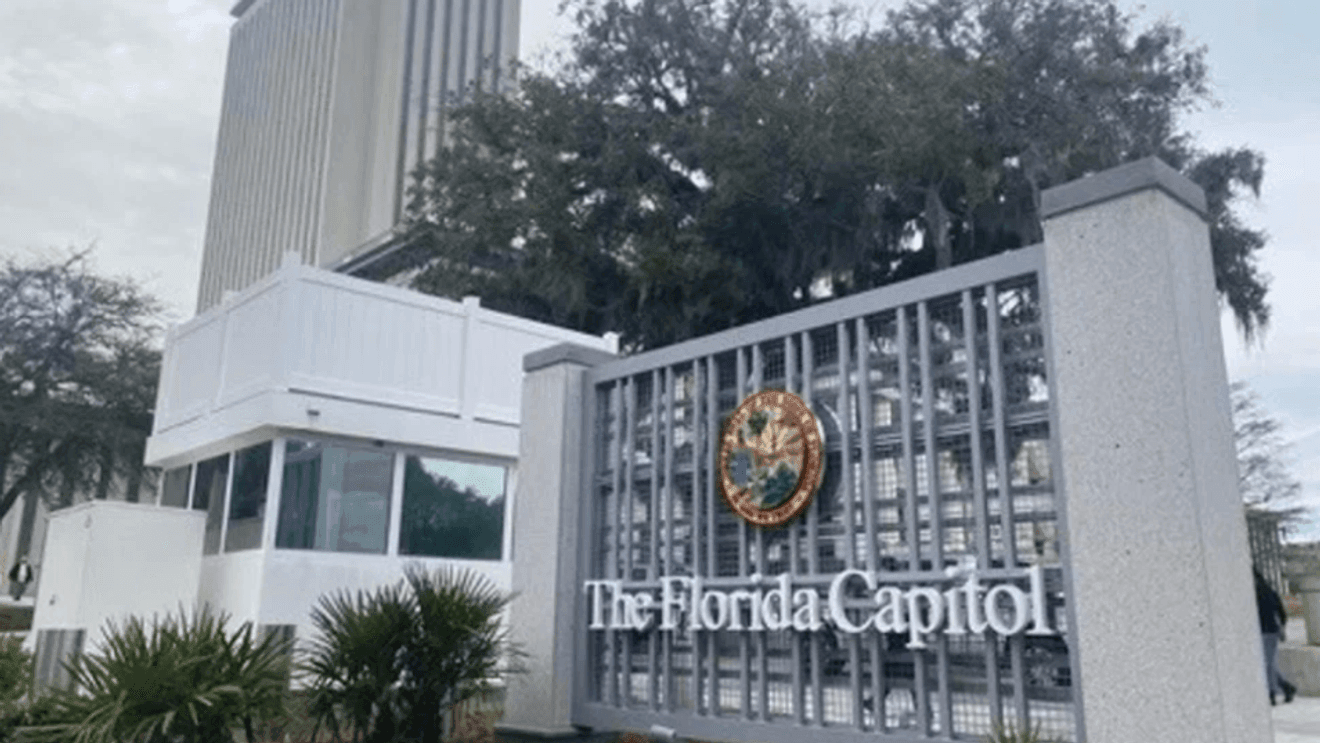
Florida begins 2026 with a wave of more than 250 new laws now in effect, impacting healthcare, insurance, real estate, and consumer protections statewide. From free breast cancer screenings for state employees to tighter pet insurance regulations, mandatory healthcare refund rules, enhanced animal‑cruelty penalties, and new condo‑management requirements, these updates carry major implications for professionals navigating Florida’s evolving regulatory landscape.

Florida’s Barrier Islands: Why Paradise Living Comes With Sky‑High Risks for Homeowners and Agents

Florida’s barrier islands may offer postcard-perfect beaches and soaring real estate demand, but they’re also some of the most fragile and costly places to build in the United States. With 765,000 residents living on land that shifts, sinks, and takes the brunt of every major hurricane, the financial and insurance risks are accelerating fast. From billion‑dollar beach rebuilds to towers settling into the sand, today’s coastal development challenges are reshaping conversations around property values, disclosure, and long‑term resilience. For real estate professionals, understanding these risks isn’t just smart — it’s becoming essential.

Cedar City Builder Redefines Affordable Housing With Luxury‑Style Twin Homes

A Cedar City development is turning heads with its fresh approach to affordability. The team behind Temple View Commons is delivering luxury‑inspired twin homes at prices below the local median by using a small, hands‑on staff and cutting traditional costs like realtor commissions. In a tight Utah housing market where inventory is scarce and prices remain high, their strategy offers a realistic path to homeownership without sacrificing high‑end finishes.