The American housing crisis is not merely a statistic; it is a pressing reality affecting millions of families nationwide. Under the Biden administration, rent prices have soared to unprecedented levels, and homeownership has become an elusive dream for many. Over the past four years, the administration has taken several steps to address this entrenched issue. Let us delve into these measures and assess their effectiveness while casting light on the current state of housing in the United States.
Federal Investment and Housing Initiatives
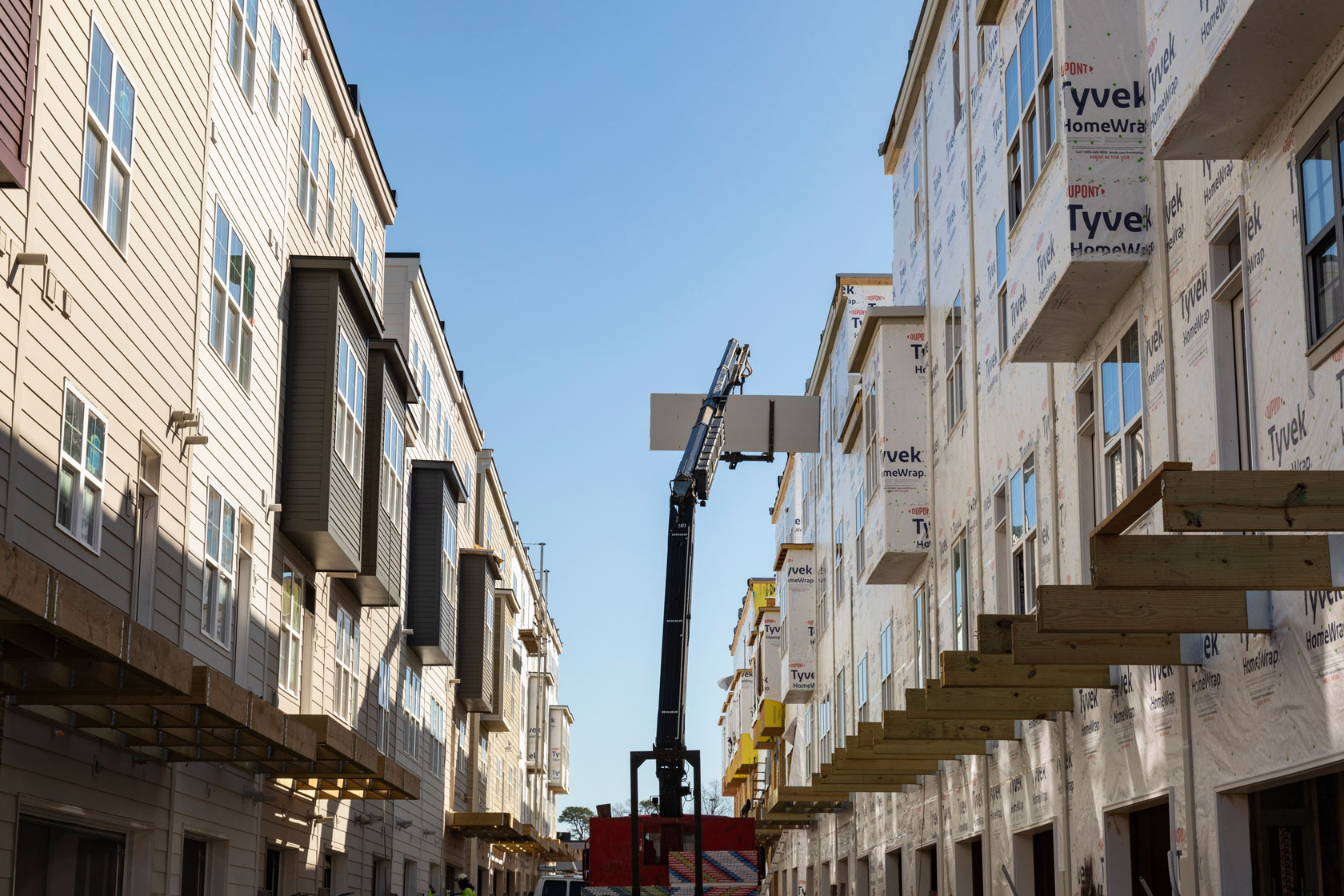
The Biden administration has made significant federal investments in affordable housing. Billions have been allocated in grants and funding to enhance the availability of affordable housing, with a goal to build 2 million new homes, reduce rental costs, and offer tax credits for homebuyers.
Moreover, the administration expanded the Low-Income Housing Tax Credit (LIHTC) and proposed a Neighborhood Homes Tax Credit. Despite these efforts, the U.S. still faces a 4.5 million home shortage, underscoring the critical nature of the crisis.
Homelessness and Federal Response
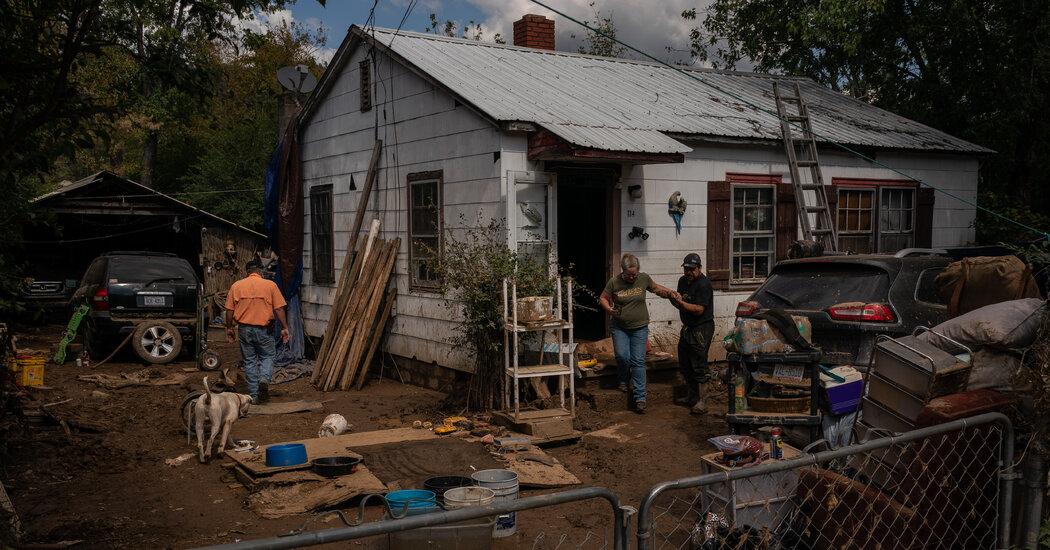
While funding for homelessness prevention increased, the nation witnessed an 18% rise in homelessness in 2024. The lack of affordable units has significantly contributed to this surge. The National Alliance to End Homelessness reports that approximately 700,000 individuals are experiencing homelessness in the U.S.
Challenges in Addressing Housing Issues
Efforts to tackle the housing crisis have encountered substantial obstacles. Bipartisan cooperation is essential for sustainable solutions, yet political division remains a significant barrier. Additionally, high mortgage rates and supply shortages continue to impede progress.
Protecting Renters and Curbing Corporate Practices
The administration has taken measures to protect renters from unfair practices. It cracked down on corporate landlords exploiting algorithms to inflate rents and proposed capping rent increases at 5% for properties built with federal tax credits. The introduction of a Renters Bill of Rights further outlines principles for fair rental markets and prohibits hidden fees in rental agreements.
Looking Ahead
Although the Biden administration has laid the groundwork for addressing the housing crisis, much work remains. Future policies must focus on increasing supply, reducing costs, and protecting vulnerable populations. Only then can we hope to see real progress in making housing affordable for all.
The original article from Norada Real Estate Investments provides an in-depth analysis of these initiatives and the ongoing challenges in the housing sector.