“`html

The Adverse Childhood Experiences (ACE) Study, a groundbreaking collaboration between the CDC and Kaiser Permanente, has unveiled a startling connection between childhood trauma and the onset of chronic diseases in adulthood. This landmark study, as detailed in the original article from ACEs Too High, introduces the concept of the ACE score—a metric designed to quantify an individual’s risk for developing health issues later in life, akin to a cholesterol score for childhood toxic stress.


According to the study, there are ten types of childhood trauma that contribute to one’s ACE score. These include personal experiences like physical, verbal, and sexual abuse, as well as physical and emotional neglect. Additionally, family-related traumas such as parental substance abuse, domestic violence, incarceration, mental illness, and divorce are considered. Each type of trauma adds a point to the ACE score, highlighting the cumulative impact of these experiences on long-term health.


Beyond the ACE Score

It’s important to note that the ACE Study’s scope was limited to these ten traumas, as they were most commonly reported by the study’s participants. However, the article emphasizes that other forms of childhood stress, such as racism, bullying, and the loss of a caregiver, can also contribute to adverse health outcomes.


The original article underscores the significance of understanding both adverse and positive childhood experiences (ACEs and PCEs). It suggests that while ACEs can increase the risk of chronic diseases like heart disease, lung cancer, and depression, positive experiences can mitigate these effects. This dual focus offers a more comprehensive view of how childhood experiences shape adult health.


Positive Childhood Experiences: A Buffer Against Adversity

Recent research has begun to explore the role of Positive Childhood Experiences (PCEs) in promoting resilience and well-being. Studies referenced in the article, such as those published in JAMA Pediatrics and Health Affairs, reveal that positive experiences can significantly counterbalance the effects of ACEs, leading to better mental and relational health in adulthood.


For instance, feeling supported by family, having a sense of belonging, and enjoying community traditions are some of the PCEs that can foster resilience. The article highlights that individuals with a high number of PCEs are less likely to suffer from the consequences of ACEs, even if they have experienced significant adversity.


Implications for Public Health and Policy

The findings of the ACE Study have far-reaching implications for public health and policy. By integrating the science of PACEs (Positive and Adverse Childhood Experiences), communities and policymakers can develop strategies that not only prevent adversity but also promote positive experiences. This holistic approach can lead to healthier, more resilient individuals and societies.


Organizations like the Healthy Outcomes from Positive Experiences (HOPE) team at Tufts Medical Center and the Hope Research Center are actively working to apply these insights, focusing on building relationships, supportive environments, and social-emotional development to buffer against the negative effects of ACEs.


For more information on the science of ACEs and PCEs, visit PACEs Science 101.

“`

More Articles

Getting licensed or staying ahead in your career can be a journey—but it doesn’t have to be overwhelming. Grab your favorite coffee or tea, take a moment to relax, and browse through our articles. Whether you’re just starting out or renewing your expertise, we’ve got tips, insights, and advice to keep you moving forward. Here’s to your success—one sip and one step at a time!

Massachusetts Investment Firm Makes Strategic Move Into Connecticut With $3.65M Red Robin-Anchored Purchase

Newman Properties, a Massachusetts-based investment firm, has expanded its footprint into Connecticut with the $3.65 million acquisition of a 6,350‑square‑foot retail building in Enfield. Anchored by national restaurant chain Red Robin, the property offers the type of stable tenancy investors seek when entering new markets. The deal underscores growing confidence in anchored retail assets and provides a valuable real-world example for real estate professionals studying market analysis, investment strategy, and portfolio expansion.

JPMorgan Flags a Sunbelt Slowdown as Florida and Texas See Sharp Home Price Drops

JPMorgan now expects national home prices to flatten in 2026, but the Sunbelt is telling a very different story. Florida home values are down 5.1%, Texas is down 2.4%, and analysts warn that years of rapid building are finally catching up to the region. As demand stabilizes and inventory swells, real estate professionals — especially in Florida — face a market full of challenges, opportunities, and critical timing decisions.

AI Is Reshaping Mortgage Underwriting in 2026 as Industry Pros Brace for Major Change

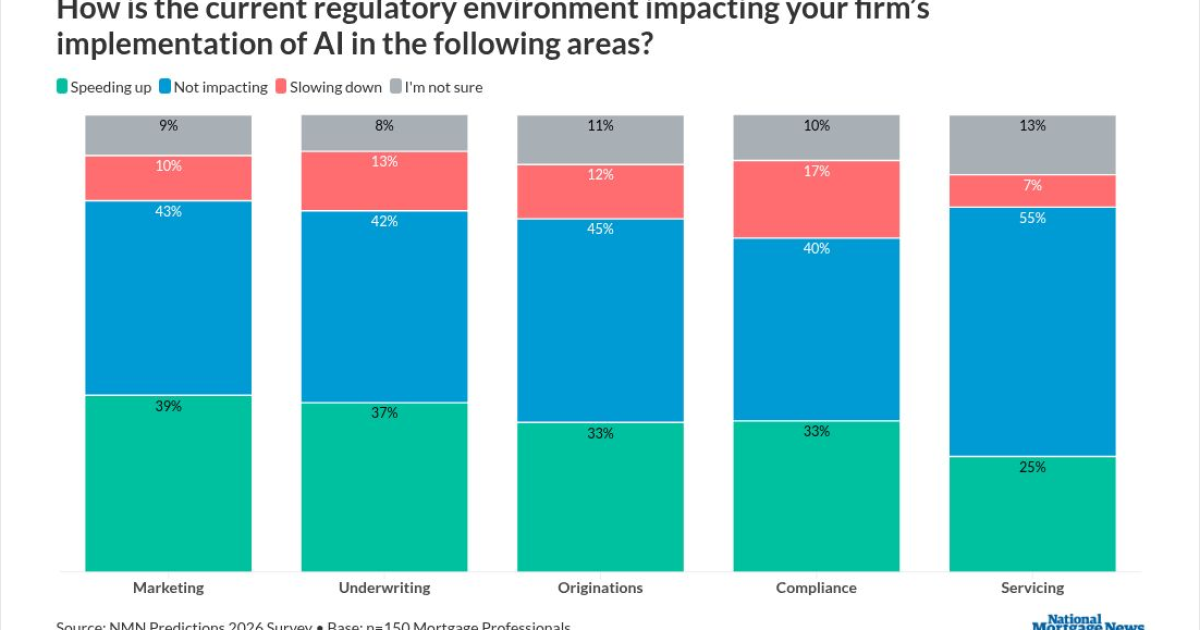
Artificial intelligence is finally stepping into the mortgage underwriting spotlight, with 57% of mortgage professionals predicting it will drive the most transformative industry shift in 2026. Thanks to major advancements in language models and workflow automation, AI is now capable of navigating the messy, document-heavy realities that have long slowed underwriting. From faster preapprovals to improved credit analysis and real‑time income verification, AI is streamlining processes while allowing underwriters to focus on true risk management. As regulatory winds shift and grassroots pressure builds within lending teams, the industry is entering a pivotal era where AI‑powered underwriting becomes not just an advantage — but an expectation.

Portland’s Commercial Market Suffers a Historic $2 Billion Collapse

Portland’s top 20 office towers have lost an unprecedented 70% of their value since 2019—plunging from $3 billion to under $1 billion—triggering tax revenue shortfalls, budget crises, and a surge in appeals as the city grapples with its biggest commercial real estate reset in modern history.

When Virtual Reality Becomes the New Penthouse Tour: Miami Students Step Inside a $1M Tech-Driven Luxury Tower Experience

South Florida’s luxury real estate market just raised the bar again — this time with a $1 million virtual reality system that lets buyers walk through Dolce & Gabbana’s upcoming Miami tower long before construction wraps. Real estate master’s students were given an immersive look inside the project, discovering how VR is transforming high‑end development, influencing buyer psychology, and shaping the future skills today’s professionals need.

Long Island’s Latest Commercial Moves: From Pizza Huts to Auto Parts Warehouses

Long Island’s commercial real estate scene is kicking off 2026 with a surge of activity—industrial leases in Medford, neighborhood retail trades in Bohemia, Pizza Hut’s new DELCO expansion in Centereach, mixed‑use acquisitions in Melville, and major investor interest in bank‑leased and franchise-backed properties. From warehouses to restaurant rebrands, these deals highlight a region evolving fast and offering fresh opportunities for agents, investors, and professionals looking to stay ahead in the market.