Agents Want Tech That Saves Brainpower: What the 2026 Zillow Survey Reveals About the Future of Real Estate
Every real estate professional knows that time is money. But according to the new Zillow 2026 Agent Trends Survey, what agents value even more than time or cost savings is something far more personal: mental energy. In a world where agents juggle clients, deadlines, market shifts, transaction management and more, the biggest win is technology that reduces cognitive load.
The survey reveals that ease of use now outranks cost as the top deciding factor when agents choose new tech tools. Yet despite this clear desire for simplicity, most agents still operate across two to four platforms every week. Fragmented systems remain the norm, which drains mental energy that could be redirected toward serving clients and generating business.
AI Has Become a Daily Habit for Almost Half of Agents
One of the most striking shifts in 2026 is the speed at which AI adoption has moved from novelty to necessity. Nearly half of agents now use tools like ChatGPT, Gemini, Claude and Copilot daily. Agents working on teams are even more likely to integrate AI into their workflow, using it for writing follow-up emails, summarizing insights, responding to leads and prepping marketing materials.
However, a substantial segment of the industry still lags behind. About one-quarter of agents rarely or never use AI tools. And while agent adoption is accelerating, clients are not keeping pace; most agents report that their clients use AI infrequently or not at all.
Cameron Swiggett, Zillow’s vice president of Product, captures this moment well: AI is not here to edge agents out; it is here to give them an edge. By offloading repetitive tasks, agents can conserve headspace for the work that matters: relationships, strategy and guiding clients through major financial moves.
Zillow Pro: A Unified, AI-Powered Platform for Agents
To meet the industry’s growing need for simplicity, Zillow is preparing to launch Zillow Pro, an all-in-one platform designed to unify key tools agents rely on. The platform brings together buyer insights, seller activity signals, an intuitive CRM powered by Follow Up Boss and premium branding tools. All of this is backed by Zillow’s robust search data and AI capabilities.
The goal is simple: reduce friction, eliminate platform-hopping and give agents a centralized command center for business growth. Agents can join the Zillow Pro interest list directly on Zillow’s site.
What Else the 2026 Survey Reveals About Todays Real Estate Landscape
Agents are filling a financial literacy gap. Nearly half say buyers overestimate what they can afford, and many clients arrive with limited financing knowledge. Tools like Zillow Home Loans verified pre-approval and the Buyability tool help educate consumers early.
Pre-approvals are more common but inconsistent. About half of agents say new leads arrive pre-approved at least sometimes, while the other half say it is frequent.
Relationships remain the strongest business generator. Nearly every agent relies on their sphere of influence for new leads, especially seasoned agents with maturing networks.
Comparables still drive pricing strategy. Three-quarters of agents use comp data heavily, and 67 percent rely on days-on-market statistics.
What This Means for Aspiring and Active Real Estate Professionals
The report highlights a truth that both new and seasoned agents must embrace: the future of real estate rewards simplicity, adaptability and tech fluency. Licensing schools like Cameron Academy focus on preparing students for both the state exam and the fast-evolving industry that awaits them.
Students who train in modern, workflow-aware environments enter the field ready to use tools like AI assistants, CRMs and automated communication systems from day one. This gives them an edge in a market where clients expect fast responses and clear, confident guidance.
Even experienced agents benefit from ongoing education. Professionals who master AI, reduce mental load and adopt unified systems will be the ones who thrive in 2026 and beyond.
To explore the full original report, check out RISMedia or visit Zillow directly for Zillow Pro updates and more research insights.
More Articles
Getting licensed or staying ahead in your career can be a journey—but it doesn’t have to be overwhelming. Grab your favorite coffee or tea, take a moment to relax, and browse through our articles. Whether you’re just starting out or renewing your expertise, we’ve got tips, insights, and advice to keep you moving forward. Here’s to your success—one sip and one step at a time!
After nearly 20 years under uniquely harsh lending rules, Florida may finally see its condo market freed from a 25% down payment requirement imposed only on the state. Industry leaders say Fannie Mae could announce changes as early as December—potentially restoring the standard 10% down payment used everywhere else in the country. Experts believe the shift would boost maintenance funding, improve affordability, and stabilize Florida’s condo market after years of strain.
Phoenix’s commercial real estate market is shaking off years of uncertainty as broker optimism hits its highest level since interest rates began climbing. The latest ASU Commercial Broker Sentiment Index soared to 62.7, signaling strong confidence across multifamily, retail, office, and capital markets. With population growth accelerating, interest rates easing, and AI boosting industry efficiency, Phoenix is positioning itself for a powerful run into 2026—offering meaningful opportunities for both new and seasoned real estate professionals.
Michigan’s House Rules Committee heard testimony on a proposal that would let licensed professionals complete all required continuing education online. Supporters say the change would modernize outdated rules, reduce costs, and improve access for rural and busy workers. The state licensing department backs the measure, and lawmakers noted it could reshape CE options across industries from real estate to insurance and healthcare.
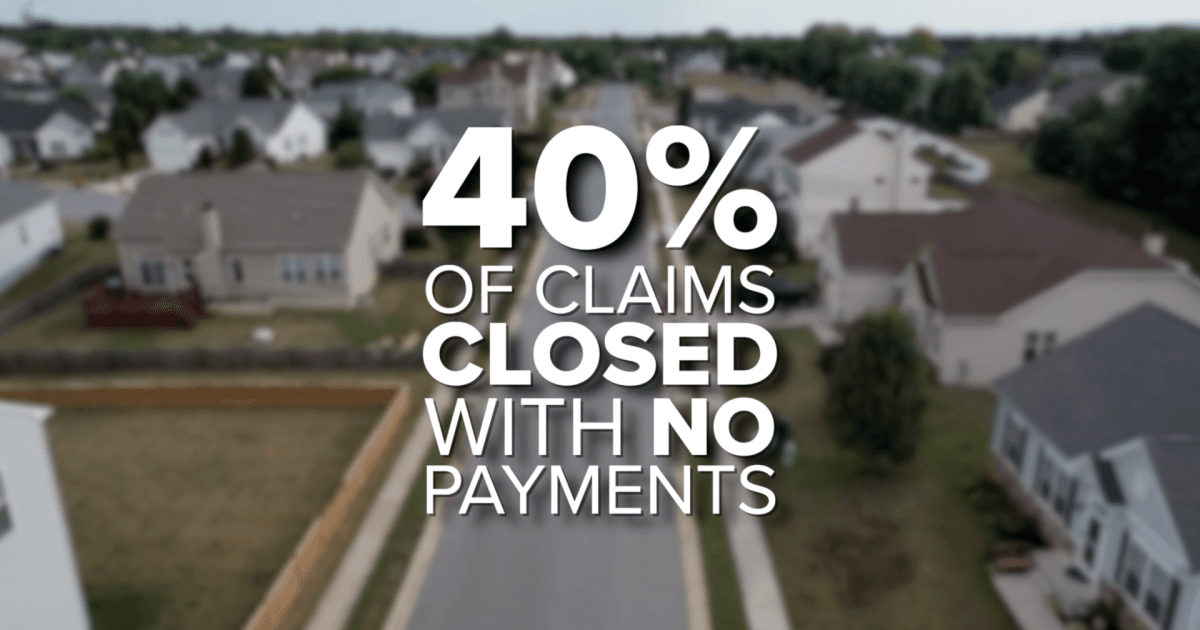
Florida homeowners are now paying an average of $5,838 per year for insurance — nearly $3,000 above the national average — making it one of the most expensive states in the country. As premiums continue to triple for some residents, many are being forced into tough decisions, from delaying home improvements to dropping coverage altogether. With more than 40% of claims closed with no payment and lawmakers pushing for aggressive reforms, the crisis is reshaping Florida’s housing market and placing growing pressure on real estate, mortgage, and insurance professionals statewide.
Griffin Funding has elevated John Jones to Senior Vice President of Growth and EOS Integrator, marking a major step in the company’s long-term expansion strategy. Already a key operational leader since April 2025, Jones will now drive performance optimization, market expansion, and leadership development as the lender pursues an ambitious goal of reaching $3 billion in annual non-QM loan volume by 2030. His promotion underscores Griffin Funding’s commitment to scaling strategically while strengthening its position in the fast-growing non-QM space.
Despite recent Federal Reserve rate cuts, commercial real estate remains frozen. Long‑term Treasury yields continue to climb, keeping borrowing costs high and preventing the relief investors expected. With nearly $1 trillion in commercial loans coming due, refinancing at today’s elevated rates is squeezing owners, slowing transactions, and creating a widening gap between buyers and sellers. For patient, well‑capitalized investors, this period of recalibration may offer some of the strongest opportunities in years.