As the digital age continues to unfold, the healthcare industry stands on the precipice of a transformation as profound as it is promising. The catalyst? Artificial Intelligence (AI). Known for its ability to replicate human cognitive functions, AI is poised to revolutionize how we approach health and wellness, from routine screenings to complex diagnostics and treatment strategies.
The Promise of AI in Healthcare
AI is not a distant dream but a present reality, already integrated into everyday life through virtual assistants like Alexa and Siri. However, its potential extends far beyond convenience, reaching into the intricate world of healthcare. According to the National Academy of Medicine, AI can significantly enhance patient outcomes, reduce healthcare costs, and improve population health.
In radiology, for instance, AI accelerates cancer screening results, offering swift and accurate diagnoses. A notable application is in the analysis of polycystic kidney disease (PKD), where AI rapidly evaluates total kidney volume, a critical factor in predicting disease progression.
Cardiology and Risk Assessment
AI’s capabilities extend into cardiology, where it has demonstrated a remarkable ability to identify risks for conditions like left ventricular dysfunction before symptoms appear. This proactive approach allows for early intervention, potentially averting serious health crises. AI tools also detect coronary artery calcium, signaling the risk of heart attacks or strokes years in advance, thus offering a window of opportunity for preventive care.
Beyond Diagnostics: AI in Public Health
AI’s influence is not confined to individual patient care. It plays a vital role in public health management, particularly in disease prevention and outbreak prediction. During the COVID-19 pandemic, AI could have analyzed internet search trends and social media data to anticipate outbreak hotspots, aiding public health officials in making informed decisions to curb the spread.
AI as a Complement to Human Expertise
While AI shows promise in enhancing medical accuracy, such as in predicting mesothelioma survival and improving colonoscopy accuracy, it is not intended to replace healthcare professionals. Instead, AI serves as an invaluable assistant, managing routine tasks and sifting through vast volumes of medical literature, thus freeing doctors to focus on patient care.
However, the integration of AI in healthcare is not without challenges. Concerns about bias in AI algorithms, if trained on non-representative data, and the dissemination of misinformation through AI chatbots underscore the need for effective regulation.
The Road Ahead
The future of AI in healthcare is bright, with exciting possibilities on the horizon. From remote health monitoring and early diagnosis of imperceptible conditions to selecting suitable clinical trials, AI stands to redefine the landscape of medical care. The Mayo Clinic is at the forefront of this innovation, striving to harness AI’s potential to create new methods for diagnosing, treating, predicting, preventing, and curing diseases.
As AI continues to evolve, its role in healthcare will undoubtedly expand, offering new tools and insights that promise to enhance both individual and public health outcomes.
More Articles
Getting licensed or staying ahead in your career can be a journey—but it doesn’t have to be overwhelming. Grab your favorite coffee or tea, take a moment to relax, and browse through our articles. Whether you’re just starting out or renewing your expertise, we’ve got tips, insights, and advice to keep you moving forward. Here’s to your success—one sip and one step at a time!
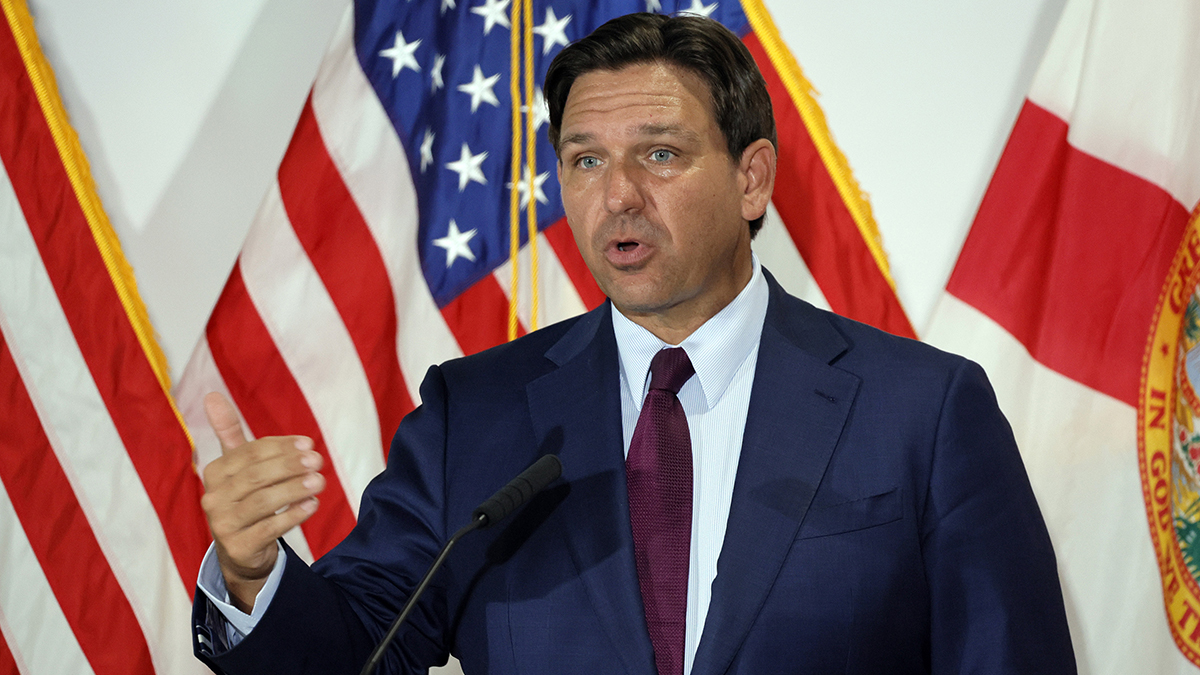
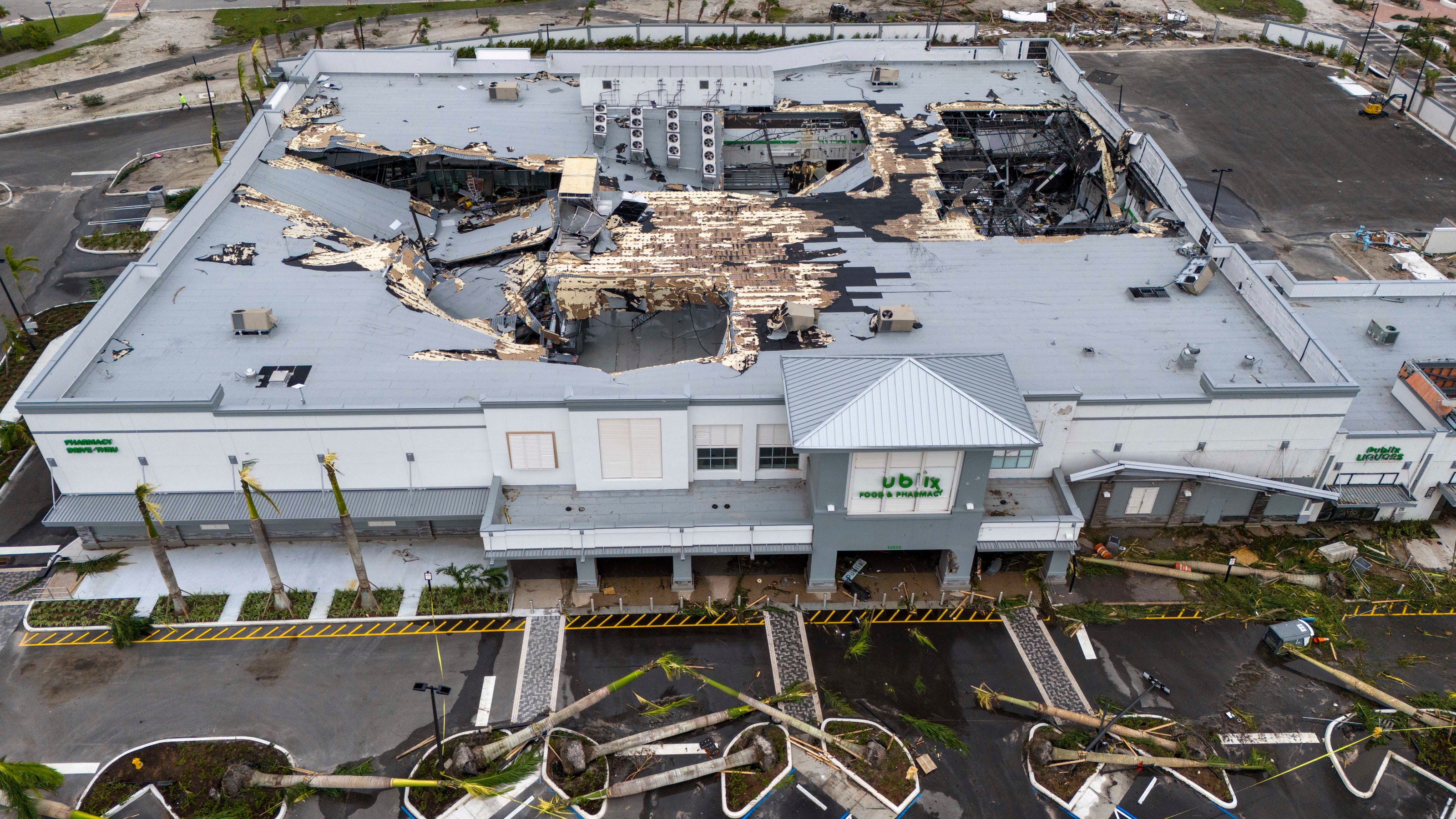
Florida homeowners — especially in hard‑hit South Florida — are set to see rare and substantial reductions in their property insurance premiums. Gov. Ron DeSantis announced an average statewide Citizens Insurance decrease of 8.7%, with even larger savings of up to 14% in counties like Miami-Dade, Broward, and Palm Beach. State officials credit recent legal and regulatory reforms for stabilizing the market, attracting new insurers, and delivering the first meaningful rate relief Floridians have seen in years.
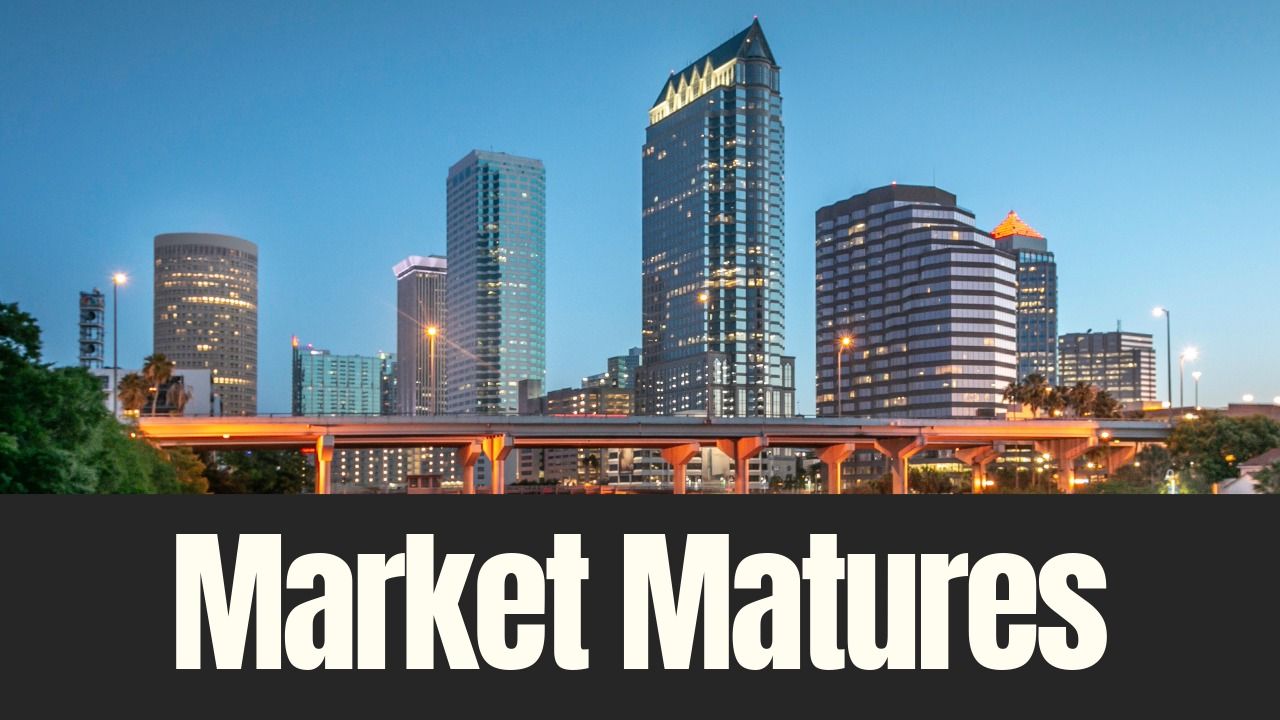
Tampa’s commercial real estate market isn’t slowing—it’s maturing. With strong population growth, rising office demand, a normalized industrial sector, resurgent retail, and an emerging health‑care real estate boom, investors are shifting from speed to strategy. Tighter underwriting, cautious capital and increased due‑diligence are shaping a more disciplined market, creating new opportunities for informed professionals.
Florida homeowners are finally seeing relief as Citizens Property Insurance announces a major 8.7% average rate decrease—far larger than originally proposed. Driven by legislative reforms, fewer lawsuits, and a calm hurricane season, the state’s once‑unstable insurance market is showing real signs of recovery. But with reduced coverage limits and shifting legal protections, experts warn that lower premiums may come with hidden trade‑offs.
After a decade of rising premiums and retreating carriers, Florida homeowners are finally seeing long‑awaited relief. Dozens of insurers have filed for rate decreases—some as high as 11%—thanks to legislative reforms and a stabilizing market. Early approvals are already hitting counties across the state, and experts say the momentum could boost buyer confidence, affordability, and competition throughout Florida’s real estate and insurance sectors.
After years of slowed activity caused by rising interest rates, the self‑storage industry is heating up again. New data from Marcus & Millichap shows a fresh market cycle emerging, driven by renewed buyer confidence, recalibrated pricing, and stronger lender participation. Acquisitions are rebounding, development is resetting in a healthier direction, and financing conditions are improving—creating one of the most promising investment landscapes the sector has seen in years.
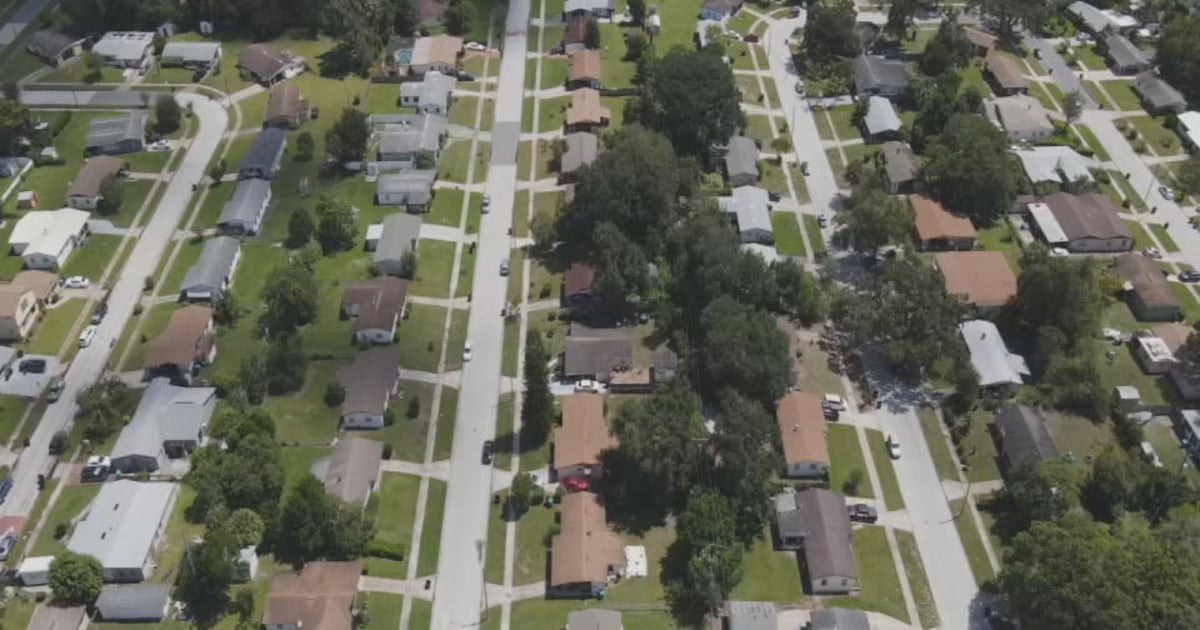
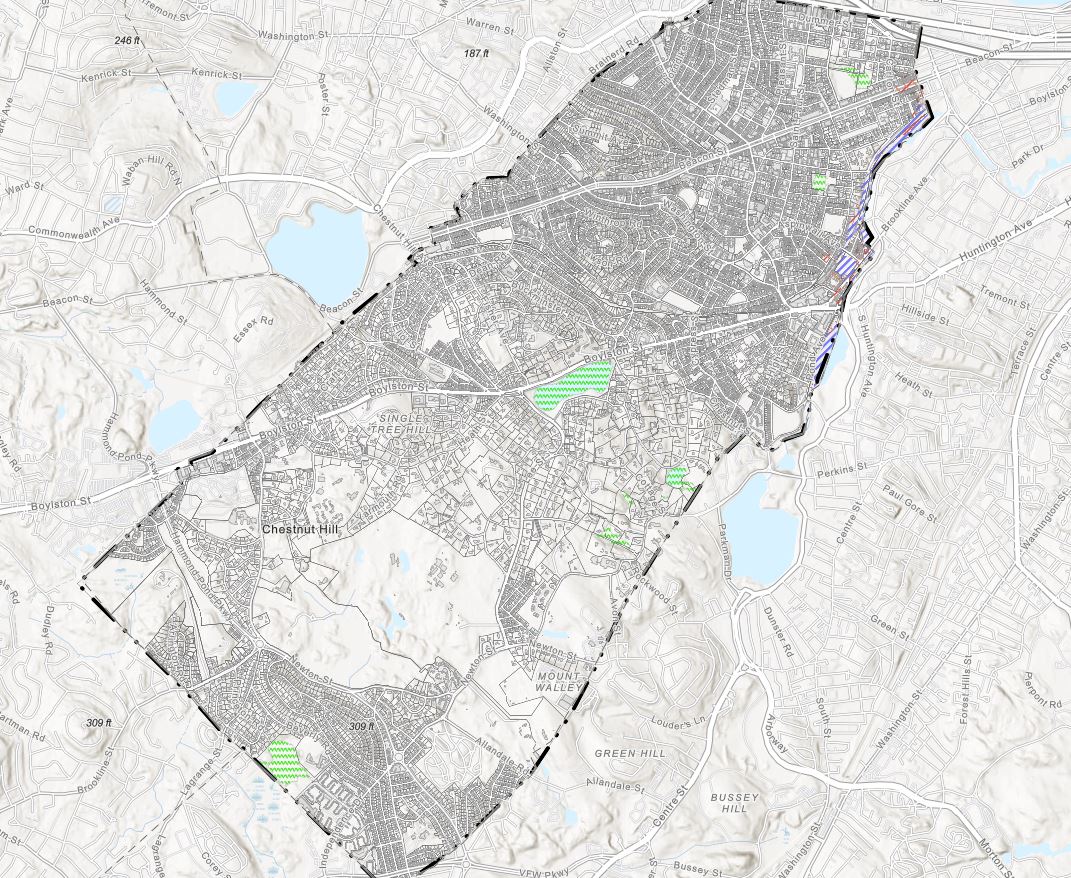
Brookline’s newly updated FEMA flood maps identify 97 high‑risk parcels, but local experts warn the true threat is far greater. While FEMA highlights river‑based flooding around Leverett Pond and the Muddy River, alternative models show more than 1,300 Brookline properties at risk within 30 years. Hidden vulnerabilities along major corridors like Beacon Street, rising rainfall intensity, aging infrastructure, and climate‑driven storm patterns suggest that many “low‑risk” areas may be anything but safe.