As the digital age continues to unfold, the healthcare industry stands on the precipice of a transformation as profound as it is promising. The catalyst? Artificial Intelligence (AI). Known for its ability to replicate human cognitive functions, AI is poised to revolutionize how we approach health and wellness, from routine screenings to complex diagnostics and treatment strategies.
The Promise of AI in Healthcare
AI is not a distant dream but a present reality, already integrated into everyday life through virtual assistants like Alexa and Siri. However, its potential extends far beyond convenience, reaching into the intricate world of healthcare. According to the National Academy of Medicine, AI can significantly enhance patient outcomes, reduce healthcare costs, and improve population health.
In radiology, for instance, AI accelerates cancer screening results, offering swift and accurate diagnoses. A notable application is in the analysis of polycystic kidney disease (PKD), where AI rapidly evaluates total kidney volume, a critical factor in predicting disease progression.
Cardiology and Risk Assessment
AI’s capabilities extend into cardiology, where it has demonstrated a remarkable ability to identify risks for conditions like left ventricular dysfunction before symptoms appear. This proactive approach allows for early intervention, potentially averting serious health crises. AI tools also detect coronary artery calcium, signaling the risk of heart attacks or strokes years in advance, thus offering a window of opportunity for preventive care.
Beyond Diagnostics: AI in Public Health
AI’s influence is not confined to individual patient care. It plays a vital role in public health management, particularly in disease prevention and outbreak prediction. During the COVID-19 pandemic, AI could have analyzed internet search trends and social media data to anticipate outbreak hotspots, aiding public health officials in making informed decisions to curb the spread.
AI as a Complement to Human Expertise
While AI shows promise in enhancing medical accuracy, such as in predicting mesothelioma survival and improving colonoscopy accuracy, it is not intended to replace healthcare professionals. Instead, AI serves as an invaluable assistant, managing routine tasks and sifting through vast volumes of medical literature, thus freeing doctors to focus on patient care.
However, the integration of AI in healthcare is not without challenges. Concerns about bias in AI algorithms, if trained on non-representative data, and the dissemination of misinformation through AI chatbots underscore the need for effective regulation.
The Road Ahead
The future of AI in healthcare is bright, with exciting possibilities on the horizon. From remote health monitoring and early diagnosis of imperceptible conditions to selecting suitable clinical trials, AI stands to redefine the landscape of medical care. The Mayo Clinic is at the forefront of this innovation, striving to harness AI’s potential to create new methods for diagnosing, treating, predicting, preventing, and curing diseases.
As AI continues to evolve, its role in healthcare will undoubtedly expand, offering new tools and insights that promise to enhance both individual and public health outcomes.
More Articles
Getting licensed or staying ahead in your career can be a journey—but it doesn’t have to be overwhelming. Grab your favorite coffee or tea, take a moment to relax, and browse through our articles. Whether you’re just starting out or renewing your expertise, we’ve got tips, insights, and advice to keep you moving forward. Here’s to your success—one sip and one step at a time!
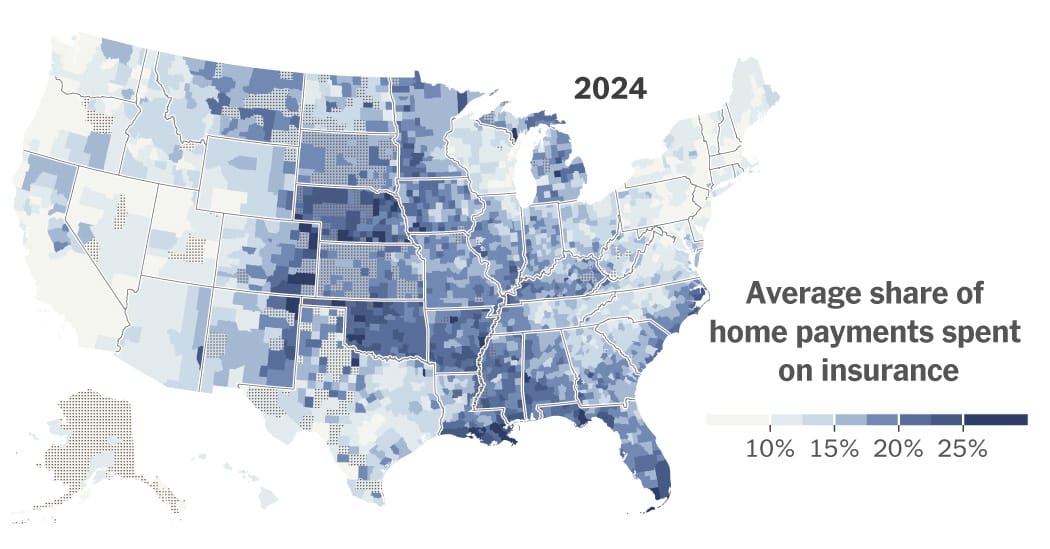
A surge in home insurance premiums is reshaping housing markets across the country, hitting disaster‑prone regions the hardest. From Louisiana to Colorado and California, deals are collapsing, buyers are backing out, and home values are dropping as insurance becomes a central affordability hurdle. New data shows climate‑driven risk repricing and soaring reinsurance costs are stripping tens of thousands of dollars from property values, forcing some homeowners to sell at a loss—or go uninsured altogether.
After years of sluggish activity, the National Association of REALTORS predicts 2026 could mark the long‑awaited rebound for the housing market. With a projected 14% jump in home sales, steadier rates near 6%, and rising buyer activity, NAR economists say momentum is already building. Early signs—like a 31% surge in mortgage applications, continued job growth, and stabilizing prices—suggest a stronger, more confident market ahead, creating fresh opportunities for both seasoned professionals and aspiring agents preparing to enter the field.
A surge of global capital is reshaping real estate heading into 2026, with investors shifting toward hands‑on strategies, cross‑border diversification, and high‑growth asset classes like data centers. Colliers’ 2026 Global Investor Outlook highlights rising confidence, improving liquidity, and a major pivot toward direct investing and value‑add opportunities. From office market rebounds to Asia Pacific’s rapid fundraising growth, the report outlines trends every real estate professional should understand as the industry enters a more dynamic, opportunity‑rich cycle.
Culver City just became the first place in California to legalize six‑story apartment buildings with only one staircase — a simple change that could reshape mid‑rise housing statewide. By freeing up as much as 7% more usable floor space, architects say single‑stair designs allow bigger units, more windows, and the kind of elegant layouts common in New York and Europe. If the city’s six‑year experiment succeeds, it may spark a broader rethinking of U.S. building codes and open the door to more flexible, affordable multifamily development across California.
Stratford homeowners are receiving their 2025 Notices of Assessment Change, marking the town’s first property revaluation since 2019. Officials emphasize that rising assessments do not equal higher tax bills, as a new mill rate won’t be set until spring 2026. Residents can challenge or review their updated valuations through informal hearings hosted by Vision Government Solutions, with appointments available for one week after receiving a notice.
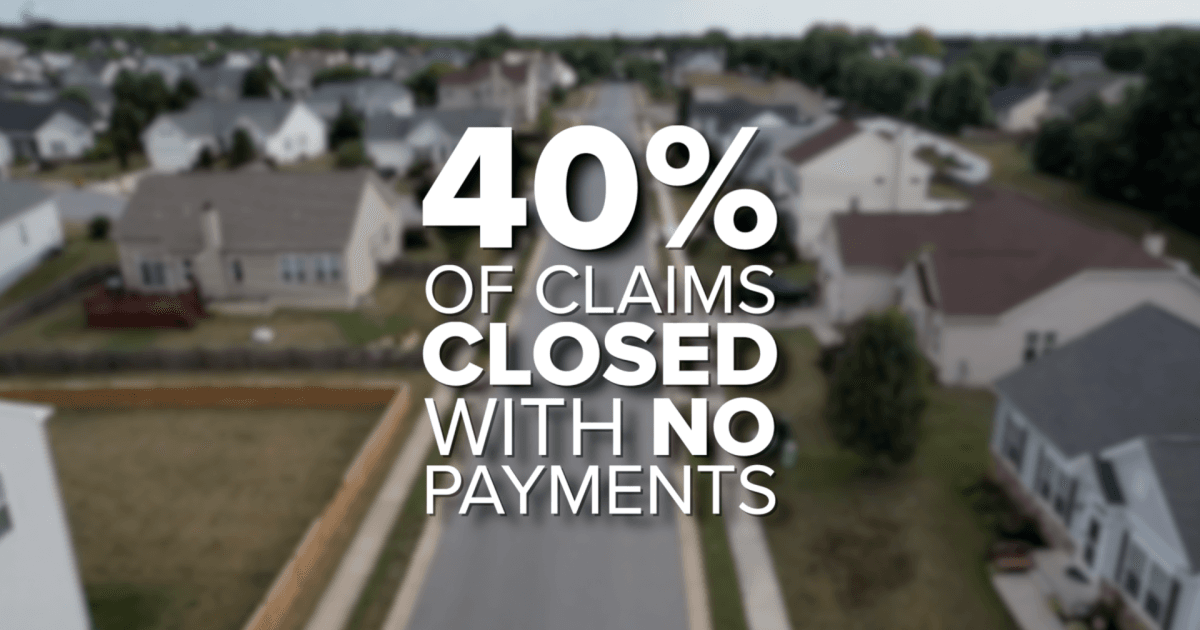
New reporting reveals Florida homeowners now face an average insurance premium of $5,838 per year — nearly triple the national average. With skyrocketing rates, denied claims, and mounting non-renewals, residents are being pushed to tough financial decisions while lawmakers scramble to implement reforms. From retirees skipping coverage to families battling insurers for fair payouts, Florida’s insurance crisis is reshaping both the housing market and the daily lives of homeowners statewide.