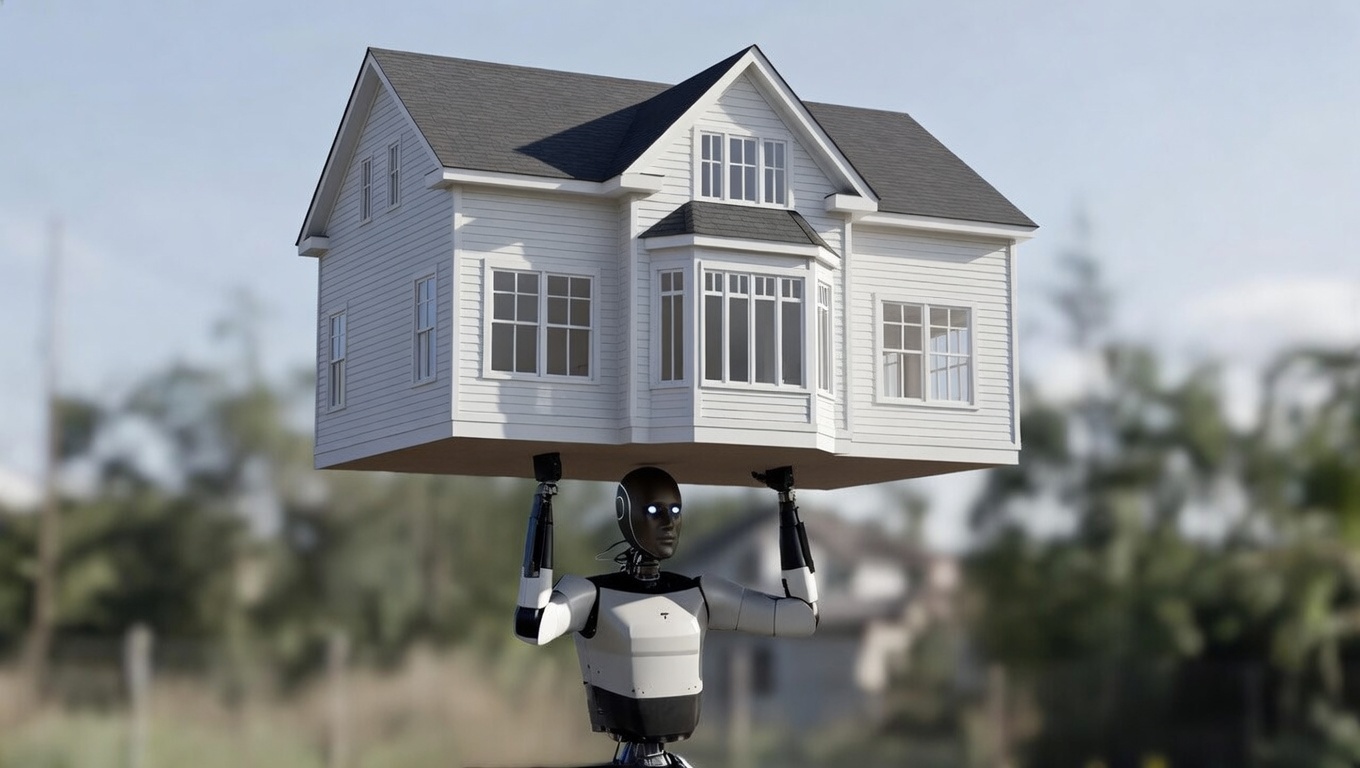
AI: A Revolutionary Force in Property Valuation
Boosting Efficiency and Precision Through Innovative Technology
The advent of Artificial Intelligence (AI) has ushered in a new era in the realm of property valuation and appraisal. This article delves into the profound impact of AI on property valuations, underscoring its potential to enhance efficiency, accuracy, and data-driven decision-making.
The traditional methods of appraisal are gradually being eclipsed by AI, a formidable tool capable of swiftly analyzing vast amounts of data, thereby providing real-time insights into property values.
However, while AI plays a pivotal role in streamlining the valuation process, the importance of human expertise in interpreting data and making informed judgments cannot be undermined. A blend of AI and human judgment ensures accurate and reliable property valuations.
AI: A Catalyst for Efficiency in Property Valuations
AI has revolutionized the property valuation process by significantly improving efficiency. With its ability to analyze massive amounts of data in a fraction of the time it would take a human appraiser, AI has transformed the way properties are assessed.
By leveraging advanced algorithms and machine learning, AI can consider various factors such as location, amenities, market conditions, and historical data to generate accurate property valuations. This not only saves time but also reduces the subjectivity often associated with traditional appraisal methods.
The efficiency of AI in property valuations has enabled lenders, homeowners, and real estate professionals to make faster and more informed decisions, leading to a more efficient real estate market.

Interpreting Data: The Indispensable Role of Human Expertise
While AI has revolutionized the property valuation process, it is important to recognize that human expertise remains invaluable in interpreting data and making informed judgments.
AI can analyze data and generate valuations, but it takes human judgment to understand the nuances, contextual factors, and unique characteristics of each property. Human appraisers bring years of experience, market knowledge, and a deep understanding of local conditions that AI cannot replicate.
The combination of AI and human expertise ensures a comprehensive and accurate assessment of property values, providing a holistic approach to property valuations that combines the best of both worlds.

AI’s Impact on Valuation Products: A Look into the Future
How AI is Transforming Valuation Products
AI has also made significant strides in the development of valuation products for Home Equity Lines of Credit (HELOCs) and second-lien mortgages. These products leverage AI technology to assess risk more effectively, providing lenders with a comprehensive understanding of the property’s value.
By incorporating AI into valuation products, lenders can make more informed decisions, mitigate risk, and ensure the accuracy of property valuations. This not only benefits lenders but also borrowers, as it enables fair and transparent lending practices.
Property Valuations: A Glimpse into the Future
As AI continues to evolve, we can expect further advancements in the property valuation and appraisal process. AI’s ability to analyze data, identify trends, and generate accurate valuations will only improve with time.
However, it is essential to strike a balance between AI and human expertise. While AI can provide valuable insights, human judgment and local market knowledge will always be critical in interpreting data and making informed decisions.
The future of property valuations lies in the synergy between AI and human expertise, ensuring accurate, reliable, and contextually informed property valuations.
Embrace the Power of AI in Property Valuations
Take the next step in your career with Cameron Academy.
Our online career education courses provide the competitive advantage you need to excel in the field of property valuations. Gain the skills, knowledge, and industry insights to embrace the power of AI in property valuations.
Ready to Embark on a New Journey?
Explore our courses and start your journey towards success today.
Explore Our Courses