The age of
artificial intelligence (AI) and
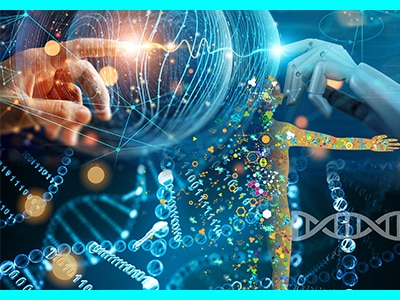
machine learning has arrived, promising to revolutionize healthcare. With projections estimating that
AI in healthcare will grow into a
$188 billion industry worldwide by 2030, the potential impact is immense. But what does this mean for the future of healthcare?
AI is already being integrated into
healthcare systems, from developing new drugs and treatments to diagnosing complex conditions more efficiently and improving access to critical care. This is just the beginning of what
AI can offer in a medical context.
Benefits of AI in Healthcare
AI, which involves using computers to perform tasks that traditionally required human intelligence, is transforming healthcare. When combined with
machine learning,
AI can process large datasets to learn and solve complex problems, much like a human would. This technology is being used across various medical fields, including
radiology,
neurology, and
emergency response services, to enhance efficiency and effectiveness.
According to
Rohit Chandra, PhD, Cleveland Clinic’s Chief Digital Officer, “AI is no longer just an interesting idea, but it’s being used in a real-life setting.” He highlights that
AI can now read
MRIs and
X-rays with greater accuracy than humans in certain cases, showcasing its advanced capabilities.
AI and Diagnostics
AI’s role in diagnostics is particularly promising. For conditions like broken bones, breast cancer, and brain bleeds, accurate diagnosis is crucial.
AI assists radiologists by acting as a “second pair of eyes,” helping to identify diseases earlier and more accurately. Dr. Po-Hao Chen, a diagnostic radiologist at Cleveland Clinic, explains that
AI works alongside radiologists to enhance diagnostic performance.
In breast cancer radiology,
AI has shown significant promise. Dr. Laura Dean, a breast cancer radiologist, notes that
AI assists in identifying subtle changes in breast tissue patterns, which can be crucial for early detection. Programs like
ProFound AI are used to compare mammography images against learned datasets, highlighting areas of concern with a confidence level.
AI in Triage and Patient Management
AI is also improving patient care accessibility, especially in emergency situations. For instance,
AI is used to triage medical cases, prioritizing those most critical. In stroke cases, where every minute counts,
AI can analyze brain scans rapidly, expediting the care process. Programs like
Viz.ai streamline communication among medical professionals, ensuring timely treatment.
The Future of AI in Healthcare
The future of
AI in healthcare is particularly bright in the realm of research. Dr. Lara Jehi, Cleveland Clinic’s Chief Resource Information Officer, emphasizes the potential of
AI in generating new knowledge and understanding diseases better. Her work in epilepsy surgery demonstrates how
machine learning can improve decision-making and treatment outcomes.
As we continue to explore
AI’s possibilities, ethical and safe use remains paramount. The World Health Organization has issued
guidelines to ensure
AI’s responsible integration into healthcare.
In conclusion,
AI is poised to transform healthcare, offering unprecedented insights and efficiencies. As
AI technology advances, it promises to enhance patient care and drive medical research to new heights.