The age of artificial intelligence (AI) and machine learning has arrived, promising to revolutionize healthcare. With projections estimating that AI in healthcare will grow into a $188 billion industry worldwide by 2030, the potential impact is immense. But what does this mean for the future of healthcare?

AI is already being integrated into healthcare systems, from developing new drugs and treatments to diagnosing complex conditions more efficiently and improving access to critical care. This is just the beginning of what AI can offer in a medical context.

Benefits of AI in Healthcare


AI, which involves using computers to perform tasks that traditionally required human intelligence, is transforming healthcare. When combined with machine learning, AI can process large datasets to learn and solve complex problems, much like a human would. This technology is being used across various medical fields, including radiology, neurology, and emergency response services, to enhance efficiency and effectiveness.

According to Rohit Chandra, PhD, Cleveland Clinic’s Chief Digital Officer, “AI is no longer just an interesting idea, but it’s being used in a real-life setting.” He highlights that AI can now read MRIs and X-rays with greater accuracy than humans in certain cases, showcasing its advanced capabilities.

AI and Diagnostics


AI’s role in diagnostics is particularly promising. For conditions like broken bones, breast cancer, and brain bleeds, accurate diagnosis is crucial. AI assists radiologists by acting as a “second pair of eyes,” helping to identify diseases earlier and more accurately. Dr. Po-Hao Chen, a diagnostic radiologist at Cleveland Clinic, explains that AI works alongside radiologists to enhance diagnostic performance.

In breast cancer radiology, AI has shown significant promise. Dr. Laura Dean, a breast cancer radiologist, notes that AI assists in identifying subtle changes in breast tissue patterns, which can be crucial for early detection. Programs like ProFound AI are used to compare mammography images against learned datasets, highlighting areas of concern with a confidence level.

AI in Triage and Patient Management


AI is also improving patient care accessibility, especially in emergency situations. For instance, AI is used to triage medical cases, prioritizing those most critical. In stroke cases, where every minute counts, AI can analyze brain scans rapidly, expediting the care process. Programs like Viz.ai streamline communication among medical professionals, ensuring timely treatment.

The Future of AI in Healthcare


The future of AI in healthcare is particularly bright in the realm of research. Dr. Lara Jehi, Cleveland Clinic’s Chief Resource Information Officer, emphasizes the potential of AI in generating new knowledge and understanding diseases better. Her work in epilepsy surgery demonstrates how machine learning can improve decision-making and treatment outcomes.

As we continue to explore AI’s possibilities, ethical and safe use remains paramount. The World Health Organization has issued guidelines to ensure AI’s responsible integration into healthcare.

In conclusion, AI is poised to transform healthcare, offering unprecedented insights and efficiencies. As AI technology advances, it promises to enhance patient care and drive medical research to new heights.


More Articles

Getting licensed or staying ahead in your career can be a journey—but it doesn’t have to be overwhelming. Grab your favorite coffee or tea, take a moment to relax, and browse through our articles. Whether you’re just starting out or renewing your expertise, we’ve got tips, insights, and advice to keep you moving forward. Here’s to your success—one sip and one step at a time!

Malware Trends 2025: The New Era of Subscription‑Based Cybercrime

Cybercrime in 2025 has evolved into a full‑scale service economy, with malware now available through subscription platforms that operate like mainstream tech businesses. Bitsight’s latest analysis reveals explosive growth in Malware‑as‑a‑Service tools, rising attacks across industries like healthcare, finance, tech, and real estate, and a surge in cross‑platform malware and supply‑chain exploits. For professionals in any licensed field, the message is clear: today’s digital landscape demands heightened vigilance, stronger identity security, and proactive defense against an increasingly organized underground threat environment.

The Proptech Revolution: How Gllit Is Making Real Estate Transactions as Simple as Booking a Flight

A new proptech startup in the UAE, Gllit is redefining how property deals happen by removing agents, eliminating commissions, and integrating AI tools that let users create professional listings in seconds. With a fast, transparent, and direct-to-owner model, Gllit offers a glimpse into the future of global real estate — and a powerful case study for U.S. professionals preparing for tech-driven changes in the industry.

2026 Housing Market Outlook: What Buyers, Renters, and Agents Need to Know

The 2026 housing market is shaping up to be a year of stability with a few surprises. Mortgage rates are expected to hold steady, home price growth is slowing, and yet ownership costs continue to rise due to soaring taxes and insurance. Meanwhile, renting is becoming more attractive as affordability improves and built‑to‑rent communities expand. This breakdown highlights the biggest trends ahead — and what they mean for buyers, sellers, and real estate professionals, especially in Florida.

Florida Homeowners Slammed by Soaring Insurance Costs as Lawmakers Push for Major Reform

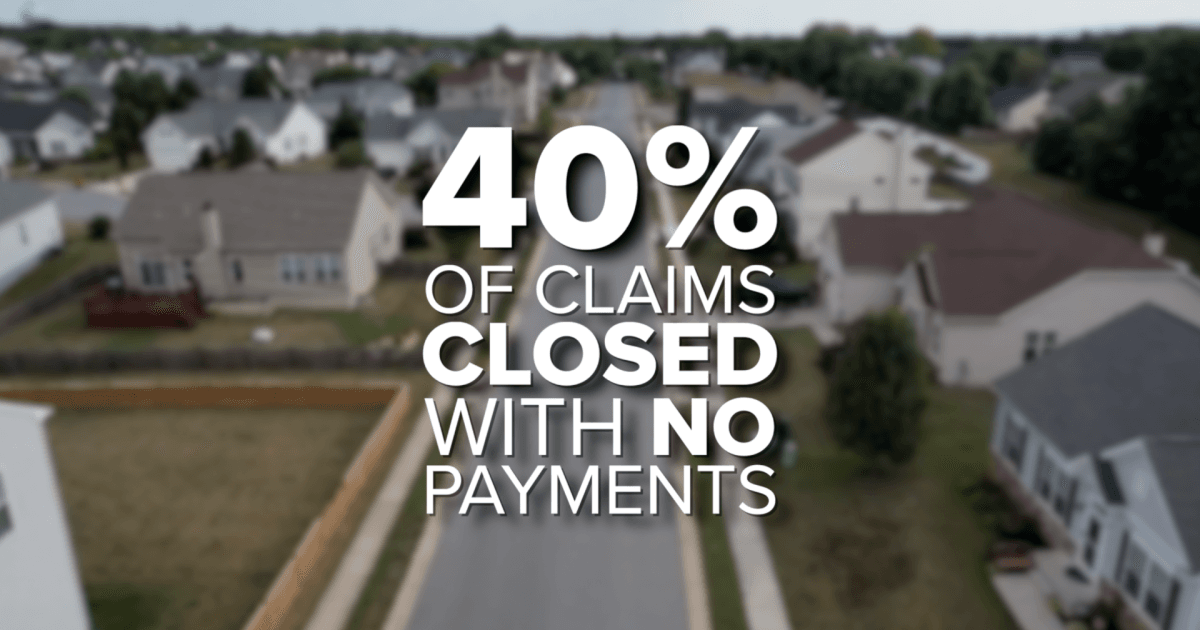
Florida homeowners are facing some of the highest insurance premiums in the nation, with average costs now topping $5,800 per year—about $3,000 above the U.S. average. Many residents report their rates have doubled or even tripled, while more than 40 percent of claims are closed with no payment. As frustration grows, state lawmakers and consumer advocates are pushing for transparency, rate caps, and incentives to help storm‑proof homes. The outcome of these reform efforts could reshape Florida’s real estate market, insurance landscape, and affordability for years to come.

Are Insurance Leaders Stuck in Silos? New Global Study Exposes a Hidden Weakness in Decision‑Making

A new global study from Risk.net and SAS reveals that many insurance companies are still making key decisions in isolated silos, despite industry-wide pushes toward data-driven strategies. While most leaders claim to have a clear vision, 38 percent admit they lack a real-time view of risks, revenue and costs. With poor data quality, limited collaboration and outdated processes holding teams back, experts say the industry is poised for a major transformation through AI, analytics and unified strategy—offering lessons for professionals across insurance, real estate, finance and other regulated fields.

Atlanta Housing Market Outlook 2025–2026: Stability, Rising Inventory, and What It Means for You

Atlanta’s housing market is shifting into a more balanced and predictable phase. Prices have leveled off, inventory has finally caught up, and mortgage rates are easing enough to bring buyers back into the game. With steady demand, growing listings, and only mild price corrections forecasted into 2026, Atlanta remains one of the Southeast’s strongest real estate markets for buyers, sellers, and investors alike.