In the ever-evolving world of
healthcare,
artificial intelligence (AI) and
machine learning are poised to revolutionize how we approach
medical treatment and
patient care. As reported in a recent article from
Cleveland Clinic Health Essentials, the integration of
AI into healthcare systems is not just a vision of the future; it is happening right now.
AI’s Role in Modern Healthcare
Already,
AI is being harnessed to develop new drugs, enhance diagnostic accuracy, and improve patient access to critical care. The projected growth of
AI in healthcare into a $188 billion industry by 2030 underscores its transformative potential. But what does this mean for patients and healthcare providers?
AI’s capabilities extend across various medical fields. From
radiology to
neurology, AI is enhancing the precision and speed of diagnostics. For instance, in radiology,
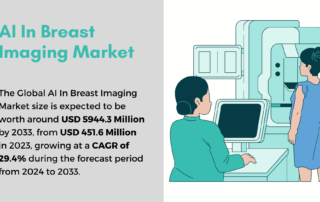
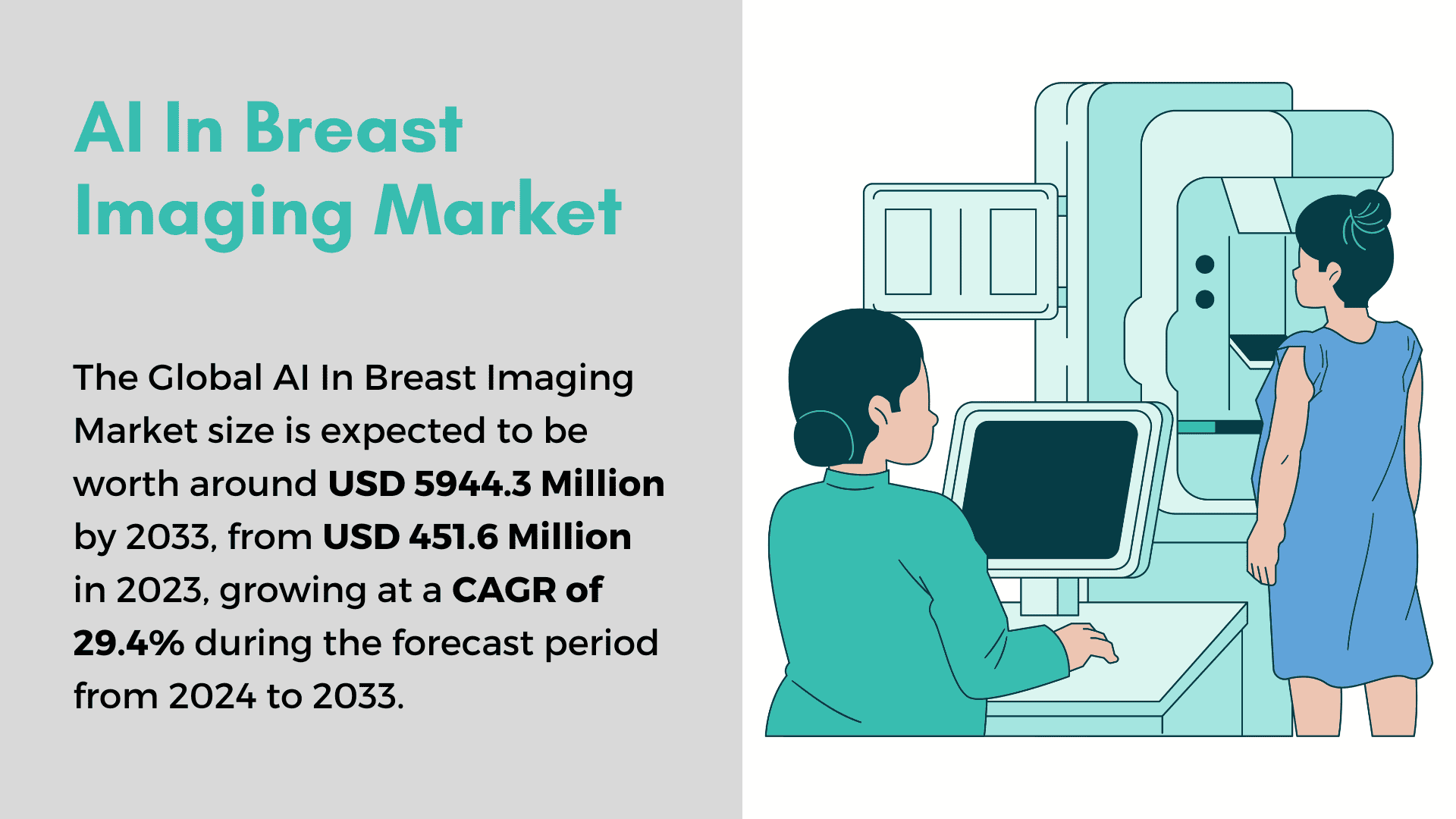
AI acts as a “second pair of eyes,” assisting radiologists in identifying complex conditions like
bone fractures and
breast cancer. As
Dr. Laura Dean explains, AI programs such as iCAD’s
ProFound AI can highlight potential malignancies, functioning as a critical tool in early cancer detection.
The Cleveland Clinic’s Commitment to AI
The Cleveland Clinic is at the forefront of
AI integration, having joined a
global AI Alliance to promote safe and responsible AI use. This collaboration, initiated by IBM and Meta, includes over 90 leading organizations in AI technology and research.
In addition, the
Discovery Accelerator, a partnership between the Cleveland Clinic and IBM, aims to accelerate biomedical discoveries using
AI. As
Dr. Lara Jehi notes, the shift from traditional lab experiments to computational tools is reshaping biomedical research, allowing for more detailed genetic analyses and improved treatment outcomes.
AI in Diagnostics and Triage
AI’s impact on diagnostics is profound. In stroke cases, for example,
AI tools like
Viz.ai expedite diagnosis and treatment by quickly analyzing brain scans and coordinating care. This rapid response is crucial in emergencies, where every minute counts.
In the realm of triage,
AI helps prioritize cases based on urgency, ensuring patients receive timely care. This technology is particularly beneficial in managing complex conditions, where early intervention can significantly improve outcomes.
Future Prospects and Ethical Considerations
The future of
AI in healthcare is bright, with ongoing research focused on enhancing predictive models and understanding genetic factors in diseases like epilepsy. As Dr. Jehi emphasizes,
AI offers unprecedented insights, transforming how we conduct research and develop new treatments.
However, as
AI continues to evolve, ethical considerations remain paramount. The World Health Organization has issued
guidelines to ensure AI is used safely and ethically in healthcare settings.
As we navigate this
AI-driven era, the potential for improved patient care and medical advancements is limitless, provided we maintain a focus on ethics and safety.