Artificial intelligence is no longer a side tool in real estate. It is weaving itself directly into property searches, listing creation, marketing strategies, and even back-end MLS infrastructure. As the industry leans deeper into AI-powered systems, the central question becomes who is responsible for protecting the accuracy, safety and legal compliance of real estate data?
MLSs across the country are stepping into that role. After years of commission lawsuits and rising regulatory pressure, industry leaders are choosing a license-not-lawsuit model to protect consumers as AI becomes more powerful and more widely used.
The Push for Guardrails and Clear Disclosures
California is leading the charge with new disclosure rules for AI-adjusted listing photos. If an agent digitally edits landscaping, brightens interiors or removes unwanted objects, the state now expects side-by-side comparisons of the original and enhanced images.
Brokerages like eXp are revising internal policies to emphasize ethical enhancement rather than misleading presentation. AI has not created new risks… it has simply amplified old ones at incredible speed.
Quick Insight
MLSs have always banned edits that alter a material fact. AI did not change that rule… it just made violating it easier than ever. This is why formal, modernized guardrails matter.
AI Does Not Create Risk, It Scales It
MLS leaders cite simple examples. A gas meter digitally removed. A staircase reduced from four steps to three. These types of edits existed long before AI, but modern tools allow anyone to perform them instantly.
That speed is why MLSs like Doorify are updating their licensing agreements to reflect the modern real estate landscape. The goal is not to slow innovation but to define what is prohibited so safe, creative AI use can flourish.
Modernizing MLS Policies for an AI Era
Legacy frameworks like IDX and VOW were designed during the early days of internet real estate. They never anticipated brokerages feeding MLS data into AI engines, CRMs or automated analytics tools.
This raises the new and unavoidable question: What counts as authorized MLS data use in 2026?
MLSs are now rewriting agreements with clearer definitions and stronger privacy safeguards while still allowing brokers to innovate responsibly.
Who Should Control and Enforce AI Data Rules?
While national trade groups provide guidance, many MLS executives argue that state real estate commissions are best suited to oversee AI use. They already manage tens of thousands of licensees and enforce consumer protections.
Modern MLS platforms now resemble secure data networks rather than simple listing databases. With showing schedules, client data and financial details flowing through AI-enabled systems, regulation must evolve to match the stakes.
The Privacy Flashpoint Ahead
Consumer advocates warn of a major risk: agents and clients accidentally feeding sensitive documents into public AI platforms. Contracts, reports and financial materials were never meant to be handled without strict data controls.
And if AI mishandles or misinterprets that information, the liability becomes complex. Who is responsible for the mistake?
MLS leaders hope to address these issues proactively, avoiding another wave of litigation while still encouraging innovation.
Considering a Career in Real Estate?
Understanding AI rules and data compliance is now a core skill for modern real estate professionals. Cameron Academy trains future agents and brokers across all 50 states with licensing programs that prepare you for both technology and regulation.
If you are pursuing your Florida real estate license or expanding into mortgage, insurance, medical or finance licensing, Cameron Academy keeps you ahead of industry evolution.
Explore the Original Reporting
For deeper insights and the complete source article, visit Real Estate News:
Getting licensed or staying ahead in your career can be a journey—but it doesn’t have to be overwhelming. Grab your favorite coffee or tea, take a moment to relax, and browse through our articles. Whether you’re just starting out or renewing your expertise, we’ve got tips, insights, and advice to keep you moving forward. Here’s to your success—one sip and one step at a time!
The detailed study, conducted in February 2025, scrutinized nine popular institutions based on 38 criteria across four pivotal categories: fees, customer satisfaction, features, and availability.
The digital landscape is rapidly evolving, capturing public interest as virtual and physical environments blend seamlessly. In this new age, Virtual Reality (VR), the Metaverse, and Blockchain emerge as transformative forces reshaping how we interact with digital content, form business models, and enhance personal experiences.
In the heart of New Zealand's real estate landscape, a quiet revolution is taking place. The age-old practice of property valuation, once a labor-intensive and opaque process, is being transformed by the rise of artificial intelligence (AI). Yet, this transformation is not without its challenges.
We believe in empowering initiatives that bring people together and create lasting value." The redevelopment of the BCM property is poised to become a vital hub for student life at Georgia Southern University, enhancing the campus's appeal and functionality.
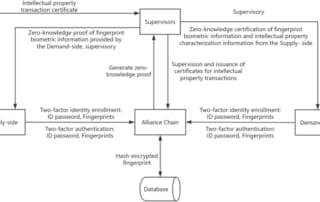
The research introduces a two-factor authentication model that leverages the power of alliance chain technology, aiming to enhance security and trustworthiness in IP transactions.