Artificial intelligence is no longer a side tool in real estate. It is weaving itself directly into property searches, listing creation, marketing strategies, and even back-end MLS infrastructure. As the industry leans deeper into AI-powered systems, the central question becomes who is responsible for protecting the accuracy, safety and legal compliance of real estate data?
MLSs across the country are stepping into that role. After years of commission lawsuits and rising regulatory pressure, industry leaders are choosing a license-not-lawsuit model to protect consumers as AI becomes more powerful and more widely used.
The Push for Guardrails and Clear Disclosures
California is leading the charge with new disclosure rules for AI-adjusted listing photos. If an agent digitally edits landscaping, brightens interiors or removes unwanted objects, the state now expects side-by-side comparisons of the original and enhanced images.
Brokerages like eXp are revising internal policies to emphasize ethical enhancement rather than misleading presentation. AI has not created new risks… it has simply amplified old ones at incredible speed.
Quick Insight
MLSs have always banned edits that alter a material fact. AI did not change that rule… it just made violating it easier than ever. This is why formal, modernized guardrails matter.
AI Does Not Create Risk, It Scales It
MLS leaders cite simple examples. A gas meter digitally removed. A staircase reduced from four steps to three. These types of edits existed long before AI, but modern tools allow anyone to perform them instantly.
That speed is why MLSs like Doorify are updating their licensing agreements to reflect the modern real estate landscape. The goal is not to slow innovation but to define what is prohibited so safe, creative AI use can flourish.
Modernizing MLS Policies for an AI Era
Legacy frameworks like IDX and VOW were designed during the early days of internet real estate. They never anticipated brokerages feeding MLS data into AI engines, CRMs or automated analytics tools.
This raises the new and unavoidable question: What counts as authorized MLS data use in 2026?
MLSs are now rewriting agreements with clearer definitions and stronger privacy safeguards while still allowing brokers to innovate responsibly.
Who Should Control and Enforce AI Data Rules?
While national trade groups provide guidance, many MLS executives argue that state real estate commissions are best suited to oversee AI use. They already manage tens of thousands of licensees and enforce consumer protections.
Modern MLS platforms now resemble secure data networks rather than simple listing databases. With showing schedules, client data and financial details flowing through AI-enabled systems, regulation must evolve to match the stakes.
The Privacy Flashpoint Ahead
Consumer advocates warn of a major risk: agents and clients accidentally feeding sensitive documents into public AI platforms. Contracts, reports and financial materials were never meant to be handled without strict data controls.
And if AI mishandles or misinterprets that information, the liability becomes complex. Who is responsible for the mistake?
MLS leaders hope to address these issues proactively, avoiding another wave of litigation while still encouraging innovation.
Considering a Career in Real Estate?
Understanding AI rules and data compliance is now a core skill for modern real estate professionals. Cameron Academy trains future agents and brokers across all 50 states with licensing programs that prepare you for both technology and regulation.
If you are pursuing your Florida real estate license or expanding into mortgage, insurance, medical or finance licensing, Cameron Academy keeps you ahead of industry evolution.
Explore the Original Reporting
For deeper insights and the complete source article, visit Real Estate News:
Getting licensed or staying ahead in your career can be a journey—but it doesn’t have to be overwhelming. Grab your favorite coffee or tea, take a moment to relax, and browse through our articles. Whether you’re just starting out or renewing your expertise, we’ve got tips, insights, and advice to keep you moving forward. Here’s to your success—one sip and one step at a time!
A growing share of American homeowners now carry mortgage rates above 5%—a dramatic shift that’s reshaping refinancing, inventory, and buyer behavior nationwide. With more than 30% of borrowers locked into rates over 5% and 20% above 6%, the market is split between owners holding on to low pandemic‑era loans and new buyers taking on higher‑rate mortgages. Federal efforts to push rates down could unlock millions of refinancing opportunities, while buyers see only modest monthly savings. For real estate professionals, understanding these rate dynamics is crucial as they increasingly drive inventory levels, affordability, and market activity.
New Moody’s data shows commercial real estate deal volume slipped 20% in December, marking a second monthly decline. Yet the full year tells a different story: 2025 ended with a 17% gain, signaling a quiet but resilient recovery. The biggest surprise came from the office sector, which posted a 21% jump in activity as return‑to‑office trends and AI‑driven job growth boosted demand. Multifamily, retail, and alternative assets like data centers also saw strong momentum, giving real estate professionals a market full of fresh opportunities heading into 2026.
Florida drivers and industry professionals are heading into 2026 with good news: auto insurance rates are dropping across the state as the market shows strong signs of stabilization. USAA leads the latest wave with a 7% average rate decrease expected in May 2026, saving members more than $125 million annually. They join several major insurers — including State Farm, Progressive, AAA, Allstate, and Florida Farm Bureau — all approving significant reductions. Officials credit recent legislative reforms, especially tort reform, for the improved loss ratios and renewed insurer confidence. With both auto and home insurance markets strengthening, Florida’s real estate, mortgage, and insurance professionals can expect more consumer confidence, smoother transactions, and expanding career opportunities.
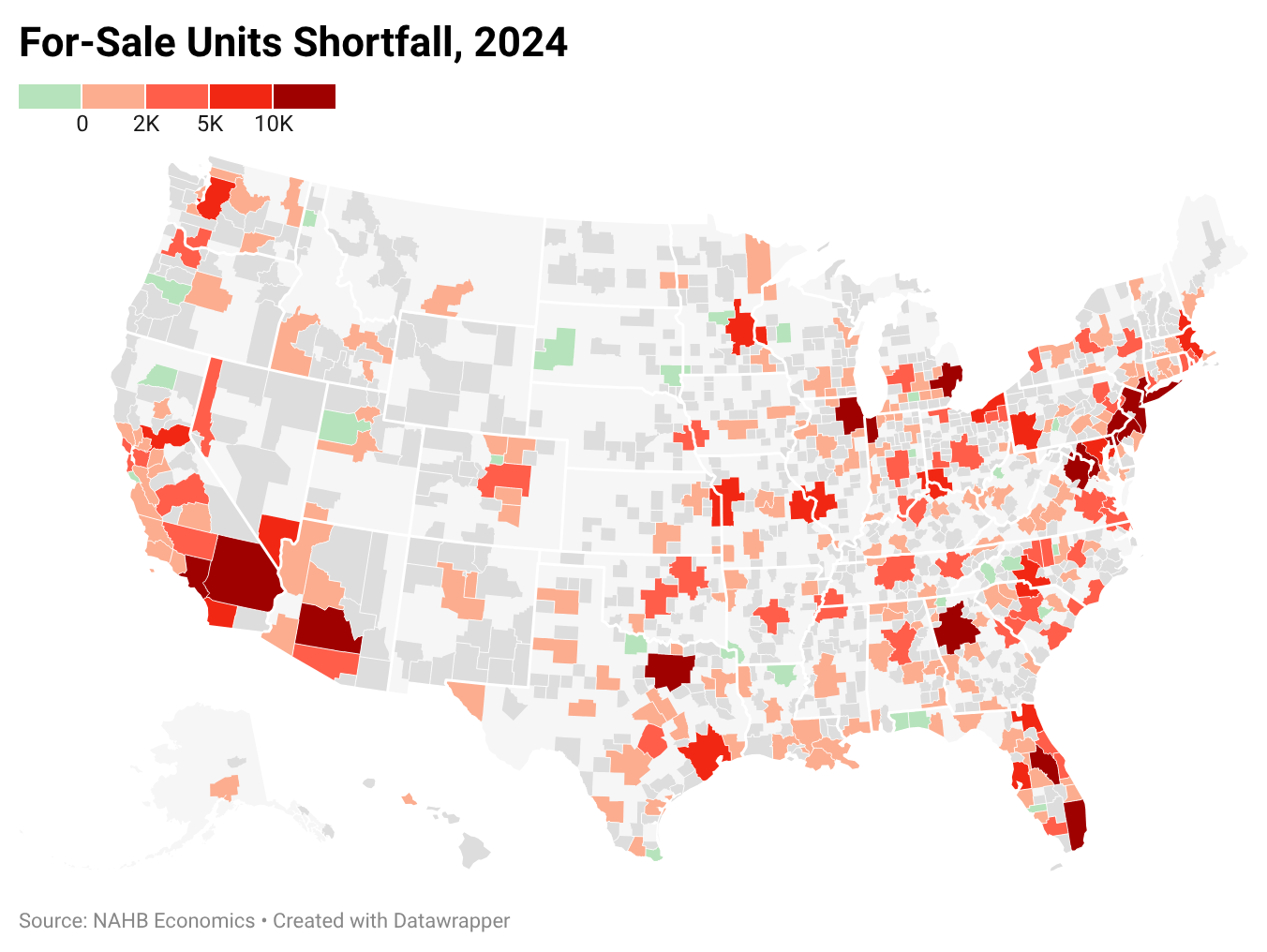
New data from Eye On Housing and the NAHB shows the U.S. remains short more than 1.2 million housing units, keeping pressure on both rents and home prices. Record‑low vacancy rates, slow single‑family construction, and restrictive zoning continue to fuel intense competition in 2024. Major metros like Chicago, New York, and Atlanta face some of the deepest deficits, and the true nationwide shortfall may be even higher when accounting for overcrowding and aging homes. For real estate professionals, the ongoing shortage means sustained demand, tighter inventory, and major opportunities for those who understand the evolving market.
Top real estate coach Jason Pantana says the divide between agents today isn’t about who has “tried” AI — it’s about who is immersed in it. In a new HousingWire interview, he explains why AI isn’t a gimmick but a full business system that amplifies output, improves authenticity, and reshapes how clients search for agents. From prompt mastery to AI‑driven visibility on Google, Pantana reveals how agents who commit even 15 minutes a day to learning AI are already outperforming those who hesitate.
Dallas–Fort Worth’s commercial real estate market closed 2025 with a split personality. Industrial dominated with massive new deliveries and soaring leasing demand, retail held steady with some of the market’s strongest fundamentals in years, and office continued to falter under remote‑work pressures. High vacancies, weak absorption, and rising demand for top‑tier space show the sector’s ongoing reset. Meanwhile, industrial and retail strength position the Metroplex for another powerhouse year heading into 2026.