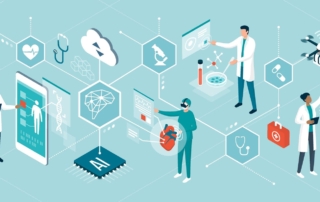
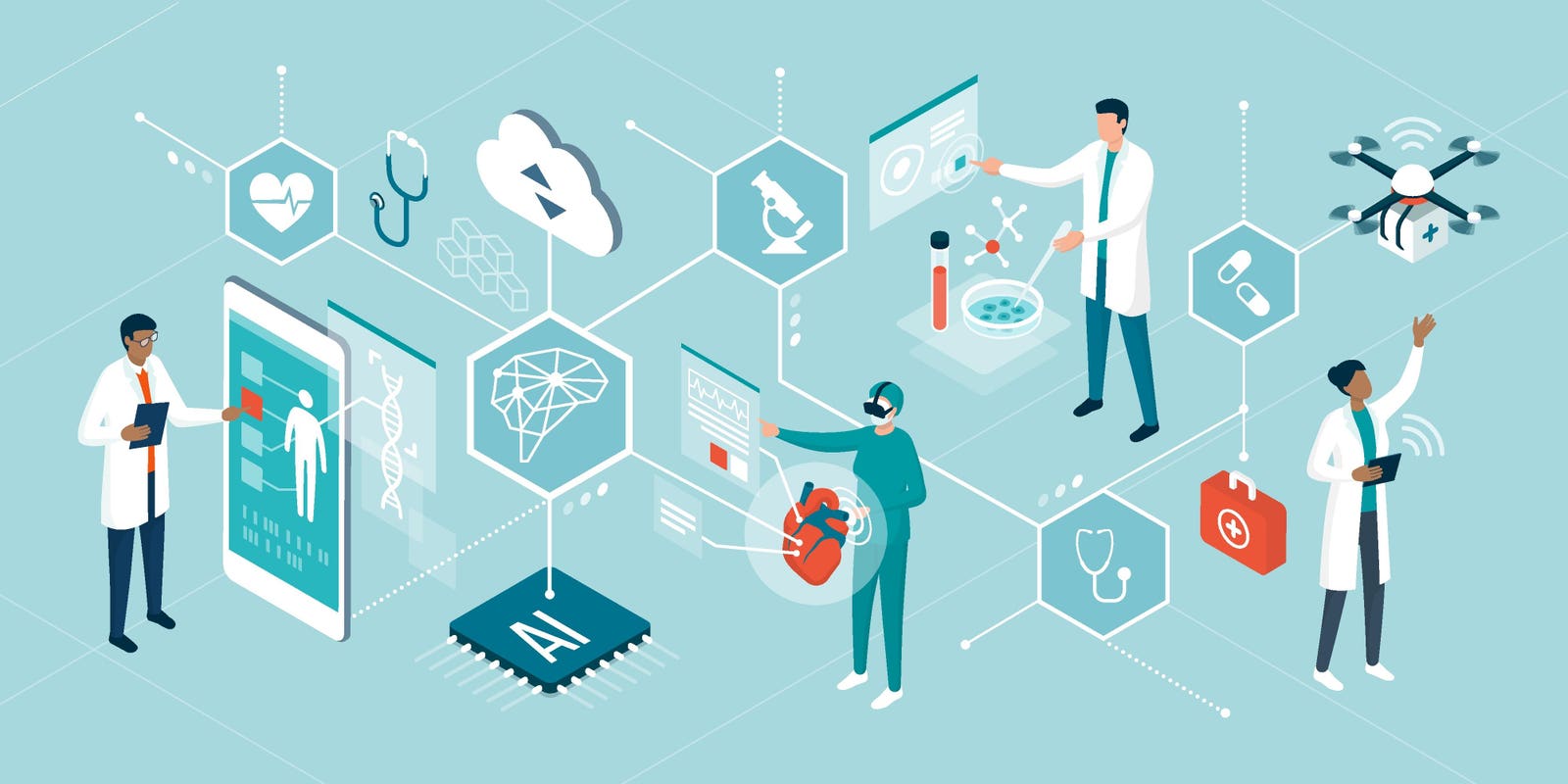
In a rapidly evolving landscape, the integration of Artificial Intelligence (AI) and robotics is reshaping the Indian healthcare sector, offering unprecedented precision, efficiency, and accessibility. As the nation stands at the cusp of a technological revolution, these advancements promise to redefine the quality of life and healthcare services for millions.


AI is poised to revolutionize the diagnostic process, enabling more accurate and faster diagnoses than ever before. Traditional methods, which rely heavily on manual interpretations of medical images, often suffer from delays and errors. In contrast, AI-driven diagnostic tools can swiftly analyze vast amounts of medical data, including X-rays, MRIs, and CT scans, with remarkable precision. This technology is already being leveraged for the early detection of diseases such as cancer and diabetic retinopathy, making diagnostics more efficient and accessible than ever.


Robotic-Assisted Surgery: A New Frontier


Robotic-assisted surgery is another area where technology is making significant strides in India. These robotic systems allow surgeons to perform intricate procedures with robotic arms that mimic human hand movements, enhancing dexterity and precision. This innovation is particularly impactful in minimally invasive surgeries, such as laparoscopic and cardiac procedures, offering benefits like smaller incisions, reduced blood loss, and faster recovery times for patients.


Adoption and Accessibility


Indian hospitals are increasingly adopting robotic surgery techniques for a wide range of procedures, from organ transplants to orthopedic surgeries. As the cost of these robotic systems gradually decreases, this high-tech medical facility becomes accessible to a broader population. The integration of AI-powered telemedicine platforms also holds promise for bridging the healthcare gap between urban and rural areas, offering remote consultations and digital diagnostics.


The government’s initiatives, such as the National Digital Health Mission, further highlight the importance of technology in healthcare. These efforts are crucial in fostering a more democratized and effective healthcare system across India.


A Vision for the Future


Equipping healthcare professionals with the skills to work alongside these technologies is essential for their successful integration into the medical ecosystem. AI and robotics are not just transforming Indian healthcare but are setting new standards for global innovation. From improving diagnostic accuracy to enabling precision surgeries and bridging rural-urban healthcare gaps, these technologies are redefining what is possible in medicine.


For more insights, visit the original article here.

More Articles

Getting licensed or staying ahead in your career can be a journey—but it doesn’t have to be overwhelming. Grab your favorite coffee or tea, take a moment to relax, and browse through our articles. Whether you’re just starting out or renewing your expertise, we’ve got tips, insights, and advice to keep you moving forward. Here’s to your success—one sip and one step at a time!

KBank’s Crypto Dilemma: Navigating Legislative Changes Amid IPO Plans

The financial landscape in South Korea is poised for a seismic shift as KBank, a major digital bank, grapples with a legislative curveball. The bank, which is heavily reliant on deposits from Upbit, Korea’s dominant cryptocurrency exchange, is facing a potential profit squeeze. The new Virtual Asset User Protection Act, set to take effect on July 19, 2024, mandates that banks must pay interest on crypto exchange deposits, a move that could severely impact KBank's bottom line.

By |December 29, 2024|Categories: Article, Cryptocurrency, Finance|Tags: |0 Comments

The Transformation of Healthcare: AI’s Role in Diagnostics and Personalized Medicine

AI's ability to analyze vast amounts of data is paving the way for a profound change in medical diagnostics. Khosla predicted that AI could take over up to 80% of standard medical tasks, reducing errors and biases in human diagnosis. This is particularly evident in fields like radiology and pathology, where AI's proficiency in analyzing medical imaging allows for the early detection of diseases such as cancer, significantly improving treatment outcomes.

The Geography of Pandemic-Era Home Price Trends and Implications for Affordability

The COVID-19 pandemic has dramatically reshaped the housing market landscape, resulting in an unprecedented surge in home prices throughout the United States.

By |December 28, 2024|Categories: Affordability Issues, Article, Housing Market|Tags: |0 Comments

AI in Healthcare: Transforming the Industry Today and Tomorrow

In a world where technology is rapidly evolving, artificial intelligence (AI) is proving to be a game-changer in the healthcare sector. AI-powered tools are improving patient outcomes, enhancing operational efficiency, and reducing costs, reshaping the very fabric of healthcare delivery.

By |December 28, 2024|Categories: Article, Artificial Intelligence, Healthcare|Tags: |0 Comments

Revolutionizing Surgical Training with VR and AI

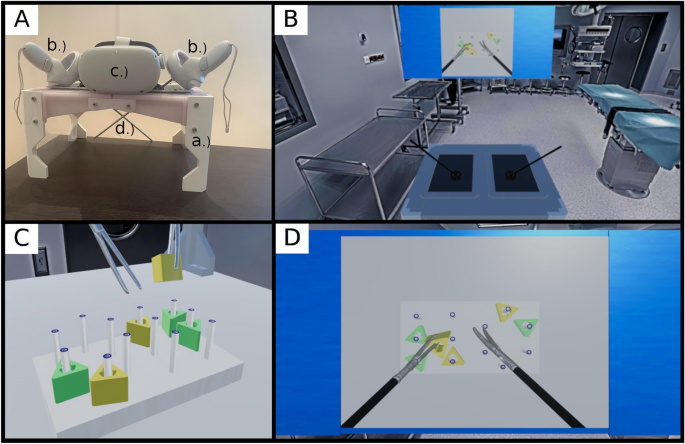
In a groundbreaking study published by Nature, researchers have unveiled a novel approach to surgical training using a low-fidelity virtual reality (VR) simulator enhanced with artificial intelligence (AI) for objective assessment. This pioneering method is poised to transform how medical students acquire laparoscopic skills, offering a cost-effective and efficient alternative to traditional training models.

AI and Machine Learning: Revolutionizing the Healthcare Industry

AI in healthcare is projected to grow into a $188 billion industry worldwide by 2030, promising to revolutionize the field. From drug development to improved diagnostics, AI is already making significant strides, transforming medical practices and enhancing patient care efficiency.

By |December 27, 2024|Categories: Article, Healthcare, Technology|Tags: , |0 Comments