In a rapidly evolving landscape, the integration of Artificial Intelligence (AI) and robotics is reshaping the Indian healthcare sector, offering unprecedented precision, efficiency, and accessibility. As the nation stands at the cusp of a technological revolution, these advancements promise to redefine the quality of life and healthcare services for millions.


AI is poised to revolutionize the diagnostic process, enabling more accurate and faster diagnoses than ever before. Traditional methods, which rely heavily on manual interpretations of medical images, often suffer from delays and errors. In contrast, AI-driven diagnostic tools can swiftly analyze vast amounts of medical data, including X-rays, MRIs, and CT scans, with remarkable precision. This technology is already being leveraged for the early detection of diseases such as cancer and diabetic retinopathy, making diagnostics more efficient and accessible than ever.


Robotic-Assisted Surgery: A New Frontier


Robotic-assisted surgery is another area where technology is making significant strides in India. These robotic systems allow surgeons to perform intricate procedures with robotic arms that mimic human hand movements, enhancing dexterity and precision. This innovation is particularly impactful in minimally invasive surgeries, such as laparoscopic and cardiac procedures, offering benefits like smaller incisions, reduced blood loss, and faster recovery times for patients.


Adoption and Accessibility


Indian hospitals are increasingly adopting robotic surgery techniques for a wide range of procedures, from organ transplants to orthopedic surgeries. As the cost of these robotic systems gradually decreases, this high-tech medical facility becomes accessible to a broader population. The integration of AI-powered telemedicine platforms also holds promise for bridging the healthcare gap between urban and rural areas, offering remote consultations and digital diagnostics.


The government’s initiatives, such as the National Digital Health Mission, further highlight the importance of technology in healthcare. These efforts are crucial in fostering a more democratized and effective healthcare system across India.


A Vision for the Future


Equipping healthcare professionals with the skills to work alongside these technologies is essential for their successful integration into the medical ecosystem. AI and robotics are not just transforming Indian healthcare but are setting new standards for global innovation. From improving diagnostic accuracy to enabling precision surgeries and bridging rural-urban healthcare gaps, these technologies are redefining what is possible in medicine.


For more insights, visit the original article here.

More Articles

Getting licensed or staying ahead in your career can be a journey—but it doesn’t have to be overwhelming. Grab your favorite coffee or tea, take a moment to relax, and browse through our articles. Whether you’re just starting out or renewing your expertise, we’ve got tips, insights, and advice to keep you moving forward. Here’s to your success—one sip and one step at a time!

Precision Medicine Market: A Tailored Approach Revolutionizing Healthcare

With increasing governmental and private investments, the demand for precision medicine is expected to rise steadily. The commitment to addressing chronic conditions, coupled with strategic industry collaborations and advanced diagnostic tools, will sustain market growth.

U.S. Wearable Medical Devices Market: Growth Trends and Future Prospects

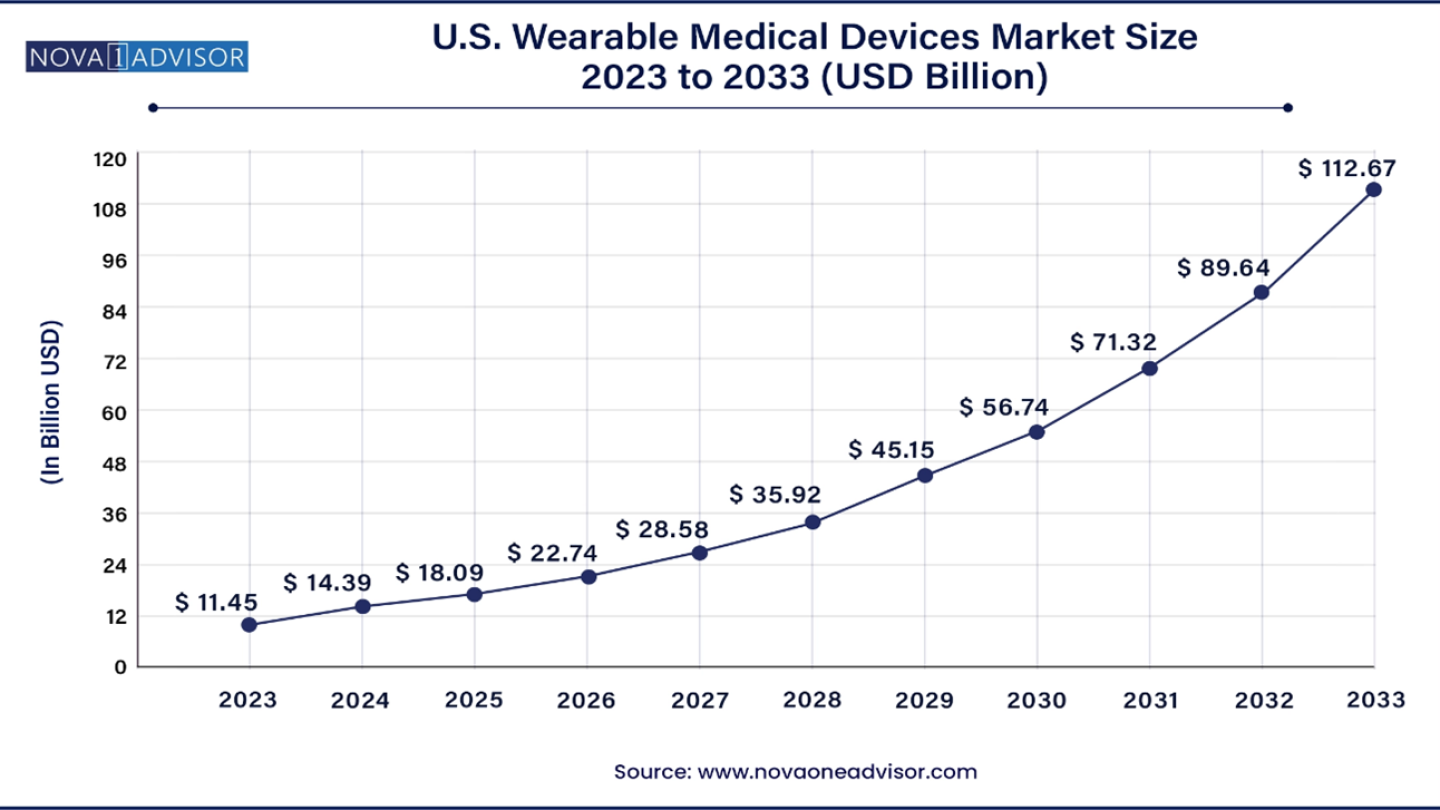
The U.S. wearable medical devices market, currently valued at an estimated $11.45 billion in 2023, is set to experience an astronomical rise to approximately $112.67 billion by 2033.

By |December 3, 2024|Categories: Article, Healthcare, Technology|Tags: |0 Comments

The Future of Real Estate Market: What Lies Ahead?

The real estate market is on the brink of transformation, captivating the attention of buyers, sellers, investors, and industry professionals. As we look toward the end of 2024, experts predict a shift in the landscape, particularly with home prices expected to decline due to increased inventory levels.

By |December 3, 2024|Categories: Article, Market Trends, Real Estate|Tags: , |0 Comments

Bridging the Healthcare Gap in Rural Areas with Telehealth

According to the World Health Organization (WHO), nearly two billion people in rural and remote areas worldwide lack access to essential healthcare solutions. This staggering statistic highlights a critical issue: the digital divide that limits telehealth services, primarily due to inadequate broadband access.

By |December 2, 2024|Categories: Article, Healthcare, Technology|Tags: , |0 Comments

Navigating Ethical Challenges: AI in Healthcare

As AI becomes a staple in medical practice, it carries the risk of reinforcing existing biases entrenched in historical data. These biases can lead to skewed outcomes, particularly affecting marginalized communities such as the LGBTQIA+ and certain ethnic groups.

By |December 2, 2024|Categories: Article, Ethics, Healthcare|Tags: , |0 Comments

New SCLC Biomarkers Enable Advances in Precision Medicine Approaches

A groundbreaking study published in Volume 15 of Oncotarget on October 11, 2024, titled 'Relationship between the expressions of DLL3, ASC1, TTF-1 and Ki-67: First steps of precision medicine at SCLC' showcases pivotal advancements in the fight against small cell lung cancer (SCLC).

By |December 2, 2024|Categories: Article, Cancer Treatment, Medical Research|Tags: , |0 Comments