In a rapidly evolving landscape, the integration of Artificial Intelligence (AI) and robotics is reshaping the Indian healthcare sector, offering unprecedented precision, efficiency, and accessibility. As the nation stands at the cusp of a technological revolution, these advancements promise to redefine the quality of life and healthcare services for millions.


AI is poised to revolutionize the diagnostic process, enabling more accurate and faster diagnoses than ever before. Traditional methods, which rely heavily on manual interpretations of medical images, often suffer from delays and errors. In contrast, AI-driven diagnostic tools can swiftly analyze vast amounts of medical data, including X-rays, MRIs, and CT scans, with remarkable precision. This technology is already being leveraged for the early detection of diseases such as cancer and diabetic retinopathy, making diagnostics more efficient and accessible than ever.


Robotic-Assisted Surgery: A New Frontier


Robotic-assisted surgery is another area where technology is making significant strides in India. These robotic systems allow surgeons to perform intricate procedures with robotic arms that mimic human hand movements, enhancing dexterity and precision. This innovation is particularly impactful in minimally invasive surgeries, such as laparoscopic and cardiac procedures, offering benefits like smaller incisions, reduced blood loss, and faster recovery times for patients.


Adoption and Accessibility


Indian hospitals are increasingly adopting robotic surgery techniques for a wide range of procedures, from organ transplants to orthopedic surgeries. As the cost of these robotic systems gradually decreases, this high-tech medical facility becomes accessible to a broader population. The integration of AI-powered telemedicine platforms also holds promise for bridging the healthcare gap between urban and rural areas, offering remote consultations and digital diagnostics.


The government’s initiatives, such as the National Digital Health Mission, further highlight the importance of technology in healthcare. These efforts are crucial in fostering a more democratized and effective healthcare system across India.


A Vision for the Future


Equipping healthcare professionals with the skills to work alongside these technologies is essential for their successful integration into the medical ecosystem. AI and robotics are not just transforming Indian healthcare but are setting new standards for global innovation. From improving diagnostic accuracy to enabling precision surgeries and bridging rural-urban healthcare gaps, these technologies are redefining what is possible in medicine.


For more insights, visit the original article here.

More Articles

Getting licensed or staying ahead in your career can be a journey—but it doesn’t have to be overwhelming. Grab your favorite coffee or tea, take a moment to relax, and browse through our articles. Whether you’re just starting out or renewing your expertise, we’ve got tips, insights, and advice to keep you moving forward. Here’s to your success—one sip and one step at a time!

Global Capital Is Reshaping Real Estate for 2026

Investors worldwide are redeploying capital, embracing more active deal structures, and expanding into new regions as the 2026 market takes shape. Data centers, revived office demand, and global diversification are driving a major shift—creating fresh opportunities for real estate, mortgage, and finance professionals who understand where capital is heading next.

Florida’s Home Insurance Crisis Hits Breaking Point as Premiums Soar and Claims Go Unpaid

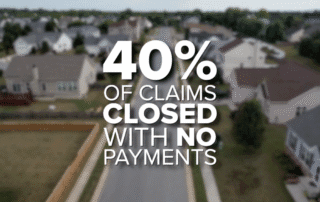
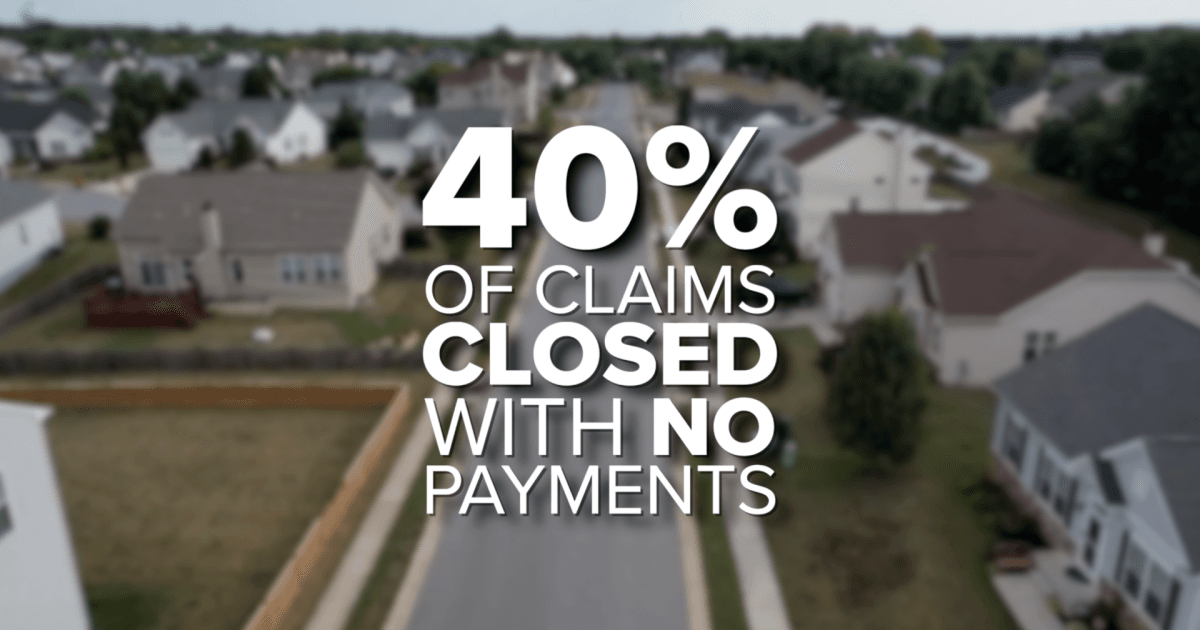
Florida homeowners now pay an average of $5,838 per year for insurance—about $3,000 more than the national average—pushing many families to the financial brink. Residents report premiums tripling, claims being severely underpaid, and insurers dropping policies at one of the highest rates in the country. As frustration mounts, lawmakers and industry experts are calling for sweeping reforms to curb rising costs, increase accountability, and stabilize a market that’s reshaping real estate decisions across the state.

Citizens Insurance Steps Back as Florida’s Private Market Surges

Florida’s insurance market has hit a major turning point. Citizens Property Insurance—once the state’s largest insurer with 1.4 million policies—has shed more than 900,000 policies as private insurers return in force. Driven by Florida’s depopulation program and the arrival of 17 new companies, nearly 200,000 policies shifted to private carriers in October alone, with about 40 percent offering lower premiums. The shift signals rising competition, stabilizing rates, and new opportunities for homeowners and industry professionals navigating Florida’s evolving insurance landscape.

NAR Unveils Biggest MLS Policy Overhaul in 20 Years, Effective 2026

The National Association of REALTORS® has approved 18 major updates to modernize its MLS policies—the largest overhaul in two decades. Announced at NAR NXT in Houston and set to take effect in January 2026, the changes aim to streamline MLS operations, improve enforcement clarity, and better align policies with how today’s real estate professionals actually work.

Inhabit Unveils New AI and Fraud Prevention Tools Transforming Property Management

Inhabit has rolled out a powerful lineup of AI-driven leasing, marketing, fraud prevention, and compliance tools designed to streamline operations and protect property teams from growing risks. From hybrid AI leasing assistants to instant income verification and upcoming portfolio-wide lease audits, these innovations aim to cut costs, eliminate inefficiencies, and strengthen regulatory confidence across the multifamily industry.

Florida’s Insurance System Is Shifting Again—But Are Homeowners Still in the Danger Zone?

Florida’s latest round of insurance reforms was meant to calm a volatile market, yet many experts warn the same deep structural problems remain. Homeowners are being pushed from Citizens into higher‑priced, lightly capitalized private insurers, ratings agencies face scrutiny for inflated grades, and political influence clouds oversight. For real estate and insurance professionals, these trends signal ongoing risk, rising costs, and a market in need of a complete rebuild.