AI Assistance in Radiology: A Nuanced Tool for Diagnostic Precision
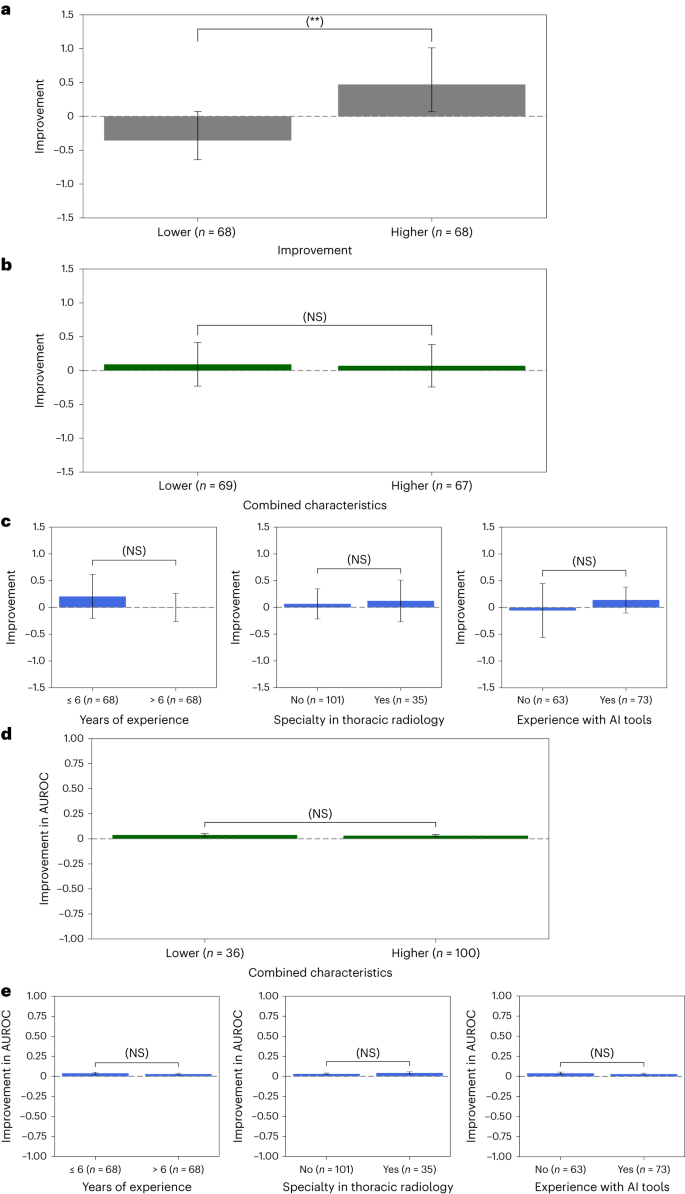
In a groundbreaking study published by Nature on March 19, 2024, researchers have unveiled the complex dynamics of artificial intelligence (AI) assistance in radiology, emphasizing the need for personalized strategies to harness its full potential. The study, titled “Heterogeneity and Predictors of the Effects of AI Assistance on Radiologists,” delves into how AI impacts diagnostic accuracy across a diverse group of clinicians.
The research, conducted on 140 radiologists performing 15 diagnostic tasks, highlights significant variability in AI’s effectiveness. This variation underscores the necessity for tailored approaches in clinical settings to optimize AI’s benefits. The study’s findings are pivotal, as they suggest that a one-size-fits-all approach to AI assistance in healthcare may not be effective.
One of the critical insights from the study is the heterogeneous nature of AI’s impact, which varies significantly based on individual clinician characteristics and the quality of AI predictions. This variability suggests that while some radiologists may experience enhanced diagnostic accuracy with AI assistance, others might not benefit as much, or could even be hindered by it.
The study is part of a growing body of research exploring AI’s role in healthcare. For instance, earlier works like CheXNet and Deep Learning for Chest Radiograph Diagnosis have paved the way for understanding AI’s capabilities in medical imaging. This latest research builds on these foundations, offering a more nuanced view of AI’s role in clinical practice.
Key Takeaways:
AI assistance in radiology shows significant variability in effectiveness across different radiologists.
Individualized strategies are crucial for optimizing AI’s benefits in clinical settings.
Quality of AI predictions plays a significant role in determining its impact on diagnostic accuracy.
The study’s findings are a call to action for healthcare providers and AI developers to collaborate closely. By understanding the factors that influence AI’s effectiveness, they can develop more refined tools that cater to the unique needs of each clinician. This approach not only enhances diagnostic precision but also fosters greater trust and acceptance of AI in healthcare.
For more detailed insights, you can access the full study on Nature’s website.
More Articles
Getting licensed or staying ahead in your career can be a journey—but it doesn’t have to be overwhelming. Grab your favorite coffee or tea, take a moment to relax, and browse through our articles. Whether you’re just starting out or renewing your expertise, we’ve got tips, insights, and advice to keep you moving forward. Here’s to your success—one sip and one step at a time!
In the rapidly evolving landscape of telehealth, recent legislative updates have set the stage for significant changes, particularly impacting healthcare providers, Medicaid, and digital health companies.
In the ever-evolving world of commercial real estate, the year 2024 is marked by a significant shift in investment trends, driven by the insights of renowned investor Charlie Munger.
Despite the increasing frequency and intensity of hurricanes, wealthy homeowners in Florida seem unfazed. In fact, the impact of these natural disasters on the housing market is reshaping the demographic landscape, but not in the way one might expect.
On July 19, 2024, CrowdStrike became a household topic due to a flawed software update affecting millions of computers, significantly impacting the aviation sector with thousands of flight cancellations and substantial financial losses.
"The 10 largest U.S. cities have lost around 2 million residents in the past three years, shrinking their tax base and perpetuating what is termed an 'urban doom loop.'"
In a transformative move towards enhancing housing affordability and tenant security, California is poised to introduce significant legislative changes in 2024. These changes, encapsulated in Senate Bill 567 and Assembly Bill 12, promise to reshape the landscape for landlords and tenants alike.