In the rapidly evolving world of real estate, AI assistants are making waves, promising to enhance the efficiency of agents without replacing the invaluable human touch. As reported by Real Estate News, these digital aides are here to stay, but fears of job displacement may be unfounded.


AI tools like HouseWhisper and Real Brokerage’s Leo are designed to streamline workflows, taking on up to 80% of an agent’s administrative tasks, according to a T3 Sixty report. However, these tools are not meant to replace agents but to work alongside them.


Luis Poggi, CEO of HouseWhisper, emphasizes that AI acts as a “teammate” for real estate professionals, enhancing their ability to build relationships without doing the outreach for them. “Agents who embrace AI will have a distinct advantage,” Poggi asserts, cautioning that those who don’t may find themselves left behind.


The learning curve associated with AI is acknowledged by Pritesh Damani, CTO of Real Brokerage. He notes that while AI can assist with complex prompts, understanding how to effectively utilize these tools is an “acquired skill.” Real’s Leo CoPilot, for instance, aids agents by prompting them and offering reminders, ensuring they maximize the benefits of AI integration.


As the realm of AI in real estate expands, more companies are jumping on board. Lofty has introduced AI Copilot, integrated into its CRM, to help agents manage leads more efficiently. Meanwhile, Canopy MLS has launched “Ardi,” an assistant that aids subscribers in navigating the platform and understanding MLS rules.


Despite the enthusiasm, some brokerage leaders remain wary of AI’s future role in the industry. However, as surveys suggest, the integration of AI is inevitable, and its role in real estate is set to grow.

More Articles

Getting licensed or staying ahead in your career can be a journey—but it doesn’t have to be overwhelming. Grab your favorite coffee or tea, take a moment to relax, and browse through our articles. Whether you’re just starting out or renewing your expertise, we’ve got tips, insights, and advice to keep you moving forward. Here’s to your success—one sip and one step at a time!

Artificial Intelligence in Diagnostics: A Revolution in Healthcare

The global market for artificial intelligence in diagnostics is poised for remarkable growth, with projections estimating it to reach USD 7.3 billion by 2032.

By |December 10, 2024|Categories: Article, Artificial Intelligence, Healthcare|Tags: , |0 Comments

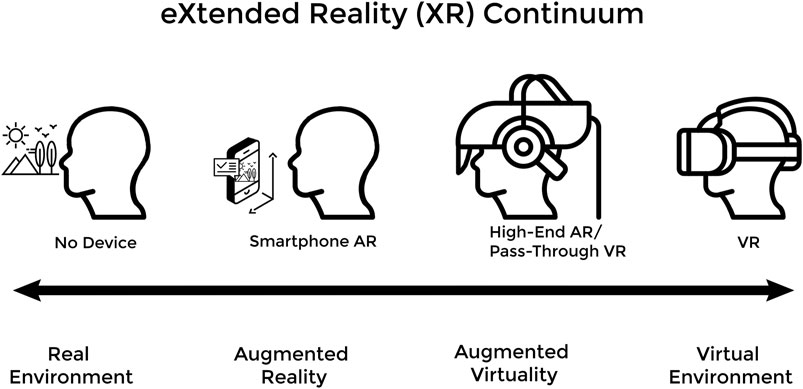
Revolutionizing Medical Education with Extended Reality

In the ever-evolving landscape of medical education, a new player has emerged, promising to revolutionize the way future doctors are trained. The integration of eXtended Reality (XR) technologies is reshaping the educational landscape by addressing the limitations of traditional methods.

Genetic Testing: A New Dawn in Healthcare

Genetic testing represents more than just a scientific advancement; it signifies a fundamental shift in how we approach health and wellness.

Sustainable Architecture: Blending Innovation with Ecological Responsibility

The journey toward sustainable architecture is ongoing, with each project serving as a beacon of what's achievable when creativity meets ecological awareness.

By |December 9, 2024|Categories: Architecture, Article, Sustainability|Tags: |0 Comments

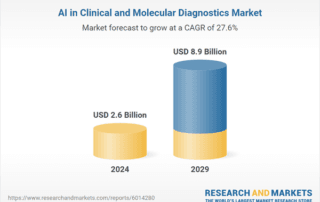
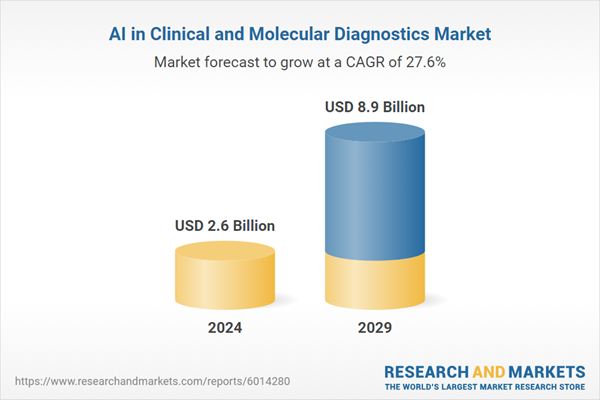
AI in Clinical and Molecular Diagnostics: A Market on the Rise

AI in Clinical and Molecular Diagnostics Market is set to experience remarkable growth, projected to surge from USD 2.6 billion in 2024 to USD 8.9 billion by 2029. This growth is driven by the integration of advanced AI technologies such as machine learning and deep learning into traditional diagnostic methodologies like imaging, genomics, and laboratory testing.

AI: A Revolution in Healthcare’s Future

AI is not a distant dream but a present reality, already integrated into everyday life through virtual assistants like Alexa and Siri. AI shows promise in enhancing medical accuracy, such as in predicting mesothelioma survival and improving colonoscopy accuracy, it is not intended to replace healthcare professionals.