AI Becomes Standard Gear for Real Estate Agents in 2026

Ai in real estate

Artificial intelligence is no longer an accessory — it’s the backbone of the modern real estate workflow. Agents across the country are integrating AI into daily operations at unprecedented rates. What began as a flashy experiment has evolved into a core business asset, reshaping how real estate professionals communicate, market, and manage their pipelines.

This transformation is highlighted in the latest industry research from the Delta Media Group Real Estate AI & Leadership Survey, which revealed a stunning 97% AI adoption rate among agents — up from 80% just two years ago.

Source Spotlight: Insightful coverage from RealEstateNews.com, a trusted voice driving the industry’s most important conversations.

The Fast Rise of AI Across Real Estate

Since the debut of ChatGPT in 2022, AI has swept across the real estate landscape with remarkable speed. Agents embraced AI early for content creation — listing descriptions, social media posts, and email marketing. According to Delta Media’s 2024 report, nearly 80% of agents adopted AI tools within the first year of mainstream availability.

Delta CEO Michael Minard emphasized that rapid adoption creates both opportunity and risk, noting that many professionals lack structured training and ethical guidelines for AI use.

As of 2026, the experimental phase is over — AI is fully embedded in the industry’s DNA.

How AI Is Being Used by Today’s Agents

Data from the latest survey reveals where AI is delivering the most impact:

  • 82% of agents use AI to craft listing descriptions.
  • 74% use AI to build marketing content — emails, blogs, and social posts.
  • Only 15% of leaders believe listing descriptions are the most valuable use case.
  • 26% ranked marketing content as the highest-value application.

The message is clear: AI frees agents from constant content creation so they can focus on human-driven value — negotiating deals, nurturing relationships, and closing transactions.

Adoption Is Up — But So Are Concerns

Despite high adoption rates, industry worry is rising again. The share of brokerage leaders who are “highly concerned” about AI usage increased to 49% this year.

Concerns center around:

  • Data privacy and security.
  • Compliance amid rapidly shifting regulations.
  • Lack of structured AI training for smaller firms.
  • Risk of errors or bias in AI-generated materials.

Smaller brokerages feel these challenges most acutely, often without the resources to implement proper oversight.

As Minard notes, “AI is now embedded in nearly every area of the brokerage business. That brings new opportunities — but also significant new responsibilities.”

Why This Matters for Real Estate Professionals

Whether you’re launching your career or leveling up your expertise, AI literacy is quickly becoming a foundational skill. Those who master it gain speed, visibility, and competitive advantage.

For those preparing for professional licensing or expanding their education, this shift reinforces the need for modern, future-ready training. At Cameron Academy, we integrate technology-forward strategies into our learning pathways so every student enters the field prepared — and confident.

The Future: Smart, Responsible Integration

As debates around AI standards and policies continue, one reality stands firm: real estate will never return to a pre-AI environment. Marketing, client communication, and transaction management all continue to evolve under the influence of intelligent tools.

Moving forward, successful brokerages will emphasize transparency, ethics, and comprehensive training. And agents who blend thoughtful AI adoption with authentic human expertise will stand out as the elite performers of tomorrow’s marketplace.


More Articles

Getting licensed or staying ahead in your career can be a journey—but it doesn’t have to be overwhelming. Grab your favorite coffee or tea, take a moment to relax, and browse through our articles. Whether you’re just starting out or renewing your expertise, we’ve got tips, insights, and advice to keep you moving forward. Here’s to your success—one sip and one step at a time!

Florida Homeowners Finally Get Relief as Gov. DeSantis Announces Significant Insurance Premium Cuts

Florida homeowners — especially in hard‑hit South Florida — are set to see rare and substantial reductions in their property insurance premiums. Gov. Ron DeSantis announced an average statewide Citizens Insurance decrease of 8.7%, with even larger savings of up to 14% in counties like Miami-Dade, Broward, and Palm Beach. State officials credit recent legal and regulatory reforms for stabilizing the market, attracting new insurers, and delivering the first meaningful rate relief Floridians have seen in years.

Tampa’s Real Estate Market Enters a Smarter, More Selective Growth Phase

Tampa’s commercial real estate market isn’t slowing—it’s maturing. With strong population growth, rising office demand, a normalized industrial sector, resurgent retail, and an emerging health‑care real estate boom, investors are shifting from speed to strategy. Tighter underwriting, cautious capital and increased due‑diligence are shaping a more disciplined market, creating new opportunities for informed professionals.

Florida Slashes Home Insurance Rates: Biggest Drop in a Decade Sends Shockwaves Through the Market

Florida homeowners are finally seeing relief as Citizens Property Insurance announces a major 8.7% average rate decrease—far larger than originally proposed. Driven by legislative reforms, fewer lawsuits, and a calm hurricane season, the state’s once‑unstable insurance market is showing real signs of recovery. But with reduced coverage limits and shifting legal protections, experts warn that lower premiums may come with hidden trade‑offs.

Florida Homeowners Finally Get Insurance Relief After Years of Soaring Premiums

After a decade of rising premiums and retreating carriers, Florida homeowners are finally seeing long‑awaited relief. Dozens of insurers have filed for rate decreases—some as high as 11%—thanks to legislative reforms and a stabilizing market. Early approvals are already hitting counties across the state, and experts say the momentum could boost buyer confidence, affordability, and competition throughout Florida’s real estate and insurance sectors.

Self‑Storage Investing in 2026: A Market Thaw Opens the Door to Big Opportunities

After years of slowed activity caused by rising interest rates, the self‑storage industry is heating up again. New data from Marcus & Millichap shows a fresh market cycle emerging, driven by renewed buyer confidence, recalibrated pricing, and stronger lender participation. Acquisitions are rebounding, development is resetting in a healthier direction, and financing conditions are improving—creating one of the most promising investment landscapes the sector has seen in years.

Brookline’s Real Flood Risk: What FEMA’s New Maps Reveal—and What They Miss

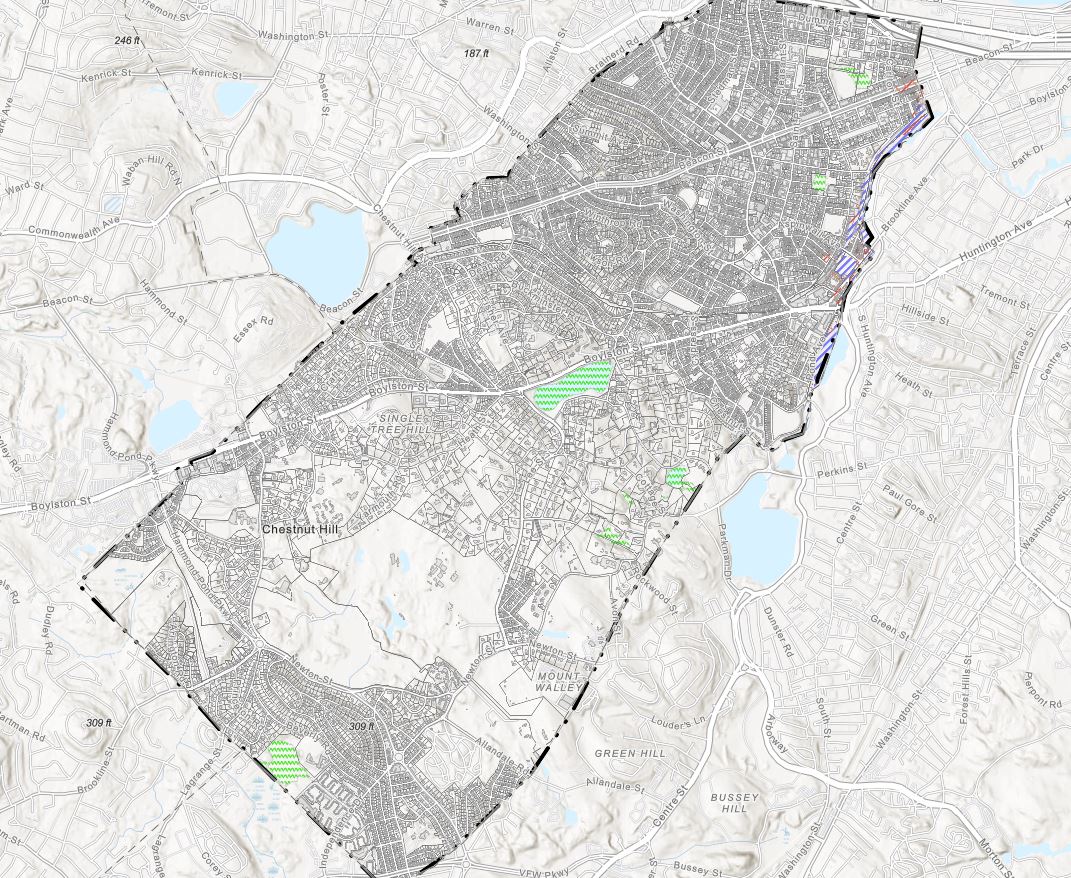
Brookline’s newly updated FEMA flood maps identify 97 high‑risk parcels, but local experts warn the true threat is far greater. While FEMA highlights river‑based flooding around Leverett Pond and the Muddy River, alternative models show more than 1,300 Brookline properties at risk within 30 years. Hidden vulnerabilities along major corridors like Beacon Street, rising rainfall intensity, aging infrastructure, and climate‑driven storm patterns suggest that many “low‑risk” areas may be anything but safe.