AI Becomes Standard Gear for Real Estate Agents in 2026

Ai in real estate

Artificial intelligence is no longer an accessory — it’s the backbone of the modern real estate workflow. Agents across the country are integrating AI into daily operations at unprecedented rates. What began as a flashy experiment has evolved into a core business asset, reshaping how real estate professionals communicate, market, and manage their pipelines.

This transformation is highlighted in the latest industry research from the Delta Media Group Real Estate AI & Leadership Survey, which revealed a stunning 97% AI adoption rate among agents — up from 80% just two years ago.

Source Spotlight: Insightful coverage from RealEstateNews.com, a trusted voice driving the industry’s most important conversations.

The Fast Rise of AI Across Real Estate

Since the debut of ChatGPT in 2022, AI has swept across the real estate landscape with remarkable speed. Agents embraced AI early for content creation — listing descriptions, social media posts, and email marketing. According to Delta Media’s 2024 report, nearly 80% of agents adopted AI tools within the first year of mainstream availability.

Delta CEO Michael Minard emphasized that rapid adoption creates both opportunity and risk, noting that many professionals lack structured training and ethical guidelines for AI use.

As of 2026, the experimental phase is over — AI is fully embedded in the industry’s DNA.

How AI Is Being Used by Today’s Agents

Data from the latest survey reveals where AI is delivering the most impact:

  • 82% of agents use AI to craft listing descriptions.
  • 74% use AI to build marketing content — emails, blogs, and social posts.
  • Only 15% of leaders believe listing descriptions are the most valuable use case.
  • 26% ranked marketing content as the highest-value application.

The message is clear: AI frees agents from constant content creation so they can focus on human-driven value — negotiating deals, nurturing relationships, and closing transactions.

Adoption Is Up — But So Are Concerns

Despite high adoption rates, industry worry is rising again. The share of brokerage leaders who are “highly concerned” about AI usage increased to 49% this year.

Concerns center around:

  • Data privacy and security.
  • Compliance amid rapidly shifting regulations.
  • Lack of structured AI training for smaller firms.
  • Risk of errors or bias in AI-generated materials.

Smaller brokerages feel these challenges most acutely, often without the resources to implement proper oversight.

As Minard notes, “AI is now embedded in nearly every area of the brokerage business. That brings new opportunities — but also significant new responsibilities.”

Why This Matters for Real Estate Professionals

Whether you’re launching your career or leveling up your expertise, AI literacy is quickly becoming a foundational skill. Those who master it gain speed, visibility, and competitive advantage.

For those preparing for professional licensing or expanding their education, this shift reinforces the need for modern, future-ready training. At Cameron Academy, we integrate technology-forward strategies into our learning pathways so every student enters the field prepared — and confident.

The Future: Smart, Responsible Integration

As debates around AI standards and policies continue, one reality stands firm: real estate will never return to a pre-AI environment. Marketing, client communication, and transaction management all continue to evolve under the influence of intelligent tools.

Moving forward, successful brokerages will emphasize transparency, ethics, and comprehensive training. And agents who blend thoughtful AI adoption with authentic human expertise will stand out as the elite performers of tomorrow’s marketplace.


More Articles

Getting licensed or staying ahead in your career can be a journey—but it doesn’t have to be overwhelming. Grab your favorite coffee or tea, take a moment to relax, and browse through our articles. Whether you’re just starting out or renewing your expertise, we’ve got tips, insights, and advice to keep you moving forward. Here’s to your success—one sip and one step at a time!

Tampa Emerges as the Nation’s Foreclosure Hotspot as Florida Leads in Housing Distress

Florida now holds the highest foreclosure rate in the country, and Tampa sits at the center of the surge. With one in every 1,373 homes facing foreclosure, skyrocketing insurance premiums, rising housing costs and reduced equity are pushing many homeowners—especially those who purchased between 2020 and 2023—into financial distress. While some experts view the spike as a market “normalization,” professionals in real estate and finance are watching closely as Tampa’s backlog clears and pressure continues to build across the state.

Northwest Austin Begins Major Redevelopment as Former 3M Campuses Transform Into Mixed‑Use Hubs

Two former 3M campuses in Northwest Austin are set for a dramatic rebirth as Karlin Real Estate pushes forward with plans for Highpoint 2222 and the Duval site. The vision includes office and lab space, up to 65,000 square feet of retail, more than 1,200 multifamily homes, and new green space. With over 500 residents weighing in through the 2222 Coalition of Neighborhood Associations, traffic, density, and environmental protections are shaping the final blueprint. As office demand cools, mixed‑use development is becoming the new normal—positioning this corridor for one of the biggest transformations Austin has seen in years.

Is There Really a Housing Crisis? A Fresh, Ground‑Level Look at Today’s Market

Despite constant headlines about a “housing crisis,” many economists and industry professionals argue the reality is more nuanced. In many regions, the issue isn’t a lack of homes but a mismatch between what’s available and what buyers want or can afford. As demographic shifts and remote work reshape demand, the market is evolving—not collapsing—creating opportunities for real estate, mortgage, insurance, and finance professionals who understand the difference between perception and reality.

Florida’s Insurance Crisis Is Reshaping Communities and Squeezing the Middle Class

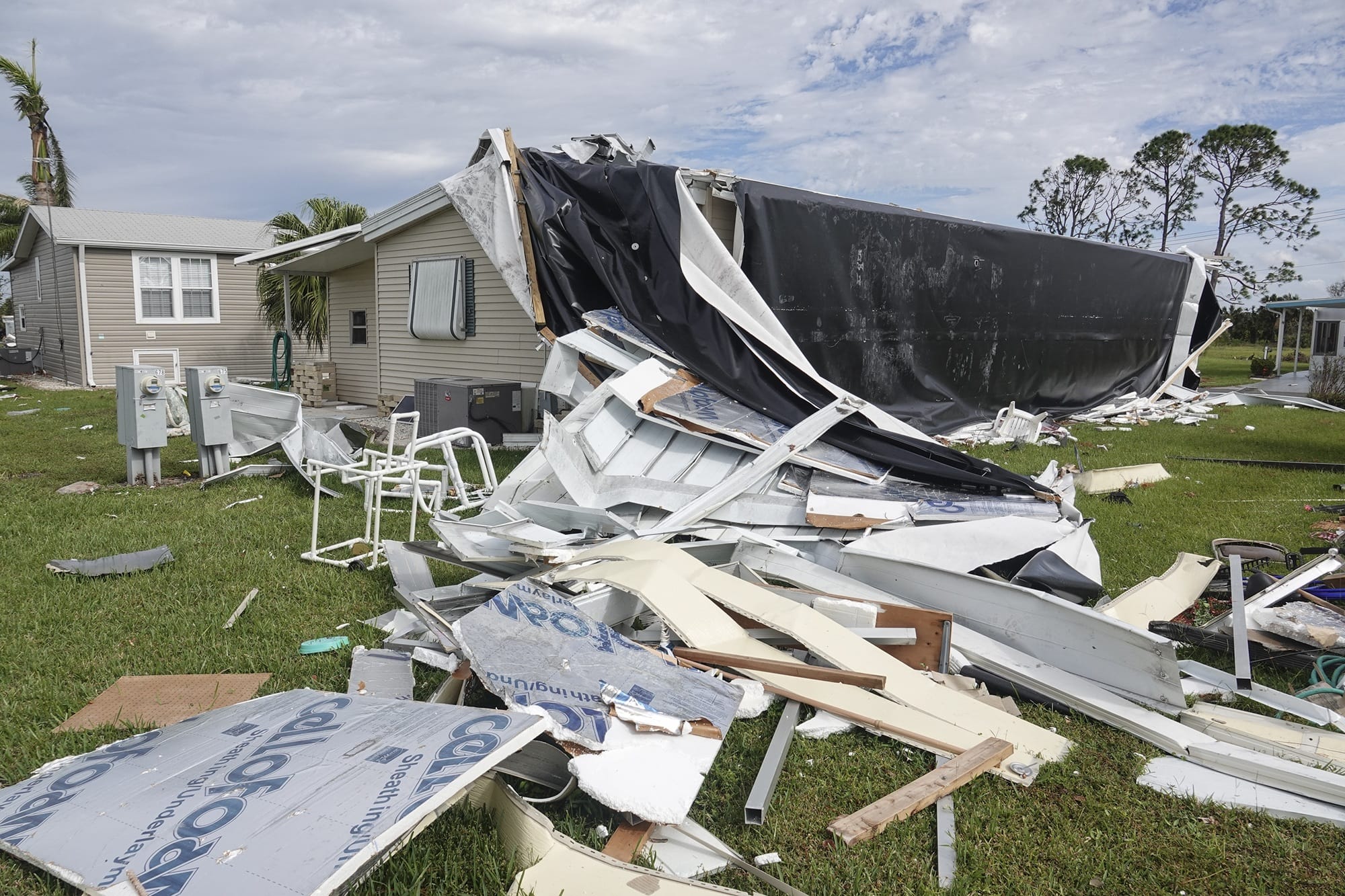
Hurricane Ian’s aftermath has exposed a growing affordability crisis across Southwest Florida. Skyrocketing insurance premiums, soaring construction costs, and rapid gentrification are making it harder for long‑time residents and middle‑class families to stay in their communities. From Fort Myers Beach to inland neighborhoods, homeowners, renters, and small businesses are feeling the pressure as rising costs reshape the region’s housing market and push many to reconsider their future in the state.

Florida’s Home Insurance Shake‑Up Exposes Old Problems Behind New Reforms

Florida’s home insurance market is facing its biggest credibility crisis in years. Despite major reforms meant to stabilize the system, homeowners are being pushed from Citizens into higher‑priced private insurers, many tied to companies that previously collapsed. Questionable financial ratings, high claim‑denial rates, and luxury‑level executive payouts are raising red flags across the state. For real estate and insurance professionals, this unstable landscape is reshaping home affordability, buyer confidence, and long‑term risk in Florida’s property market.

Michigan Moves Toward Fully Online Continuing Education for Licensed Professionals

A new Michigan House bill aims to let licensed professionals complete all continuing education requirements online, offering greater flexibility for workers juggling rural travel, multiple jobs, or family demands. Supporters say the reform maintains high professional standards while removing unnecessary barriers, with regulators backing the shift and in‑person options remaining available.