Revolutionizing Healthcare: AI Chatbots in Chronic Disease Diagnosis

In a groundbreaking development, artificial intelligence has once again demonstrated its transformative potential, this time within the realm of healthcare. A recent study published in Nature on July 25, 2024, unveils a cutting-edge chatbot named Chat Ella, designed to assist in the diagnosis of chronic diseases. This innovation leverages the power of large language models, specifically the GPT-2, to enhance patient care and streamline diagnostic processes.

The Rise of AI in Healthcare

With telemedicine and AI technologies gaining global traction, the healthcare sector is witnessing a paradigm shift. Chronic diseases, which account for a significant portion of healthcare burdens, are now being addressed through innovative solutions like Chat Ella. This chatbot employs advanced AI to interpret patient symptom descriptions, offering preliminary diagnostic insights that can be crucial, particularly in regions with limited medical resources.

Chat Ella: A Technological Marvel

Chat Ella is not just another chatbot; it’s a sophisticated system integrated with a comprehensive medical database. By utilizing the GPT-2 model, it provides a conversational interface that engages with patients, delving into symptom details and offering diagnostic recommendations. This development is a testament to the potential of AI in revolutionizing healthcare services by making them more accessible, efficient, and cost-effective.

Study Insights and Methodology

The study, conducted by researchers Sainan Zhang and Jisung Song, highlights the integration of large-trained language models in healthcare applications. By employing a rigorous methodology, the team has demonstrated how AI can significantly enhance the diagnostic process. The study’s findings suggest that AI-driven tools like Chat Ella could alleviate the unequal distribution of healthcare resources and reduce the burden on medical professionals.

Future Prospects and Enhancements

While Chat Ella represents a significant leap forward, the study acknowledges certain limitations, such as the need for a more extensive dataset and support for multiple languages. The authors propose future updates to include voice input and image recognition features, further broadening the system’s capabilities and usability.

Conclusion

As AI continues to evolve, its integration into clinical workflows becomes increasingly vital. Chat Ella exemplifies how AI can complement human decision-making in healthcare, improving patient experiences and reducing economic costs. This technology offers a promising avenue for patients seeking efficient and convenient diagnostic services, particularly those unable to access face-to-face consultations.
For more detailed insights, the original article can be accessed on Nature’s website.

More Articles

Getting licensed or staying ahead in your career can be a journey—but it doesn’t have to be overwhelming. Grab your favorite coffee or tea, take a moment to relax, and browse through our articles. Whether you’re just starting out or renewing your expertise, we’ve got tips, insights, and advice to keep you moving forward. Here’s to your success—one sip and one step at a time!

2025 Commercial Real Estate Outlook: Navigating a New Era

The commercial real estate landscape is on the brink of transformation as leaders seek to navigate the challenges of recent years and position their organizations for future opportunities.

The Emerging Mental Health Crisis Among Healthcare Workers During the COVID-19 Pandemic

The pandemic has ushered in a wave of mental health challenges that affect healthcare workers profoundly. From the onset of COVID-19, these professionals have been at the forefront, facing immense pressure, long hours, and the constant fear of exposure.

By |December 18, 2024|Categories: Article, Healthcare Workers, Mental Health|Tags: , |0 Comments

Ethical Concerns of Large Language Models in Healthcare

Exploring the dual nature of LLMs offers substantial benefits in healthcare but also raises significant ethical concerns, underscoring the need for well-defined guidelines and human oversight.

The Role of Wearable Devices in Chronic Disease Monitoring and Patient Care: A Comprehensive Review

Wearable devices have become integral in managing chronic conditions by providing continuous health data, empowering patients and healthcare professionals with insights that were previously unattainable.

AI Training Mandates: Navigating Legal Waters in Dentistry

The integration of artificial intelligence (AI) into dental practices is more than a technological trend; it represents a seismic shift in the industry. This transformation is reshaping skill sets and prompting a thorough examination of legal and ethical implications.

By |December 17, 2024|Categories: Article, Legal, Technology|Tags: , |0 Comments

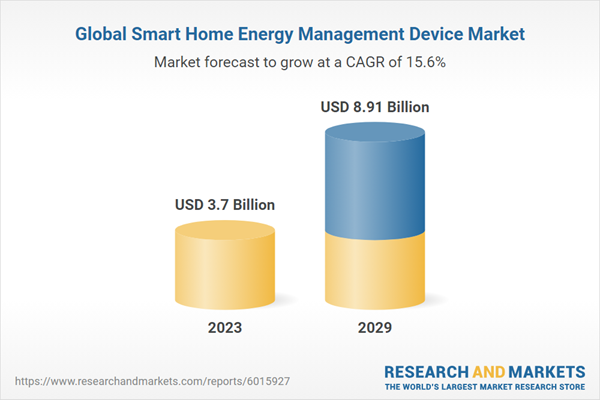
Smart Home Energy Management Devices: A Market Poised for Growth

The Global Smart Home Energy Management Device Market is on the brink of a significant transformation, driven by escalating demands for energy-efficient solutions and the increasing adoption of smart home technologies.