Revolutionizing Healthcare: AI Chatbots in Chronic Disease Diagnosis
In a groundbreaking development,
artificial intelligence has once again demonstrated its transformative potential, this time within the realm of healthcare. A recent study published in
Nature on July 25, 2024, unveils a cutting-edge chatbot named
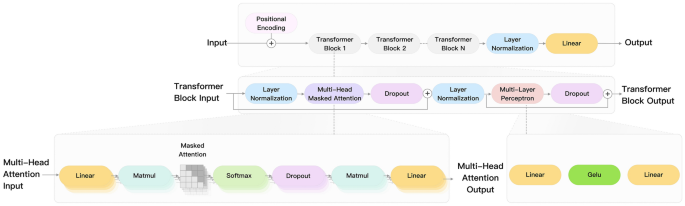
Chat Ella, designed to assist in the diagnosis of chronic diseases. This innovation leverages the power of large language models, specifically the GPT-2, to enhance patient care and streamline diagnostic processes.
The Rise of AI in Healthcare
With
telemedicine and
AI technologies gaining global traction, the healthcare sector is witnessing a paradigm shift.
Chronic diseases, which account for a significant portion of healthcare burdens, are now being addressed through innovative solutions like
Chat Ella. This chatbot employs advanced AI to interpret patient symptom descriptions, offering preliminary diagnostic insights that can be crucial, particularly in regions with limited medical resources.
Chat Ella: A Technological Marvel
Chat Ella is not just another chatbot; it’s a sophisticated system integrated with a comprehensive medical database. By utilizing the GPT-2 model, it provides a conversational interface that engages with patients, delving into symptom details and offering diagnostic recommendations. This development is a testament to the potential of AI in revolutionizing healthcare services by making them more accessible, efficient, and cost-effective.
Study Insights and Methodology
The study, conducted by researchers Sainan Zhang and Jisung Song, highlights the integration of large-trained language models in healthcare applications. By employing a rigorous methodology, the team has demonstrated how AI can significantly enhance the diagnostic process. The study’s findings suggest that
AI-driven tools like
Chat Ella could alleviate the unequal distribution of healthcare resources and reduce the burden on medical professionals.
Future Prospects and Enhancements
While
Chat Ella represents a significant leap forward, the study acknowledges certain limitations, such as the need for a more extensive dataset and support for multiple languages. The authors propose future updates to include voice input and image recognition features, further broadening the system’s capabilities and usability.
Conclusion
As AI continues to evolve, its integration into clinical workflows becomes increasingly vital.
Chat Ella exemplifies how AI can complement human decision-making in healthcare, improving patient experiences and reducing economic costs. This technology offers a promising avenue for patients seeking efficient and convenient diagnostic services, particularly those unable to access face-to-face consultations.
For more detailed insights, the original article can be accessed on
Nature’s website.