Revolutionizing Healthcare: AI Chatbots in Chronic Disease Diagnosis

In a groundbreaking development, artificial intelligence has once again demonstrated its transformative potential, this time within the realm of healthcare. A recent study published in Nature on July 25, 2024, unveils a cutting-edge chatbot named Chat Ella, designed to assist in the diagnosis of chronic diseases. This innovation leverages the power of large language models, specifically the GPT-2, to enhance patient care and streamline diagnostic processes.

The Rise of AI in Healthcare

With telemedicine and AI technologies gaining global traction, the healthcare sector is witnessing a paradigm shift. Chronic diseases, which account for a significant portion of healthcare burdens, are now being addressed through innovative solutions like Chat Ella. This chatbot employs advanced AI to interpret patient symptom descriptions, offering preliminary diagnostic insights that can be crucial, particularly in regions with limited medical resources.

Chat Ella: A Technological Marvel

Chat Ella is not just another chatbot; it’s a sophisticated system integrated with a comprehensive medical database. By utilizing the GPT-2 model, it provides a conversational interface that engages with patients, delving into symptom details and offering diagnostic recommendations. This development is a testament to the potential of AI in revolutionizing healthcare services by making them more accessible, efficient, and cost-effective.

Study Insights and Methodology

The study, conducted by researchers Sainan Zhang and Jisung Song, highlights the integration of large-trained language models in healthcare applications. By employing a rigorous methodology, the team has demonstrated how AI can significantly enhance the diagnostic process. The study’s findings suggest that AI-driven tools like Chat Ella could alleviate the unequal distribution of healthcare resources and reduce the burden on medical professionals.

Future Prospects and Enhancements

While Chat Ella represents a significant leap forward, the study acknowledges certain limitations, such as the need for a more extensive dataset and support for multiple languages. The authors propose future updates to include voice input and image recognition features, further broadening the system’s capabilities and usability.

Conclusion

As AI continues to evolve, its integration into clinical workflows becomes increasingly vital. Chat Ella exemplifies how AI can complement human decision-making in healthcare, improving patient experiences and reducing economic costs. This technology offers a promising avenue for patients seeking efficient and convenient diagnostic services, particularly those unable to access face-to-face consultations.
For more detailed insights, the original article can be accessed on Nature’s website.

More Articles

Getting licensed or staying ahead in your career can be a journey—but it doesn’t have to be overwhelming. Grab your favorite coffee or tea, take a moment to relax, and browse through our articles. Whether you’re just starting out or renewing your expertise, we’ve got tips, insights, and advice to keep you moving forward. Here’s to your success—one sip and one step at a time!

Is Florida’s Booming Real Estate Market Becoming Unaffordable?

Florida is facing a real estate crisis marked by skyrocketing insurance premiums, stringent FEMA rules, and a surge in hedge fund property acquisitions.

By |November 14, 2024|Categories: Article, Finance/Economy, Real Estate|Tags: , |0 Comments

Revolutionizing Cancer Therapy: The Promise of Patient-Derived Organoids

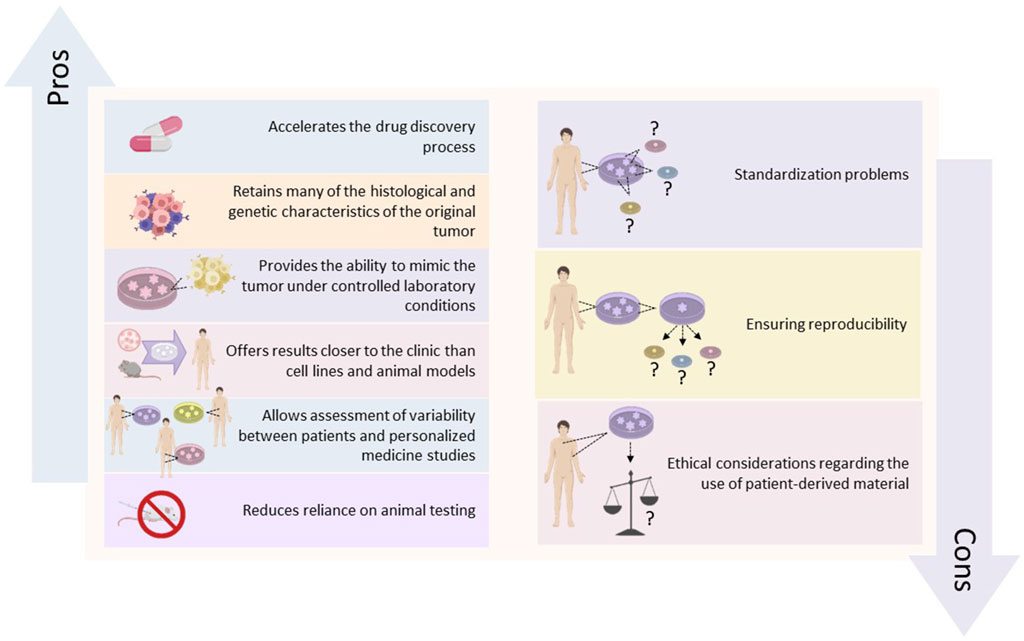
Patient-derived organoids offer an unprecedented opportunity to replicate the complex structure and genetic makeup of cancers, providing a more accurate model for clinical drug screening and pharmacognostic assessment.

The AI Revolution in Dermatology: A Systematic Review

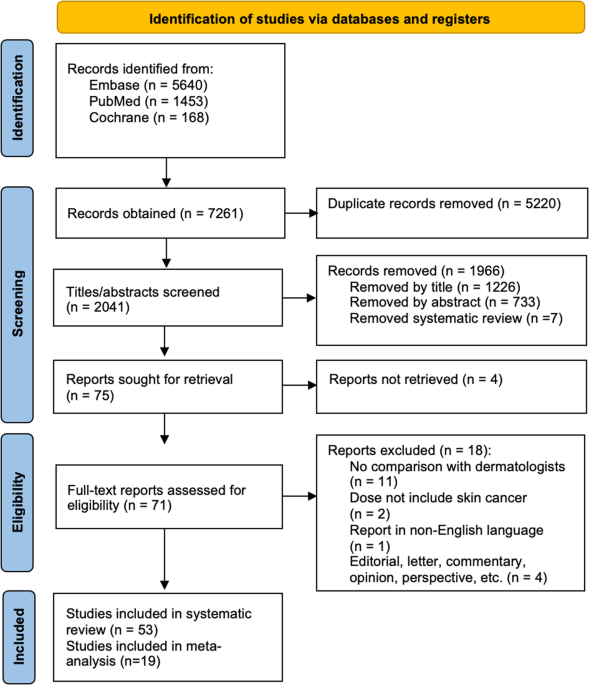
In a groundbreaking study published in Nature, researchers have delved into the burgeoning field of artificial intelligence (AI) in dermatology, specifically examining its role in diagnosing skin cancer. The study, titled "A Systematic Review and Meta-Analysis of Artificial Intelligence Versus Clinicians for Skin Cancer Diagnosis," offers a comprehensive look at how AI stacks up against human clinicians in this critical area of healthcare.

By |November 14, 2024|Categories: AI in Healthcare, Article, Dermatology|Tags: , |0 Comments

The Fast Lane to Fully Autonomous Vehicles: Industry Innovations and Future Prospects

The automotive world is abuzz with announcements from major players like Tesla, Rimac, Renault, and Nissan, each unveiling plans to introduce autonomous vehicles in the near future. Tesla's much-anticipated "CyberCab" is set for an October 2024 debut, while Rimac and Renault are gearing up for releases in 2026.

Futureproofing for Insurers: The Role of AI and Hyper-Personalization

In a rapidly evolving industry, insurance companies are turning to artificial intelligence (AI) and hyper-personalization to stay ahead of the curve.

Revolutionizing Healthcare: The Power and Potential of AI

AI technology offers a multitude of benefits, from enhancing patient outcomes to reducing healthcare costs and improving population health. Its application ranges from preventive screenings to complex diagnostic procedures, marking a new era in medical care.

By |November 13, 2024|Categories: Article, Artificial Intelligence, Healthcare|Tags: , |0 Comments