Revolutionizing Healthcare: AI Chatbots in Chronic Disease Diagnosis

In a groundbreaking development, artificial intelligence has once again demonstrated its transformative potential, this time within the realm of healthcare. A recent study published in Nature on July 25, 2024, unveils a cutting-edge chatbot named Chat Ella, designed to assist in the diagnosis of chronic diseases. This innovation leverages the power of large language models, specifically the GPT-2, to enhance patient care and streamline diagnostic processes.

The Rise of AI in Healthcare

With telemedicine and AI technologies gaining global traction, the healthcare sector is witnessing a paradigm shift. Chronic diseases, which account for a significant portion of healthcare burdens, are now being addressed through innovative solutions like Chat Ella. This chatbot employs advanced AI to interpret patient symptom descriptions, offering preliminary diagnostic insights that can be crucial, particularly in regions with limited medical resources.

Chat Ella: A Technological Marvel

Chat Ella is not just another chatbot; it’s a sophisticated system integrated with a comprehensive medical database. By utilizing the GPT-2 model, it provides a conversational interface that engages with patients, delving into symptom details and offering diagnostic recommendations. This development is a testament to the potential of AI in revolutionizing healthcare services by making them more accessible, efficient, and cost-effective.

Study Insights and Methodology

The study, conducted by researchers Sainan Zhang and Jisung Song, highlights the integration of large-trained language models in healthcare applications. By employing a rigorous methodology, the team has demonstrated how AI can significantly enhance the diagnostic process. The study’s findings suggest that AI-driven tools like Chat Ella could alleviate the unequal distribution of healthcare resources and reduce the burden on medical professionals.

Future Prospects and Enhancements

While Chat Ella represents a significant leap forward, the study acknowledges certain limitations, such as the need for a more extensive dataset and support for multiple languages. The authors propose future updates to include voice input and image recognition features, further broadening the system’s capabilities and usability.

Conclusion

As AI continues to evolve, its integration into clinical workflows becomes increasingly vital. Chat Ella exemplifies how AI can complement human decision-making in healthcare, improving patient experiences and reducing economic costs. This technology offers a promising avenue for patients seeking efficient and convenient diagnostic services, particularly those unable to access face-to-face consultations.
For more detailed insights, the original article can be accessed on Nature’s website.

More Articles

Getting licensed or staying ahead in your career can be a journey—but it doesn’t have to be overwhelming. Grab your favorite coffee or tea, take a moment to relax, and browse through our articles. Whether you’re just starting out or renewing your expertise, we’ve got tips, insights, and advice to keep you moving forward. Here’s to your success—one sip and one step at a time!

Judge Blocks Class Status in Major Commission Lawsuit, Shaking Up the Real Estate Industry

A federal judge has denied class‑certification in the high‑stakes Batton commission lawsuit, delivering a temporary win for NAR and major brokerages while leaving the door open for plaintiffs to try again. With as much as $3.6 billion in potential damages on the line and nearly 80% of the proposed class now disqualified due to conflicts with earlier settlements, the case stands at a pivotal moment. Real estate professionals nationwide — especially in Florida — should watch closely, as the ruling could shape the future of buyer‑agent compensation.

Florida Homeowners Hit Hard by Skyrocketing Insurance Rates as Lawmakers Race Toward Reform

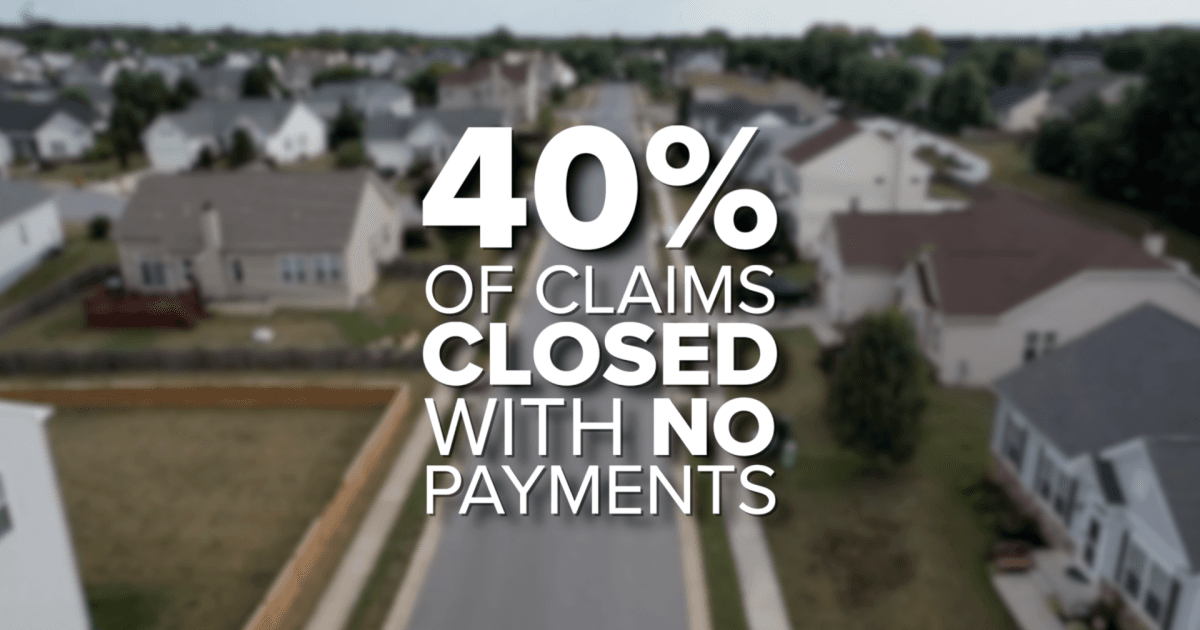
Florida homeowners are paying nearly double the national average for insurance, with premiums now reaching $5,838 a year and denied claims topping 40 percent. Residents report tripled rates, underpaid claims, and mounting financial strain, pushing lawmakers in Tallahassee to propose caps on rate hikes, tax breaks for storm‑proof upgrades, and tighter oversight of insurers. These developments are reshaping real estate and insurance conversations across the state as professionals brace for major industry shifts.

Inside Berkshire County’s Surging 2025 Real Estate Market: Q3 Deep Dive

Berkshire County closed Q3 2025 with strong momentum as sales, dollar volume, and buyer competition all climbed year‑over‑year. Inventory showed slight improvement but remains far below demand, keeping the market tilted toward sellers. Single‑family homes and condos led the surge, while multifamily, land, and commercial sectors showed mixed performance. The region continues to stand out as one of New England’s most resilient real estate markets heading into 2026.

Florida Homeowners Are Reaching a Breaking Point as Insurance Costs Skyrocket

Florida homeowners now face the highest insurance burdens in the nation, with average premiums topping $5,800 per year—roughly $3,000 above the national average. As rates triple for some residents, more Floridians are skipping coverage altogether, while denied claims and slow payouts add to the frustration. With over 40 percent of claims closing with no payment and lawmakers battling over reform in Tallahassee, the crisis is reshaping budgets, homebuying decisions, and the real estate industry statewide.

How Global Investors Are Rewriting the Real Estate Playbook for 2026

Global capital is surging back into real estate—and this time, investors want more control. Colliers’ 2026 Global Investor Outlook reveals a major shift toward direct investments, joint ventures, and hands‑on strategies as money moves across North America, Europe, and the booming Asia‑Pacific markets. Data centers are now the top‑funded asset class, offices are staging a comeback, and adaptive reuse is reshaping cities worldwide. For real estate and finance professionals, the message is clear: opportunity is accelerating, and those with the right education and licensing will be at the center of the action.

Why Lower Interest Rates Still Aren’t Saving Commercial Real Estate

The Fed’s recent rate cuts should have offered relief to commercial real estate—but long-term borrowing costs haven’t budged. While short‑term rates are falling, stubborn long‑term yields, broken deal math, and a trillion‑dollar refinancing wave are keeping the market frozen. For investors and professionals across Florida and the nation, understanding this disconnect is key to navigating the opportunities and risks emerging in today’s shifting CRE landscape.