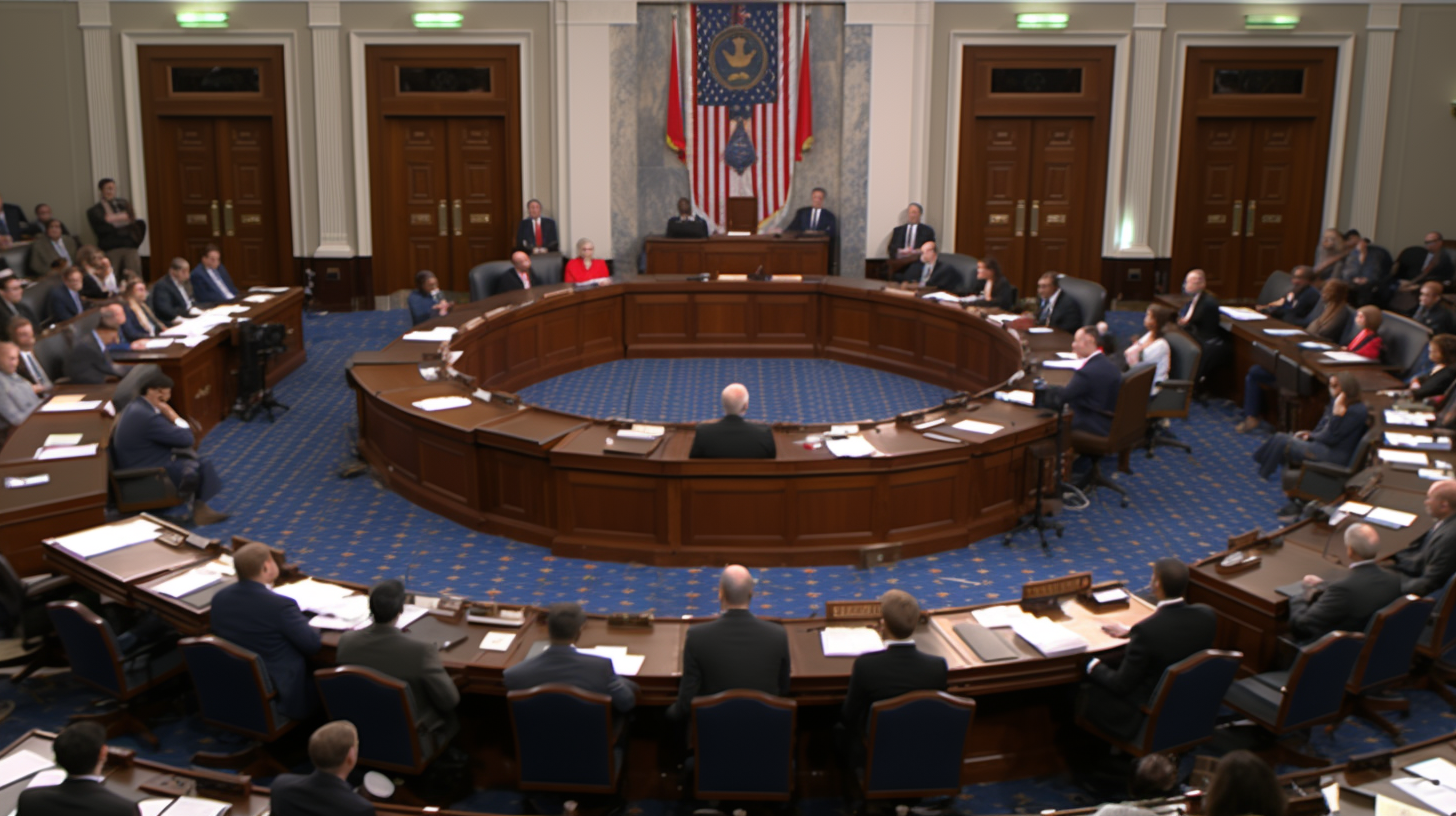
In a move that has sparked widespread controversy, the State Bar of California has admitted to using artificial intelligence to develop some of the multiple-choice questions for its February bar exam. This revelation comes nearly two months after hundreds of aspiring lawyers reported technical difficulties and irregularities during the exam.


The State Bar’s decision to employ AI in question development has been met with fierce criticism from legal educators and professionals. Mary Basick, assistant dean of academic skills at UC Irvine Law School, expressed her disbelief, stating that having questions drafted by non-lawyers using AI was “just unbelievable.” Basick’s concerns echo those of other legal experts who argue that this represents an “obvious conflict of interest” given that the same psychometricians involved in drafting the questions were also tasked with validating their reliability.


According to the original article by the Los Angeles Times, the State Bar plans to request the California Supreme Court to adjust the test scores for the affected exam. However, the Bar has downplayed the significance of the AI-developed questions, maintaining confidence in their ability to accurately assess the legal competence of test-takers.


Leah Wilson, the State Bar’s executive director, stated that the majority of the questions were developed by Kaplan Exam Services, with only a small subset created with AI assistance. Despite this, the admission has fueled calls for transparency and accountability, with some experts suggesting a return to the traditional in-person exam format.


For more details on the chaotic rollout of the new California Bar Exam, you can read the full story here. The controversy continues to unfold as the legal community grapples with the implications of integrating AI into critical professional assessments.


More Articles

Getting licensed or staying ahead in your career can be a journey—but it doesn’t have to be overwhelming. Grab your favorite coffee or tea, take a moment to relax, and browse through our articles. Whether you’re just starting out or renewing your expertise, we’ve got tips, insights, and advice to keep you moving forward. Here’s to your success—one sip and one step at a time!

New Policy by REBNY Mandates Direct Payment to Buyer’s Agent

The Real Estate Board of New York (REBNY) has announced a new policy requiring sellers to directly pay the buyer's agent, effective from January 1. This significant shift aims to enhance transparency and address potential conflicts of interest in real estate transactions. The policy comes amidst ongoing lawsuits related to commission sharing and allegations of unethical practices. The implementation of this policy is expected to impact the real estate industry significantly, with sellers needing to factor in the cost of the buyer's agent commission when pricing their properties.

By |October 27, 2023|Categories: Real Estate Policy|Tags: |0 Comments

Senate Decision Sparks Controversy Over Small Business Lending

In a significant development, the U.S. Senate has voted to block the implementation of the Consumer Financial Protection Bureau's (CFPB) small business lending rule. This decision has sparked a heated debate over the impact it may have on small businesses across the country. President Biden, in response, has threatened to veto the Senate's decision, emphasizing his commitment to fair lending practices and supporting small businesses. The CFPB's rule, implemented in October 2020, requires lenders to collect and report data on small business lending. This includes information on the race, sex, and ethnicity of borrowers, with the aim of identifying and addressing potential disparities in access to credit for minority-owned and women-owned small businesses. The Senate's decision to block the CFPB's rule has been celebrated by small business advocates and industry groups critical of the CFPB's regulatory approach. However, the implications of this decision remain uncertain, as President Biden's threatened veto looms large.

By |October 26, 2023|Categories: Small Business Lending|Tags: |0 Comments

Assessing the Merits of Class-Action Commission Lawsuits

The world of real estate has recently been shaken by a wave of class-action commission lawsuits, sparking a contentious debate. These lawsuits demand scrutiny to understand their implications and validity. A primary counter-argument is the freedom of consumer choice. In today's digital age, potential buyers and sellers have access to a wealth of online resources, enabling them to undertake real estate transactions independently. Another critical factor is the negotiability of commissions in the real estate sector. Commission rates are not fixed, they are subject to negotiation between the agent and the client. This flexibility allows for open discussions, leading to mutually agreeable terms. Despite the emergence of discount brokerage firms, consumers continue to place their trust in traditional real estate agents. This preference stems not only from cost considerations but also from the value of expertise, guidance, and personalized service that agents offer. Real estate transactions are complex and often involve significant financial investments. Trusted agents provide invaluable insights, market knowledge, and negotiation skills, helping clients make informed decisions and navigate potential challenges confidently.

Understanding the Current Housing Market: The Affordability of the Typical US Home

In the last two years, the housing market has seen a dramatic shift. Soaring mortgage rates and rising home prices have led to the fastest erosion in housing market affordability in modern history, with first-time homebuyers feeling the impact the most. The housing market has undergone significant changes over the past two years, leading to a substantial increase in the income required to purchase a median-priced home. According to recent data from Redfin, a homebuyer must now earn $114,627 to afford the typical U.S. home. This is a 15% increase from the previous year and more than 50% higher than pre-pandemic levels.

Unwavering New Listings Data Amid 8% Mortgage Rates

The housing market has shown remarkable resilience in the face of rising mortgage rates. Despite rates reaching 8%, new listings data remains steady, indicating a healthy supply of homes for sale. This stability is a positive sign for both buyers and sellers, demonstrating the strength of the housing market. Despite the increase in mortgage rates, sellers in the housing market have maintained their confidence. This confidence is reflected in the steady new listing data, as sellers continue to list their properties without hesitation. It indicates that sellers believe there is still strong demand from buyers and that the potential financial impact of higher mortgage rates does not outweigh the benefits of selling their homes.

Revolution in the Real Estate Industry: New Requirement for Sellers to Compensate Buyers’ Agents

The Real Estate Board of New York (REBNY) has introduced a groundbreaking requirement for sellers to directly compensate buyers' agents. This significant change has the potential to transform the real estate industry, eliminating conflicts of interest and promoting a more client-centric approach. This shift in the compensation landscape aims to create a more transparent and trustworthy environment for buyers. Moreover, this shift towards a client-centric approach aligns with the mission and values of Cameron Academy. As a leading provider of real estate education, Cameron Academy is committed to empowering professionals to navigate the evolving industry landscape and prioritize the best interests of their clients.

By |October 25, 2023|Categories: Real Estate Industry|Tags: |0 Comments