AI Is Forcing Real Estate to Finally Fix Its Data Problem
Artificial intelligence is transforming nearly every major industry, but in real estate, it’s exposing a long‑ignored issue: the data powering the business is fragmented, inconsistent, and scattered across disconnected systems. While industries like finance and e‑commerce invested early in standardized and interoperable data ecosystems, real estate has functioned using a chaotic mix of formats and definitions that vary wildly from company to company—and even from property to property.
AI doesn’t just need data. It needs structured, clearly defined, consistently labeled data. And this is where the industry is finally being pushed to evolve.
The Hidden Problem AI Has Dragged Into the Spotlight
Real estate generates enormous volumes of information: leases, work orders, rent rolls, valuations, operating statements, market research, and government records. The obstacle isn’t scarcity—it’s inconsistency. One landlord’s lease abstract may look nothing like another’s. County recorders publish documents using formats that don’t match neighboring jurisdictions. Brokers rely on unique internal databases. Tech platforms create proprietary systems that can’t communicate with others.
The result? AI models choke on incompatible inputs. Before any company can unlock AI’s potential, they must clean, map, and normalize data—an expensive, tedious, and ongoing process.
A Push Toward Shared Standards
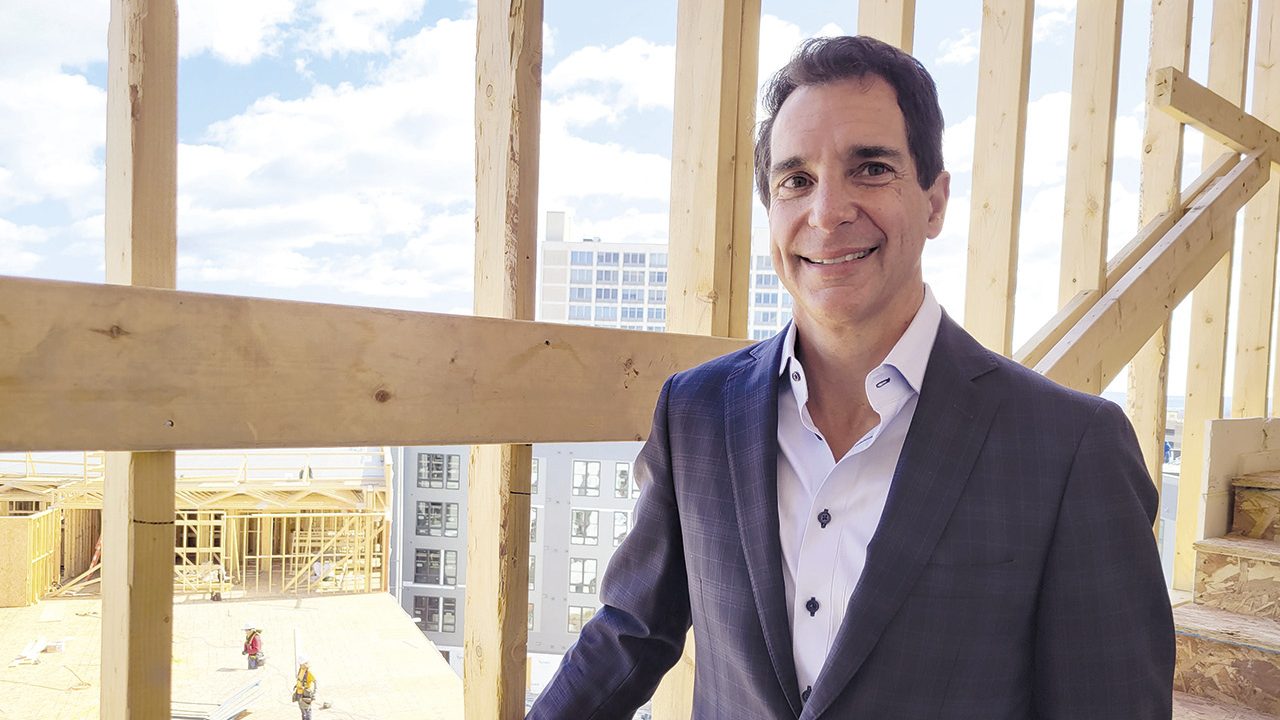
Richard Reyes, CEO and Executive Director of OSCRE—a global consortium shaping real estate data standards—notes that AI is forcing the industry to confront problems it has ignored for decades. “You need an ontology to make it easier for people to get information and integrate it with AI. You need a shared learning model and shared data,” he explains.
An ontology defines not just field names, but relationships: buildings connect to leases, which connect to tenants, which connect to financial obligations. Without standardized relationships, AI can’t process these connections at scale.
Historically, companies viewed proprietary data as a competitive edge. That mindset is rapidly fading. Data silos no longer create advantages—they weaken the ability to train powerful AI systems.
Why Real Estate Firms Are Now Collaborating
AI‑driven underwriting needs standardized financials. Predictive maintenance requires consistent work‑order labels. Portfolio models need comparable data across markets. When one company uses “base rent” and another uses “net rent,” integrations become headaches.
Today, firms spend heavily on custom integrations linking accounting software, property management tools, leasing systems, CRMs, and reporting platforms. Every update breaks something.
Shared industry data standards could eliminate this cycle entirely.
The “Smart Data Highway” Vision
OSCRE is developing an evolving Industry Data Model—essentially a “smart data highway.” It shifts real estate from static definitions to intelligent, contextual interoperability.
Imagine software that instantly understands terms like CAM charges, capital expenses, lease expirations, or rent—no matter which company or platform produced them. Instead of messy middleware or manual reconciliation, AI could operate seamlessly.
The benefits ripple across the industry:
Lower integration costs
Faster adoption of new technology
Cleaner and more comparable datasets
More accurate AI‑driven predictions
Stronger benchmarking across portfolios
AI Isn’t Just Changing Companies—It’s Changing the Industry
AI’s most profound impact may not be underwriting automation or smart‑building optimization, but the industry’s newfound willingness to collaborate. Shared standards unlock innovation far beyond what isolated datasets can achieve.
Vendors can build universal solutions. Brokers get cleaner market data. Owners gain richer asset insights. Most importantly, AI systems finally receive the consistent inputs required to deliver reliable results.
What This Means for Today’s Professionals
Professionals across commercial, residential, investment, and property management sectors will increasingly need to understand data systems and AI‑powered workflows to stay competitive.
This is why educational institutions like Cameron Academy are so essential. As real estate evolves toward smarter, cleaner, interconnected data, those trained in modern standards and technology will have a tremendous advantage.
To explore forward‑thinking courses that prepare you for the next decade of real estate, technology, and professional licensing, visit Cameron Academy.
Getting licensed or staying ahead in your career can be a journey—but it doesn’t have to be overwhelming. Grab your favorite coffee or tea, take a moment to relax, and browse through our articles. Whether you’re just starting out or renewing your expertise, we’ve got tips, insights, and advice to keep you moving forward. Here’s to your success—one sip and one step at a time!
November marked another cooldown for commercial real estate, with total deal volume dropping 10% year over year and falling below even 2020’s levels. While overall activity is slowing, investors are concentrating their money on bigger, more resilient assets—driving a 51% surge in deals over $100 million and pushing average transaction sizes well above historical norms. Multifamily remains the strongest sector, office deals are becoming more strategically focused, and medical office and data centers continue to outperform as long‑term demand stays solid.
After years of stalled activity, commercial real estate may finally be nearing a rebound. Experts say that expected interest‑rate drops in 2026 could reignite investor confidence, unlock sidelined capital, and boost deal flow across multiple sectors. But the outlook isn’t uniformly sunny—multifamily faces oversupply, industrial is cooling after years of rapid growth, and weakening employment conditions may slow absorption. For professionals across real estate, mortgage, insurance, and finance, the shifting landscape presents both challenges and major opportunities for those who stay informed and properly licensed.
Consumer Reports delivered a major warning to Congress, highlighting how rapidly expanding fintech tools—especially AI‑driven platforms—are outpacing consumer protections. In testimony before the House Subcommittee on Digital Assets, Financial Technology and AI, CR called for stronger, clearer rules to prevent hidden fees, predatory practices, and confusion within digital financial products. For professionals in real estate, mortgages, insurance, and finance, these emerging regulations may soon influence lending decisions, underwriting, credit evaluations, and compliance expectations across the industry.
Amazon is preparing to cut up to 30,000 corporate jobs by mid‑2026 as it pivots aggressively toward automation and AI. Following 14,000 layoffs in late 2025, the company is eliminating layers of management to redirect billions into robotics, generative AI systems, and supercomputing partnerships. While warehouse hiring continues for seasonal demand, Amazon’s internal shift reveals a broader nationwide trend: white‑collar roles across tech, finance, logistics, and more are being reshaped by automation at unprecedented speed.
Florida’s real estate market enters 2026 with new leadership at the helm as Chuck Bonfiglio, broker-owner of AAA Realty Group, is officially installed as President of Florida Realtors. With more than 230,000 members behind the association, Bonfiglio highlights affordability, insurance reform, and taxes as key priorities while expressing optimism about easing mortgage rates, stabilizing prices, and growing inventory. Backed by years of statewide and national Realtor leadership, he aims to guide professionals through another transformative year alongside a newly appointed 2026 leadership team.
Tampa isn’t cooling off—it’s getting smarter. After years of rapid expansion, the city’s commercial real estate market has shifted into a more disciplined, selective phase. Population growth remains strong, office leasing is outperforming national trends, industrial activity is normalizing sustainably, and retail is seeing renewed investor confidence. With capital becoming more cautious and health care real estate emerging as a major growth sector, Tampa is entering a new era focused on strategy, execution, and long‑term fundamentals.