AI Is Forcing Real Estate to Finally Fix Its Data Problem
Artificial intelligence is transforming nearly every major industry, but in real estate, it’s exposing a long‑ignored issue: the data powering the business is fragmented, inconsistent, and scattered across disconnected systems. While industries like finance and e‑commerce invested early in standardized and interoperable data ecosystems, real estate has functioned using a chaotic mix of formats and definitions that vary wildly from company to company—and even from property to property.
AI doesn’t just need data. It needs structured, clearly defined, consistently labeled data. And this is where the industry is finally being pushed to evolve.
The Hidden Problem AI Has Dragged Into the Spotlight
Real estate generates enormous volumes of information: leases, work orders, rent rolls, valuations, operating statements, market research, and government records. The obstacle isn’t scarcity—it’s inconsistency. One landlord’s lease abstract may look nothing like another’s. County recorders publish documents using formats that don’t match neighboring jurisdictions. Brokers rely on unique internal databases. Tech platforms create proprietary systems that can’t communicate with others.
The result? AI models choke on incompatible inputs. Before any company can unlock AI’s potential, they must clean, map, and normalize data—an expensive, tedious, and ongoing process.
A Push Toward Shared Standards
Richard Reyes, CEO and Executive Director of OSCRE—a global consortium shaping real estate data standards—notes that AI is forcing the industry to confront problems it has ignored for decades. “You need an ontology to make it easier for people to get information and integrate it with AI. You need a shared learning model and shared data,” he explains.
An ontology defines not just field names, but relationships: buildings connect to leases, which connect to tenants, which connect to financial obligations. Without standardized relationships, AI can’t process these connections at scale.
Historically, companies viewed proprietary data as a competitive edge. That mindset is rapidly fading. Data silos no longer create advantages—they weaken the ability to train powerful AI systems.
Why Real Estate Firms Are Now Collaborating
AI‑driven underwriting needs standardized financials. Predictive maintenance requires consistent work‑order labels. Portfolio models need comparable data across markets. When one company uses “base rent” and another uses “net rent,” integrations become headaches.
Today, firms spend heavily on custom integrations linking accounting software, property management tools, leasing systems, CRMs, and reporting platforms. Every update breaks something.
Shared industry data standards could eliminate this cycle entirely.
The “Smart Data Highway” Vision
OSCRE is developing an evolving Industry Data Model—essentially a “smart data highway.” It shifts real estate from static definitions to intelligent, contextual interoperability.
Imagine software that instantly understands terms like CAM charges, capital expenses, lease expirations, or rent—no matter which company or platform produced them. Instead of messy middleware or manual reconciliation, AI could operate seamlessly.
The benefits ripple across the industry:
Lower integration costs
Faster adoption of new technology
Cleaner and more comparable datasets
More accurate AI‑driven predictions
Stronger benchmarking across portfolios
AI Isn’t Just Changing Companies—It’s Changing the Industry
AI’s most profound impact may not be underwriting automation or smart‑building optimization, but the industry’s newfound willingness to collaborate. Shared standards unlock innovation far beyond what isolated datasets can achieve.
Vendors can build universal solutions. Brokers get cleaner market data. Owners gain richer asset insights. Most importantly, AI systems finally receive the consistent inputs required to deliver reliable results.
What This Means for Today’s Professionals
Professionals across commercial, residential, investment, and property management sectors will increasingly need to understand data systems and AI‑powered workflows to stay competitive.
This is why educational institutions like Cameron Academy are so essential. As real estate evolves toward smarter, cleaner, interconnected data, those trained in modern standards and technology will have a tremendous advantage.
To explore forward‑thinking courses that prepare you for the next decade of real estate, technology, and professional licensing, visit Cameron Academy.
Getting licensed or staying ahead in your career can be a journey—but it doesn’t have to be overwhelming. Grab your favorite coffee or tea, take a moment to relax, and browse through our articles. Whether you’re just starting out or renewing your expertise, we’ve got tips, insights, and advice to keep you moving forward. Here’s to your success—one sip and one step at a time!
Just 48 hours after NAR unveiled major revisions to its MLS policies, plaintiffs in the Michigan-based Hardy lawsuit moved to use those changes as evidence, arguing they prove NAR’s prior rules were anticompetitive. NAR denies any wrongdoing, but the case is quickly becoming a key test for whether MLS access should require Realtor membership — a question now echoing across multiple states and potentially reshaping how real estate professionals nationwide access the industry’s most essential tool.
Florida homeowners are now paying some of the highest insurance premiums in the country, with average costs topping $5,800 per year—nearly double the national average. Residents report skyrocketing rates, denied claims, and tough choices between costly coverage and financial risk. As frustration grows, lawmakers and consumer advocates are pushing new reforms aimed at increasing transparency, capping rate hikes, and protecting policyholders in one of the nation’s most volatile insurance markets.
Economic uncertainty, rapid AI adoption, tighter capital flows, and rising portfolio risk are reshaping the 2026 commercial real estate landscape. From shifting workforce patterns to a national housing attainability crisis, the industry is entering a data‑driven, fundamentals‑focused era—making adaptability, education, and tech literacy essential for real estate professionals.
Mortgage rates have climbed to 6.23 percent as investors grow doubtful that the Federal Reserve will deliver a rate cut in December. A soft but unclear jobs report and persistent inflation have pushed borrowing costs higher, reversing October’s brief relief in the housing market. Real estate and mortgage professionals should prepare clients for continued volatility as the Fed’s December meeting approaches.
After years of tight inventory, high mortgage rates, and sluggish sales, economists say 2026 is shaping up to be the turnaround real estate professionals have been waiting for. NAR projects a 14 percent jump in home sales, mortgage rates easing toward 6 percent, and buyer demand finally gaining momentum. While higher‑end homes are moving quickly, first‑time buyers continue to face affordability challenges, and price reductions are reappearing as sellers adjust to shifting conditions. For Florida agents, brokers, and newcomers, the stage is being set for a busy and opportunity‑rich year.
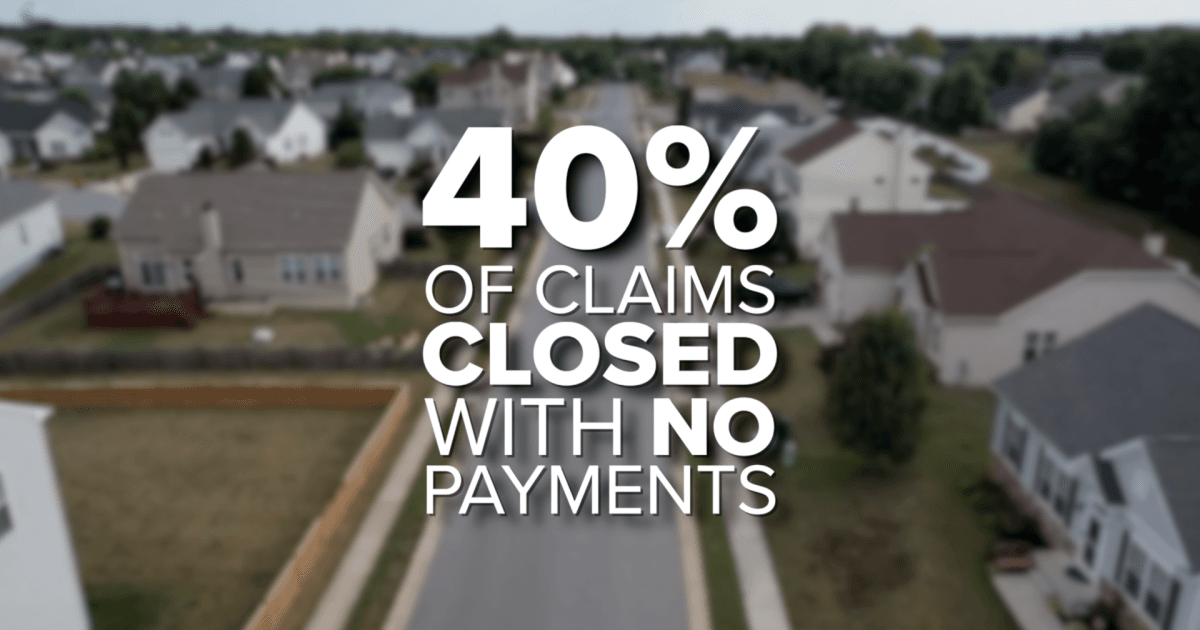
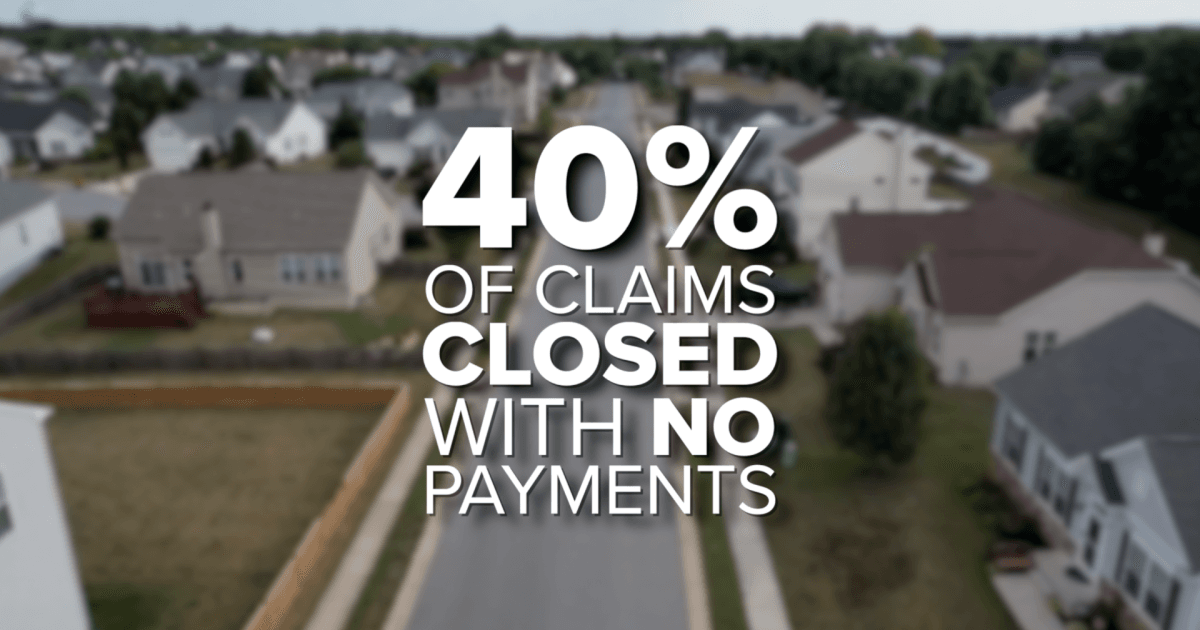
Florida’s average homeowner insurance premium has soared to $5,838 a year—almost $3,000 above the national average—pushing many residents to the financial brink. From tripled premiums to lowball claim payouts, homeowners are speaking out as frustration mounts. Some are even dropping coverage entirely. With more than 40% of claims closed without payment and policy cancellations at record levels, lawmakers are pushing for reforms, but political hurdles remain. The outcome could reshape Florida real estate, insurance, and mortgage markets for years to come.